
Major Metldown
Nick Fuentes Vows to Destroy MAGA After Thomas Massie's Primary Loss | STRONG LANGUAGE
•news-world•7


U.S. Representative from Kentucky known for his libertarian-conservative principles, constitutional advocacy, and independent voting record in Congress
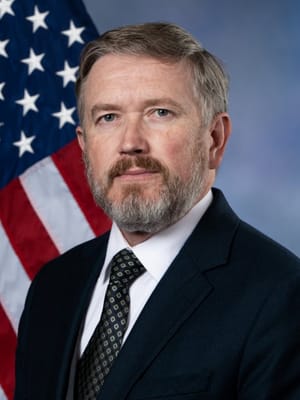
Thomas Massie is a Republican U.S. Representative serving Kentucky's 4th Congressional District since 2012. Born in 1971, Massie is married to Rhonda Massie and has four children. The family resides on a cattle farm in Garrison, Kentucky, where they live off-grid using solar power and other sustainable technologies. Before entering politics, Massie was a successful entrepreneur and inventor who founded SensAble Technologies, a company specializing in haptic technology, and earned both bachelor's and master's degrees in Electrical Engineering and Mechanical Engineering from MIT.
Throughout his congressional career, Massie has established himself as one of the most libertarian-leaning members of the Republican caucus, frequently voting against party leadership on matters of government spending, foreign intervention, and civil liberties. He is known for his strict interpretation of the U.S. Constitution and his willingness to cast lone dissenting votes on legislation he believes exceeds constitutional authority or expands federal power. His voting record reflects consistent opposition to omnibus spending bills, foreign aid packages, and what he considers unnecessary military interventions abroad.
Massie serves on several key House committees, including the Judiciary Committee and the Oversight and Accountability Committee, where he has been vocal on issues ranging from government surveillance to agricultural policy. His background in engineering and technology informs his approach to policy, particularly on issues related to innovation, patents, and regulatory reform. He has been a strong advocate for right-to-repair legislation and has challenged corporate monopolies in the technology and agricultural sectors.
As a farmer and advocate for agricultural independence, Massie has championed legislation to reform food safety regulations that he argues disproportionately burden small farmers and local food producers. He introduced the PRIME Act, which would allow custom slaughterhouses to sell meat directly to consumers and restaurants, addressing what he sees as overregulation in the meat processing industry. His agricultural advocacy extends to defending raw milk sales and opposing federal restrictions on small-scale farming operations.
Massie's independent stance has occasionally put him at odds with Republican leadership and even former President Donald Trump, who once called for his removal from the party after Massie demanded a recorded vote on a coronavirus relief package in 2020. Despite such controversies, Massie has maintained strong support in his district, consistently winning reelection by substantial margins. His constituents appreciate his accessibility, town hall meetings, and commitment to transparency in government operations.
On foreign policy, Massie is a non-interventionist who opposes most U.S. military engagements abroad and questions foreign aid expenditures. He has voted against military authorizations and defense spending increases that he believes lack proper congressional oversight or constitutional justification. This position aligns him with a growing faction within the Republican Party that questions America's role as global policeman and advocates for a more restrained foreign policy focused on national defense rather than nation-building.
Massie's influence extends beyond his legislative votes to his active presence on social media, where he engages directly with constituents and critics alike, often explaining his positions in detail and challenging conventional political narratives. His combination of technical expertise, principled conservatism, and willingness to break with party orthodoxy has made him a distinctive voice in contemporary American politics, representing a libertarian-conservative perspective that prioritizes individual liberty, limited government, and constitutional fidelity.
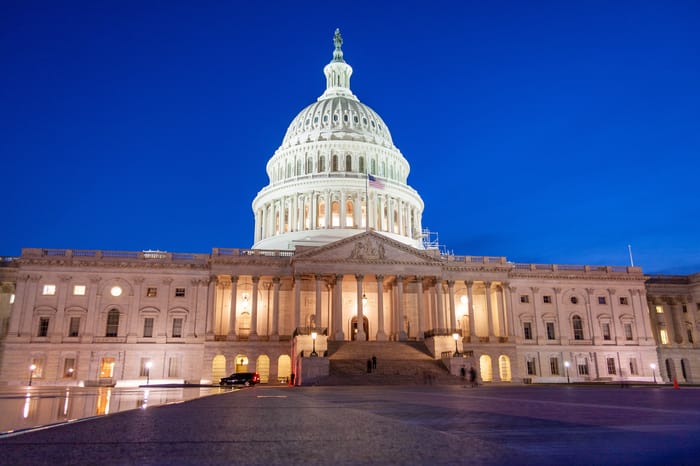
Congress voted to end the Iran war, but Trump can veto it and the White House says it's unconstitutional anyway. Here's what the vote actually does, and why it still matters.
Major Metldown
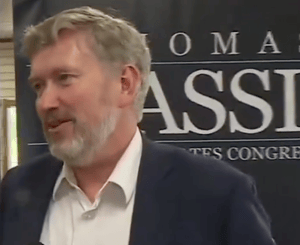
Thomas Massie Loses
Sour grapes

Bongino unloads on Massie