Diplomatic Firestorm

Francesca Albanese Gives Germany Bizarre Advice

Francesca Albanese claims German support for Israel masks 'untreated superiority syndrome' • Suggests Berlin uses Holocaust memory as 'convenient mask' for acceptance | Controversial post sparks outrage (Antisemitism)

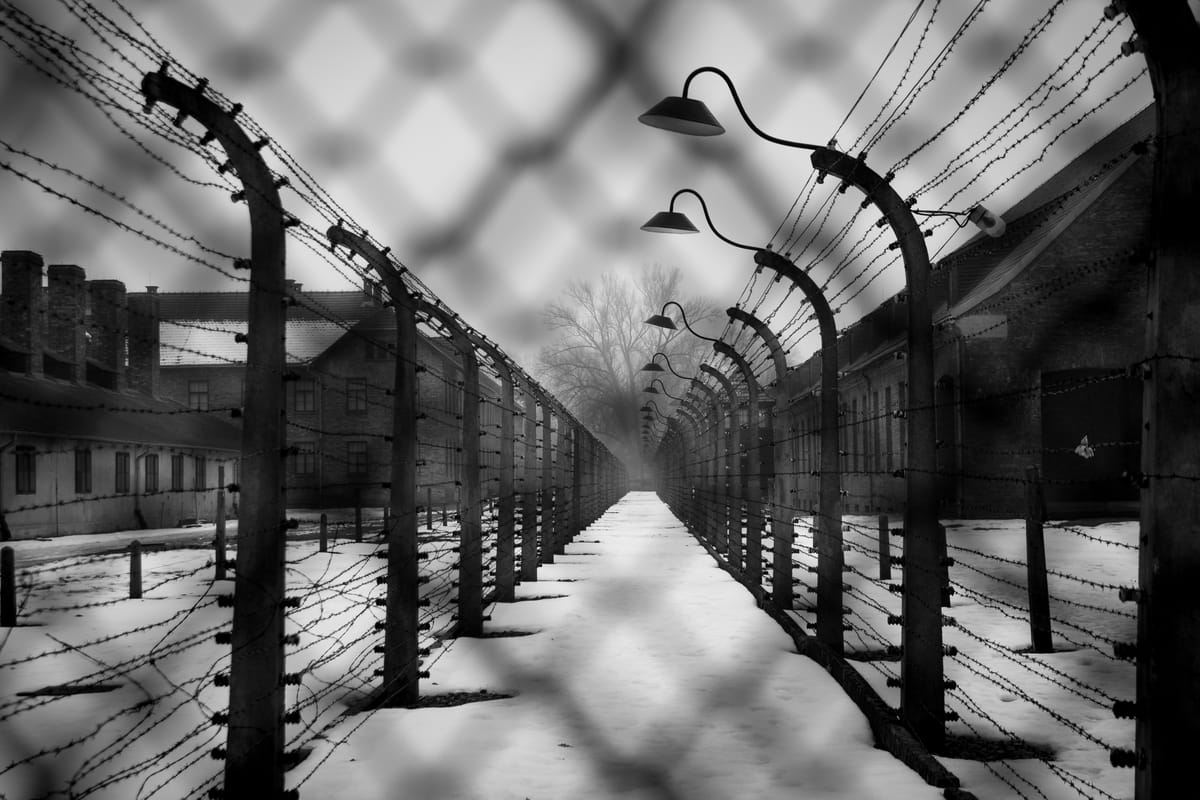
Auschwitz - Birkenau main concentration camp for jews during holocaust, barbed wire and fence in winter foggy weather, Poland
Auschwitz - Birkenau main concentration camp for jews during holocaust, barbed wire and fence in winter foggy weather, Poland (Photo: Shutterstock )

Francesca Albanese, the United Nations Special Rapporteur on Palestinian territories, has ignited a diplomatic firestorm with a Facebook post suggesting that Germany should abandon what she termed its 'historical guilt' over the Holocaust and reconsider its support for Israel.

In the post, Albanese argued that Germany's enduring sense of responsibility for the Nazi genocide of six million Jews has been mischaracterized. "Perhaps we should stop calling what affects Germany 'historical guilt,'" she wrote. "It is simply a historical superiority syndrome that was never properly diagnosed, never treated, never healed." The UN official suggested that many Germans have merely created the appearance of overcoming their Nazi past by supporting Israel, which she dismissed as "primarily a convenient mask to be accepted among their peers."

Albanese's remarks took a darker turn as she elaborated on her theory. "The Western club accepted them because they proved themselves capable of tolerating certain members of the group that were previously 'undesirable,' and so they accepted the Jews, but not all of them," she stated. She specifically targeted those Jews who, in her view, "learned that to survive in this world they must be superior. No longer a fragile minority. No longer a people in exile. No longer the people of the book. But the chosen people. 'Chosen to rule?' one might wonder when looking at what Israel has become."

The UN envoy concluded her post with what she framed as a call to action: "But Israel does not represent all Jews. And therefore Germany does not honor all Jews. See how Germany treats anti-Zionist Jews and you will understand what is happening... I know Germans can do better, I have seen them. But they are called to free themselves. This is their opportunity."

Pattern of Controversial Statements

This latest controversy adds to Albanese's growing record of inflammatory remarks about Israel and the Jewish state's supporters. In February, she declared at an Al Jazeera conference in Qatar that Israel represents "the common enemy of humanity," a statement that prompted sharp rebukes from senior officials across multiple European nations. Her rhetoric has consistently pushed boundaries that many observers consider antisemitic, particularly in her conflation of Israeli policy with Jewish identity more broadly.

The timing of Albanese's post is particularly significant given Germany's complex relationship with both its historical responsibility and contemporary Middle East policy. Berlin has maintained strong support for Israel's security while also providing substantial humanitarian aid to Palestinian territories. German officials have repeatedly emphasized that support for Israel's right to exist stems from lessons learned from the Holocaust, making Albanese's characterization of this stance as a "superiority syndrome" especially provocative.

International Backlash and Institutional Response

Albanese's tenure as UN Special Rapporteur has been marked by escalating tensions with Western governments. Earlier this year, US Secretary of State Marco Rubio announced sanctions against her, citing what he described as a pattern of antisemitic statements and justification of violence against civilians. The move represented an unprecedented step by Washington against a UN official and reflected growing frustration with her rhetoric among Israel's allies.

In a related development, Georgetown University recently severed its affiliation with Albanese, removing her from its list of scholars at the Institute for the Study of International Migration. The decision came after sustained pressure from watchdog organizations, including UN Watch, which has documented what it characterizes as her antisemitic statements and advocacy positions that contradict her mandate's supposed neutrality.

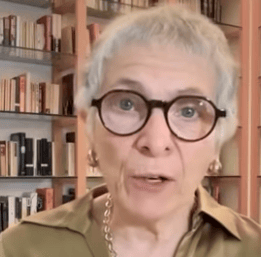
British journalist Melanie Phillips, who has been a vocal critic of UN bias against Israel, previously characterized the organization as "the crucible of global evil" in a widely-viewed interview. Phillips argued that the UN's Human Rights Council, where Albanese holds her position, is dominated by authoritarian regimes that use their platforms to target democratic nations, particularly Israel. Her assessment appears to resonate with growing skepticism about the UN's role in Middle East affairs among Western observers.

Melanie Phillips
Melanie Phillips (Photo: Screenshot from X / Twitter)
Ready for more?

Join our newsletter to receive updates on new articles and exclusive content.

We respect your privacy and will never share your information.