A viral campaign calling for a boycott of Apple's iPhone 17e has spread across social media platforms in recent weeks, with pro-Palestinian activists claiming the device contains chips "made in Israel" and drawing a comparison to the pager and radio devices used in the 2024 attack on Hezbollah members in Lebanon. Some posts urged followers to avoid the phone entirely, warning it could be used to "spy on" or physically harm activists.
Ridiculous claim
Anti-Israel Activists Call to Boycott iPhone 17e Over "Israeli Chips" and Hezbollah Pager Fears
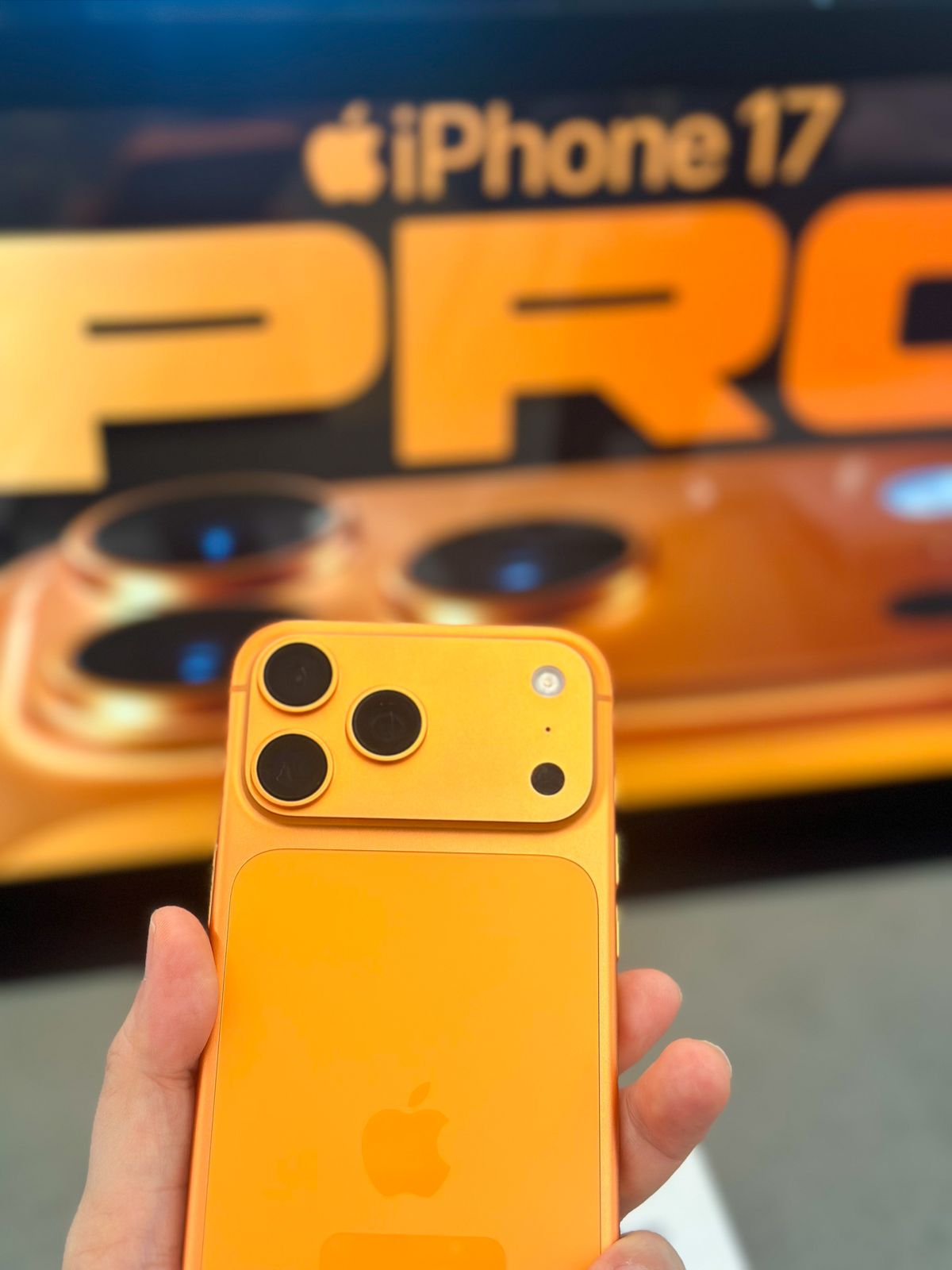
Is the iPhone 17 actually made in Israel? Inside the viral boycott claims, the secret role of Apple’s Israeli tech teams, and the wild truth behind those "exploding phone" rumors.
What's true
Apple maintains significant engineering and R&D operations in Israel. Its Israeli teams contributed to the design of the C1X cellular modem and N1 wireless chip, both found in the iPhone 17 series, including the 17e. Apple also acquired Israeli AI startup Q.ai in January 2026 for approximately $2 billion. In April 2026, Apple promoted Johny Srouji, who oversees teams in Israel, to Chief Hardware Officer.
What's false or exaggerated
Not supported by evidence
No government deal: Multiple fact-checkers, including Fact Crescendo and Roya News, found no evidence of any state-level or government-to-government agreement between Apple and Israel to manufacture chips. The viral "signed a deal with Israel" framing is unsupported.
Not manufactured in Israel: The iPhone 17e's main A19 chip is fabricated entirely by TSMC in Taiwan, not in Israel. Apple's Israeli contribution is design and engineering, not physical chip production.
"iPhone 17s" does not exist: Many posts refer to an "iPhone 17s." Apple's lineup is the iPhone 17, 17 Air, 17 Pro, 17 Pro Max, and 17e. Apple retired the "S" suffix years ago.
The "beeper bomb" comparison: The 2024 Hezbollah pager attack involved supply-chain sabotage of specific communication devices. No credible security researcher has suggested Apple consumer iPhones carry any comparable physical threat mechanism.
Apple has not publicly responded.