Get our mobile app
Download on the App StoreGet it on Google Play

Over Syrian Skies

Israel's Secret Hotline to Moscow

As Moscow tightens its alliance with Tehran and war rages in Ukraine, the covert coordination channel between the IDF and Russia's Khmeimim base in Syria continues uninterrupted — but is Israel's critical freedom of operation worth the strategic price?

Netanyahu and Putin

The Hotline That Refused to Die

Beneath the radar of acute geopolitical tension and burning wars across the Middle East, one channel stubbornly refuses to disconnect. While Moscow deepens its ties with Tehran and the regional arena churns, ground reality reveals a complex relationship where military pragmatism continues to dictate the rules.

According to a report first published by the Novosti news agency, Russia's ambassador to Tel Aviv, Anatoly Viktorov, disclosed a detail that sounds routine on the surface but carries profound strategic significance: between the IDF and the Russian military, a meticulous coordination mechanism continues to function, its supreme purpose being the prevention of "unwanted incidents" in Syrian airspace.

Viktorov emphasized that both sides maintain ongoing dialogue including intelligence exchanges designed to prevent mutual harm to forces. This revelation signals clearly that despite the war in Ukraine and the Kremlin's unprecedented rapprochement with the Iranian axis, the critical interest in preventing direct collision on the Syrian battlefield remains stronger than any diplomatic crisis.

When the Skies Hang by a Thread

This critical mechanism — the Deconfliction Mechanism in professional parlance — was born in September 2015, precisely when the Russian bear officially stepped onto Syrian soil and instantly transformed all the aerial rules of engagement in the region.

Its infrastructure is built on a direct, secure communications line (a "hotline") connecting the Air Force headquarters at the Kirya in Tel Aviv directly to the Russian operations room at Khmeimim base in Syria. Its purpose is critical and focused: to prevent nightmare scenarios in which a Russian air defense battery accidentally downs an Israeli fighter jet, or an IDF strike mistakenly hits Russian soldiers.

The price of error in this system was seared in fire during the traumatic incident of September 2018, when the downing of the Russian Ilyushin-20 reconnaissance aircraft — in which 15 crew members perished — shook the system and proved how thin the line is between routine coordination and multi-theater military catastrophe.

Since that disaster, despite severe jolts and acute diplomatic crises, the mechanism has refused to collapse. The ambassador's declaration in September 2026 seals the picture and confirms: even when the ice between the nations has cracked, the hotline at Khmeimim continues to pulse and function routinely.

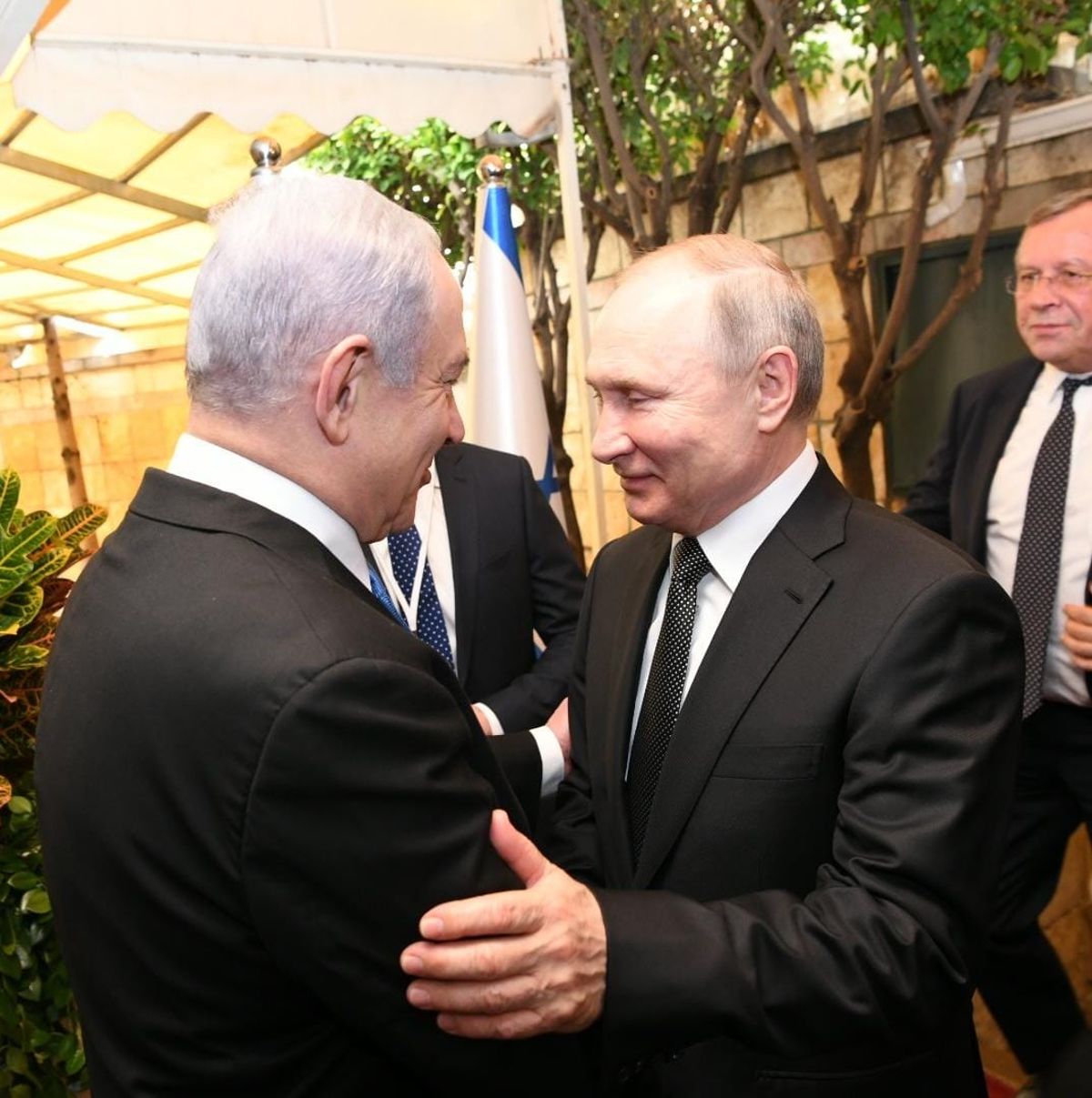
Netanyahu and Putin
Netanyahu and Putin (Photo: Prime Minister's Office)

Strategic Blind Eye — The Silent Contract Over Syrian Skies

For Israel, this mechanism is not merely a technical-bureaucratic item, but first-rate strategic oxygen. It grants the IDF vital maneuvering space against Iranian target consolidation and critical smuggling routes of advanced weaponry to Hezbollah on Syrian soil. In return, Moscow chooses a method of deliberate "pretense" — it turns a blind eye to Israeli Air Force activity, as long as Russian bases and forces remain outside the danger zone.

This is a cold, calculated, precise pragmatic arrangement: Israel meticulously avoids hitting Russian assets, and in exchange Russia blocks any attempt at direct intervention against Israeli operations in the airspace. The result on the ground is a limited but critical operational space, allowing Israel to continue blocking and thwarting the Iranian entrenchment project right under the Russians' noses.

In recent years, Israel-Moscow relations have been pushed repeatedly to the brink of diplomatic abyss. The brutal war in Ukraine, tensions surrounding sanctions, and the strategic and alarming rapprochement between the Kremlin and the ayatollah regime in Tehran, all of which created a series of sharp frictions that justifiably deepened suspicion in Jerusalem. When consistent reports of tightening technological cooperation between Moscow and Tehran are added to this, the picture looks like one treading on a powder keg.

Yet Ambassador Viktorov's declaration sharpens what security chiefs know well behind the scenes: in the brutal world of realpolitik, superpowers know how to separate political rhetoric from burning operational needs.

Ultimately, the hotline that survived all the upheavals proves that Jerusalem and Moscow manage a relationship of cold, calculated interests. This is an island of pragmatic, relative stability in the heart of a sea of unprecedented regional instability — testimony that even when winds rage and axes shift, the need to prevent frontal collision in Syrian skies is stronger than any crisis.

The Big Picture: Cold Pragmatism in the Heart of the Storm

It's important to be precise: this mechanism does not indicate any strategic alliance or political closeness between Israel and Moscow. It expresses one thing only — a narrow, measured but utterly vital shared interest: preventing accidental, unintended flare-up between two armies operating in the same crowded, bleeding arena.

In an era when the Kremlin deepens its alliance with the ayatollah regime in Tehran and Israel fights fiercely against the tentacles of the Iranian octopus, the hotline between the Kirya and Khmeimim remains a rare survivor — one of the few channels still functioning as usual despite the fire all around.

This is a sharp reminder that in the boiling Middle East, even at the height of multi-theater confrontation, cold, calculated pragmatism sometimes knows how to carve a path through the darkness and stop the system just before frontal collision.

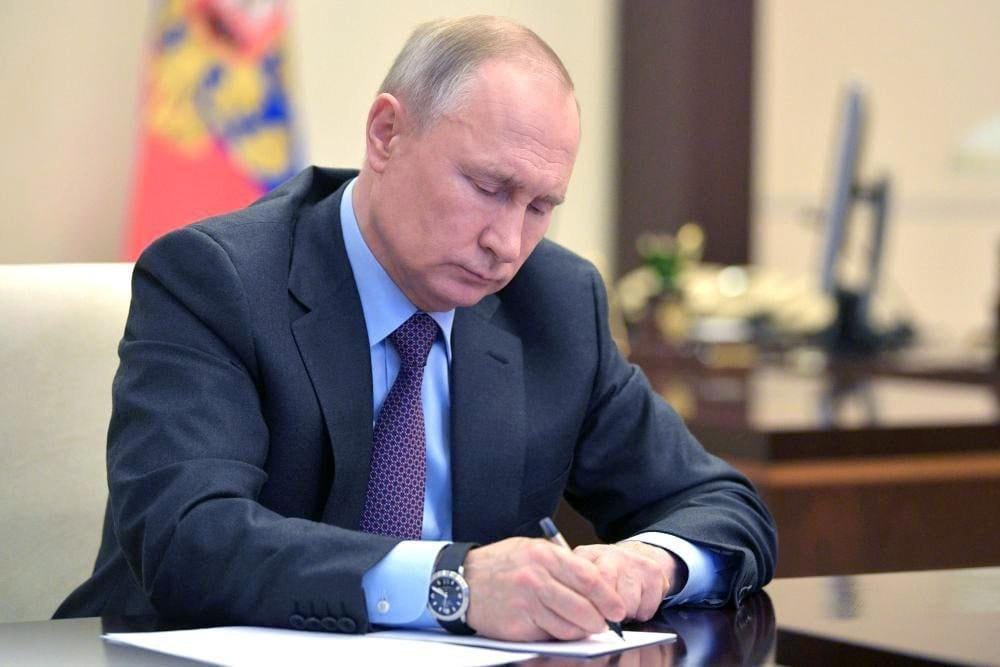
Vladimir Putin
Vladimir Putin (Photo: Russian Foreign Ministry)

Jerusalem's Dilemma — Tactical Asset or Strategic Burden?

In closed discussion rooms in Jerusalem, a deep strategic dilemma is quietly conducted, one with no magic solutions. On one hand, the military coordination mechanism with Russia in Syria grants Israel an enormous operational asset: relative and critical freedom of action to thwart Iranian targets and weapons shipments to Hezbollah, while preventing frontal collision with a nuclear power. On the other hand, that same power is providing political cover — and perhaps even technological support — to Tehran, the central enemy threatening Israel's existence.

The question troubling decision-makers extends far beyond the technical plane: it touches on the dangerous delicacy between short-term operational benefit and long-term strategic price.

The Operational Advantage: The Price of Preventing Catastrophe

Since 2015, this mechanism has functioned as oxygen for the Air Force. The hotline between the Kirya in Tel Aviv and Khmeimim base prevents lethal errors and preserves vital maneuvering space. Without it, every sortie against a missile convoy or entrenchment base could ignite a spark on the Russian side and lead to dizzying multi-theater escalation.

For the IDF, this is a cornerstone of the "mowing the grass" policy — the ability to strike Iran and its proxies while dramatically reducing the risk of direct superpower confrontation.

The Strategic Price: Is Moscow Playing Both Sides?

But this coin has two painful sides. The same Russia enabling Israeli breathing room is the one consistently tightening its alliance axis with the ayatollah regime. Disturbing reports of technological cooperation, supply of advanced components, drone knowledge and defense systems, raise deep concern in Jerusalem.

Even if Moscow's diplomatic space is careful not to become a full military partner, the backing it provides Tehran in international arenas and its consistent criticism of Israel create an equation that cannot be ignored. This covert dependency could become a trap controlling Israeli hands.

The dilemma drains into three open, burning questions:

  1. How far can one continue to ignore Russian involvement in arming Iran, as long as the hotline in Syria continues to function?
  2. Does the operational gain in Syrian skies justify avoiding broader diplomatic or economic confrontation with the Kremlin?
  3. What happens the day Moscow decides to impose stricter conditions, or heaven forbid, pull the plug?
  4. The Test of Realpolitik

The classic Israeli approach has always been rigid separation between arenas: managing a pragmatic channel with Moscow in Syria, alongside uncompromising pressure on Iran in cooperation with Washington. But this balance is becoming more delicate and fragile than ever.

The central danger is that tactical need will become blind strategic dependency. If Israel leans on the Russian mechanism even when the strategic price soars skyward, it may discover that immediate freedom of action comes at the expense of its broader strategic freedom.

The test is not whether to maintain the hotline, but how far one can go with it, before it transforms from a shining asset into an unbearable burden.


Ready for more?

Join our newsletter to receive updates on new articles and exclusive content.

We respect your privacy and will never share your information.

Enjoyed this article?

Yes
No
Follow Us:

Unmissable content


Loading comments...

Also of Interest