Should Trump Accept Iran's Demands? The Dangerous Illusion of 'Peace at Any Price'
Intelligence reveals Iran restored 90% of missile sites despite claims • $29 billion spent with Tehran training drone hunters | Why capitulation guarantees future conflict (Analysis)

The siren call of ending conflict "once and for all" carries an undeniable appeal, particularly when American military spending approaches $30 billion and global supply chains teeter on collapse. Yet the question of whether President Trump should simply accept Iran's demands and declare victory reveals a fundamental misunderstanding of both Tehran's strategic calculus and the nature of the regime itself.
The premise assumes that Iran seeks a genuine resolution. Classified intelligence assessments paint a starkly different picture, one that should give pause to anyone advocating capitulation as a path to lasting peace.

The Intelligence Gap: What Washington Knows But Won't Say
When President Trump declared in March that Iran's missiles were "down to a scatter" and the country had "nothing left in a military sense," it represented one of the most definitive public assessments of Operation Epic Fury's success. Behind closed doors, however, U.S. intelligence agencies were conveying a dramatically different reality to policymakers.
Classified assessments from early May reveal that Iran has restored operational access to 30 of its 33 missile sites along the Strait of Hormuz. This represents a 90% recovery rate, achieved while the Trump administration publicly maintained that Iranian military capability had been effectively neutralized. The gap between public messaging and private intelligence briefings stands as one of the starkest known discrepancies in recent American diplomatic history.
This intelligence reality fundamentally undermines the argument for accepting Iranian demands. A regime that has successfully rebuilt its strategic capabilities while projecting weakness is not negotiating from a position of desperation, it is executing a calculated strategy of deception and delay.

The True Cost of Conflict - and Capitulation
Pentagon comptroller Jules Hearst's recent testimony to lawmakers revealed that U.S. military expenditures related to the Iran conflict have surged to $29 billion, with a $4 billion increase occurring in just the past few weeks. The spending spike stems primarily from equipment maintenance, weapons replacement, and the logistical costs of maintaining a prolonged regional presence.
These figures provide ammunition for those advocating a swift resolution at any cost. Yet they obscure a more fundamental calculation: the long-term price of rewarding Iranian aggression with concessions that legitimize the regime's closure of the Strait of Hormuz and its weaponization of global supply chains.
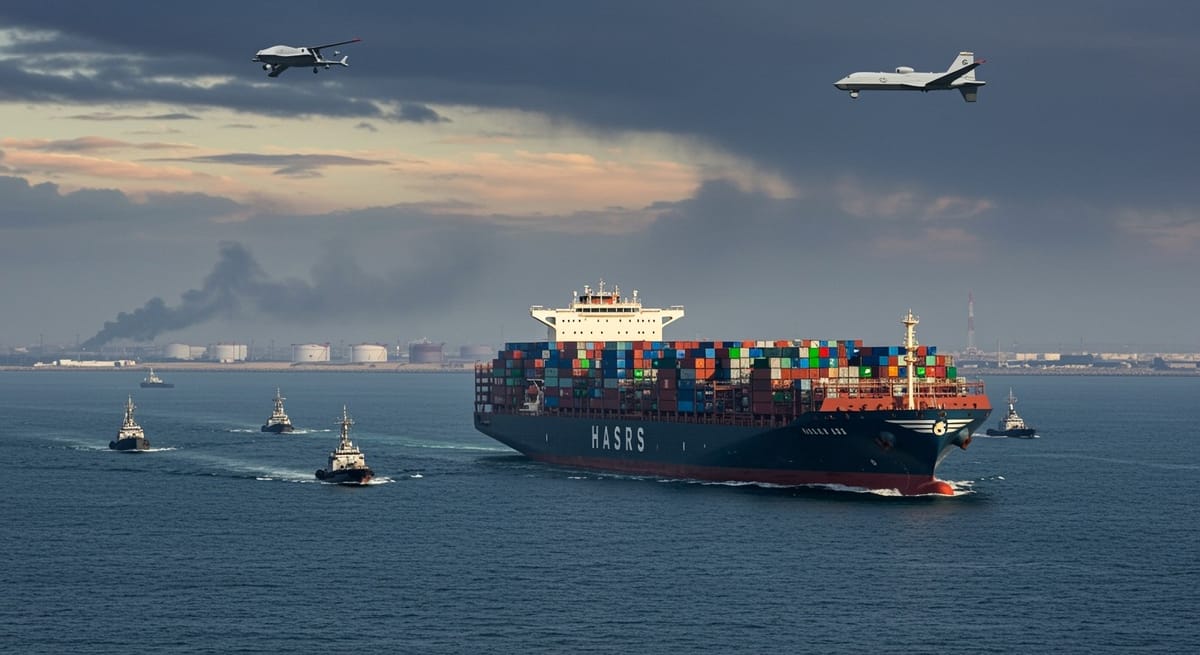
According to United Nations assessments cited in strategic analyses, the prolonged closure of the Strait has created conditions for potential global famine. Tehran views this economic devastation not as collateral damage but as its primary weapon—a strategic achievement that has transformed Iran from a besieged nation into what the regime perceives as the architect of a worldwide crisis.

Tehran's Victory Narrative: Why the Regime Believes It Has Already Won
Perhaps the most compelling argument against accepting Iranian demands emerges from understanding how Tehran itself views the current situation. The regime has quietly concluded that it has already achieved victory, not through battlefield success, but by inflicting economic damage that far exceeds anything American military power can reverse.
This perception persists even as Iran faces severe domestic hardships, including a series of nine earthquakes that struck near Tehran, raising concerns about the capital's vulnerability to major seismic disaster. The regime's confidence stems from its assessment that by weaponizing energy markets and global supply chains, it has fundamentally altered the strategic balance.
Iranian leadership views Western economies buckling under fuel prices and supply chain collapse as validation of their approach. Accepting their demands would not end this strategym it would vindicate it, guaranteeing that Tehran will employ the same tactics in future confrontations.

The Iraqi Precedent: Tehran's Regional Strategy
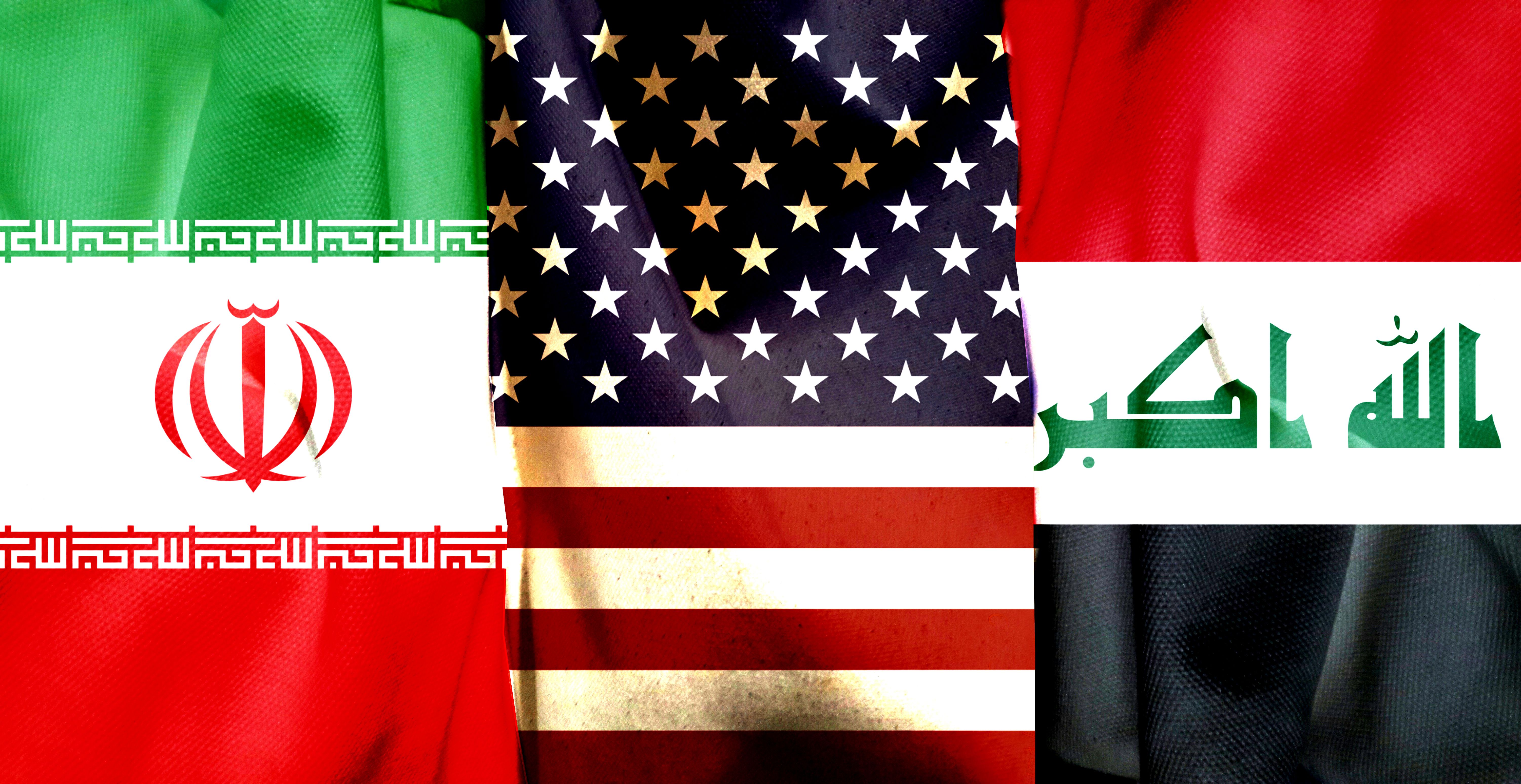
Iran's approach to negotiations can be understood through its current actions in Iraq, where the regime has imposed what Iraqi officials describe as a formal "veto" against any government formation that excludes Shiite militia representatives. This move directly counters unprecedented U.S. pressure to establish a Baghdad government free of Iranian-backed influence.
The unannounced arrival of Quds Force Commander Esmail Qaani in Baghdad underscored Tehran's determination to maintain its regional proxy networks regardless of American demands. His message to Iraqi power brokers was unambiguous: Iran will not permit its carefully cultivated influence to be dismantled through diplomatic pressure.
This Iraqi example reveals the futility of expecting Tehran to honor agreements that genuinely constrain its regional ambitions. The regime views such commitments as tactical pauses rather than strategic concessions, temporary accommodations to be violated once circumstances permit.
The Moral Hazard of Capitulation
Beyond strategic considerations lies a fundamental question of precedent. Accepting Iranian demands after the regime closed the Strait of Hormuz, threatened global famine, and rebuilt its military capabilities while projecting weakness would establish a dangerous template for future adversaries.
It would signal that economic warfare against civilian populations, weaponization of critical supply chains, and systematic deception during negotiations carry no lasting consequences, provided a regime can inflict sufficient pain on Western economies to make capitulation politically attractive.
The argument that "ending the war once and for all" justifies accepting Tehran's terms assumes that such acceptance would indeed end the conflict. History suggests otherwise. Regimes that achieve their objectives through coercion and deception do not suddenly transform into reliable partners for peace.
The Path Forward: Strength, Not Surrender
The question is not whether the current situation carries unsustainable costs, it clearly does. The question is whether accepting Iranian demands would reduce those costs or merely defer them while emboldening a regime that has demonstrated neither good faith nor genuine interest in lasting resolution.
The classified intelligence showing Iran's restoration of 90% of its missile capabilities while publicly appearing weakened should dispel any illusions about Tehran's negotiating posture. The regime is not seeking an honorable exit from conflict, it is positioning itself for the next phase of confrontation.
True peace requires more than the absence of active combat. It requires addressing the underlying dynamics that make conflict inevitable. Accepting Iranian demands would achieve neither, instead guaranteeing that the international community will face the same challenges, likely in more acute form, within months or years.
The appeal of ending conflict "once and for all" is understandable. But peace purchased through capitulation to a regime that views such concessions as validation of its strategy is not peace at allm it is merely an intermission before the next act of a tragedy that could have been prevented.