Report: Trump Fumed for Hours Over Downing of Jet in Iran
Trump Rages Over Iran Jet Crash: Exclusive details on the President’s shouting match with aides, the pilot rescue operation, and why he warned his team that this crisis could "cost them the election."
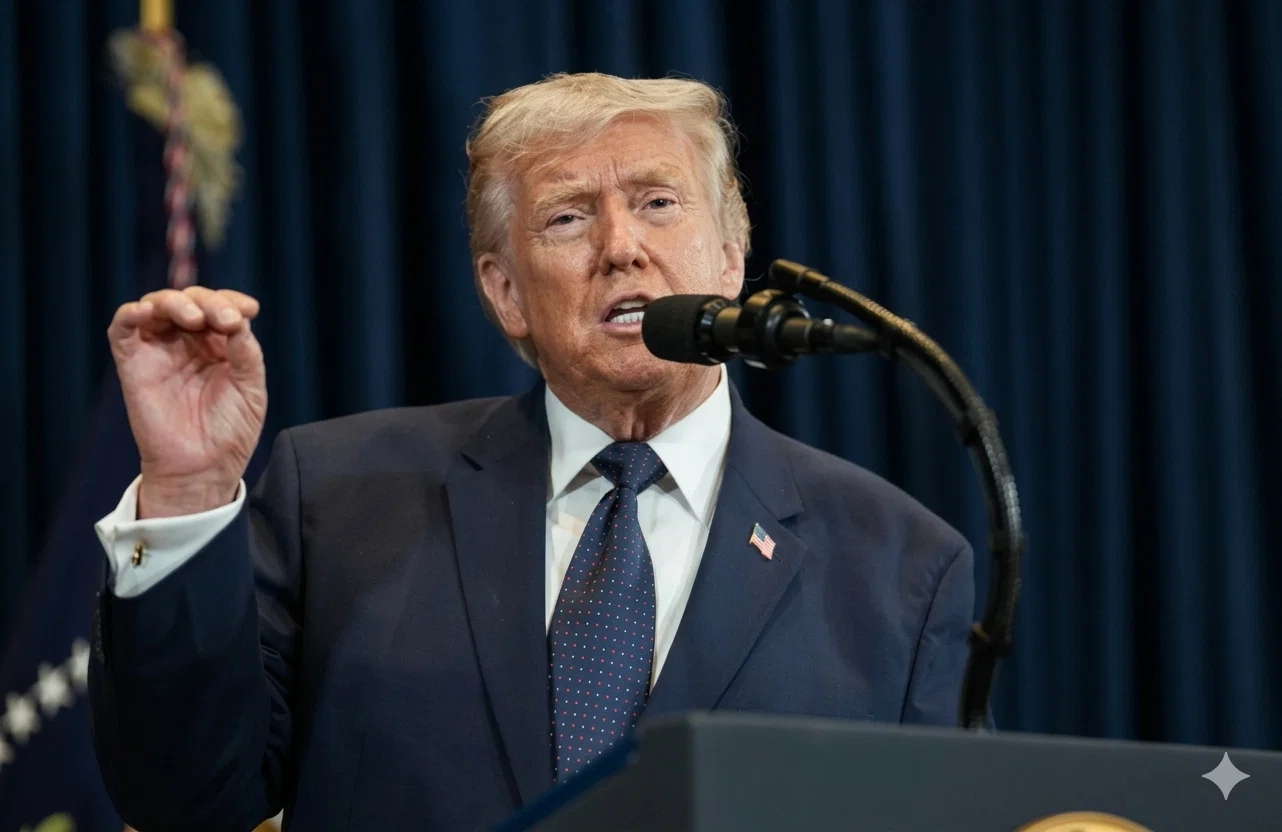
President Donald Trump erupted in fury on the morning an F-15 fighter jet was downed in Iran, shouting at his advisors for hours. A report published overnight by the Wall Street Journal reveals new details regarding the high-stakes crisis management within the White House.
Advisors Kept Trump Out of the Situation Room
According to the report, Trump demanded that his aides take immediate action to rescue the two pilots on board the aircraft. However, senior White House advisors chose to keep the President out of the Situation Room while they received live updates from the field. This decision was reportedly made out of concern that the President’s impatience could jeopardize the complex rescue operation.
The national security team provided Trump with updates only at significant milestones, attempting to manage the crisis in a professional and controlled manner.
"What a Mess" - Invoking the Carter Era
During the incident, Trump reportedly referenced the 1980s Iran hostage crisis under President Jimmy Carter. Warning his advisors of the political stakes, Trump remarked, "It cost them the election," adding angrily, "What a mess."
The report also quotes the President complaining that "the Europeans aren't helping" with the rescue efforts, expressing deep frustration over a perceived lack of international cooperation during the crisis.
Uncoordinated "Extreme" Tweets as Strategy
Throughout the conflict with Iran, Trump has posted several social media messages described as "extreme," including a threat to "destroy civilization in Iran" - a statement that sent shockwaves through the international community.
The WSJ report claims some of these posts were published without consulting his national security team. Trump later explained his rationale: he believed that projecting an image of instability or unpredictability might pressure Iran into making concessions at the negotiating table.
Influence of Allies and Historical Comparisons
The report indicates that Trump’s decision to pursue military action against Iran followed a briefing from Israeli Prime Minister Benjamin Netanyahu in February. He also held discussions with close allies like Senator Lindsey Graham, who supported military intervention.
Internal conversations reveal that Trump told advisors he "trusts the military to succeed," reportedly saying, "Look how fast we won in Venezuela," in reference to a previous military operation conducted under his command.
This report follows earlier coverage of the historic mission, including interviews with F-15 pilots and the $8.6 billion deal in which Israel received 25 F-15 jets from the U.S. shortly after the Trump-Netanyahu meeting.