Court Greenlights Trump's Ballroom Build Until June
The US Court of Appeals for the District of Columbia said construction could proceed until a further hearing scheduled for June 5. The decision follows a ruling by US District Judge Richard Leon, who had blocked the above-ground portion of the project, arguing it likely required congressional approval.
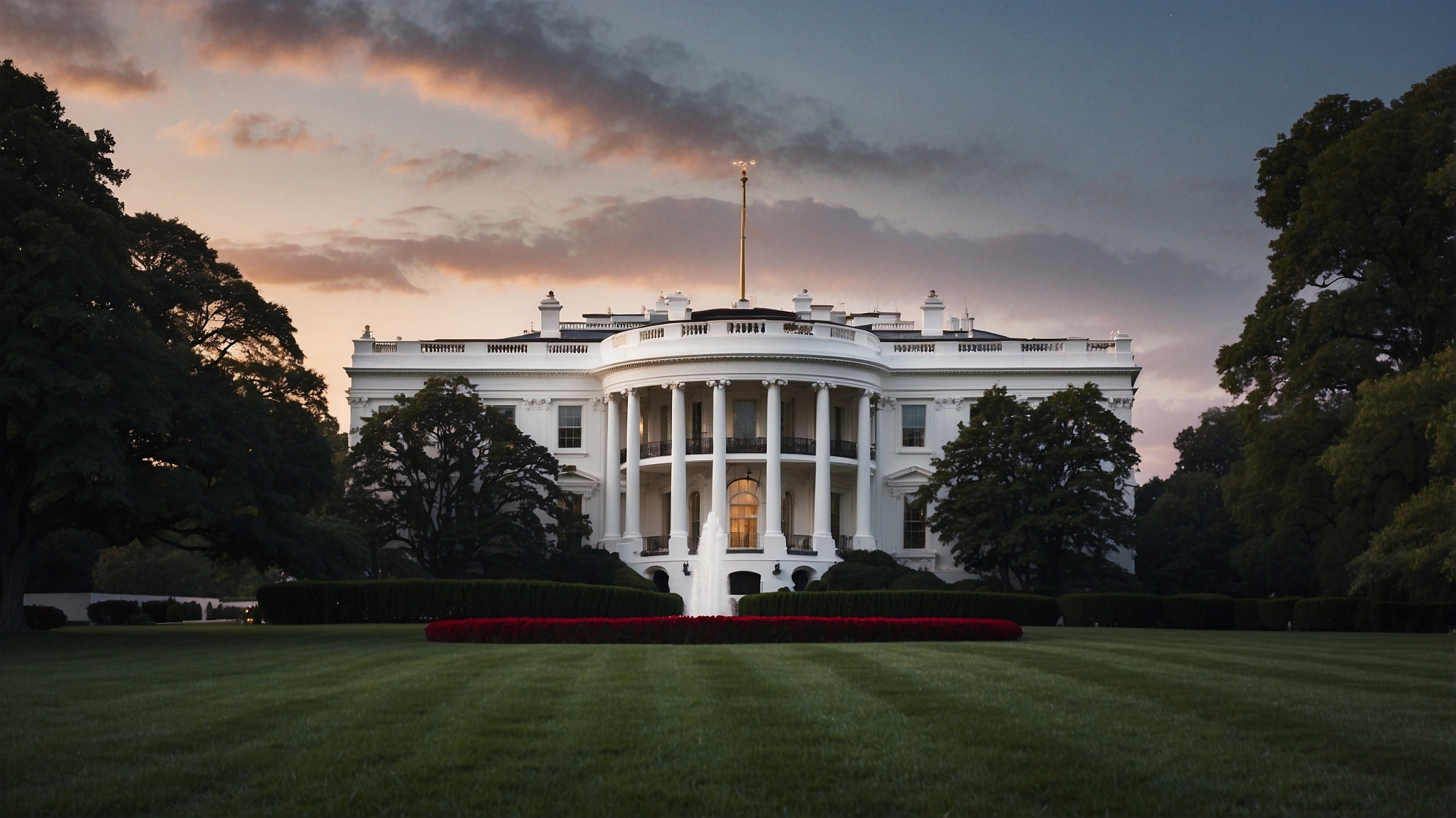
An appeals court has allowed construction of US President Donald Trump’s White House ballroom project to continue, granting an administrative stay after the administration challenged a lower court ruling that had halted above-ground work.
The US Court of Appeals for the District of Columbia said construction could proceed until a further hearing scheduled for June 5. The decision follows a ruling by US District Judge Richard Leon, who had blocked the above-ground portion of the project, arguing it likely required congressional approval.
Leon also criticized the administration’s move to classify the project as a national security necessity, writing that “national security is not a blank cheque to proceed with otherwise unlawful activity.”
The Justice Department appealed the decision, warning that halting construction would pose risks by leaving an exposed excavation site adjacent to the Executive Residence and could affect presidential security.
Trump defended the project publicly, saying the ballroom and related underground facilities were essential for hosting large-scale meetings with world leaders and ensuring security. He said the broader complex would include bomb shelters and medical infrastructure, describing it as part of a larger, integrated system tied to national security and military operations.
The legal dispute stems from a lawsuit filed by the National Trust for Historic Preservation, which alleges the administration bypassed required planning procedures and failed to seek congressional authorization before beginning construction. The group also said the White House did not properly submit plans to the National Capital Planning Commission.
Construction began after the demolition of the East Wing, originally built in 1902, to make way for the new facility. The ballroom is expected to accommodate up to 1,350 guests and is projected to cost $400 million, funded by private donors.
Earlier in March, Leon had ordered a full halt to the project, but the appeals court had since instructed him to reconsider the national security implications of stopping construction before issuing his more limited ruling this week.