For the Safra family, originally from Syria and Lebanon, this sale symbolizes not only a financial gain but also a change in their approach to their Jewish heritage: In the past, they tended to downplay their connections with Israel and Judaism to maintain business relationships in the Arab world. Now, the public sale of such a significant Jewish item highlights their growing openness on this issue.
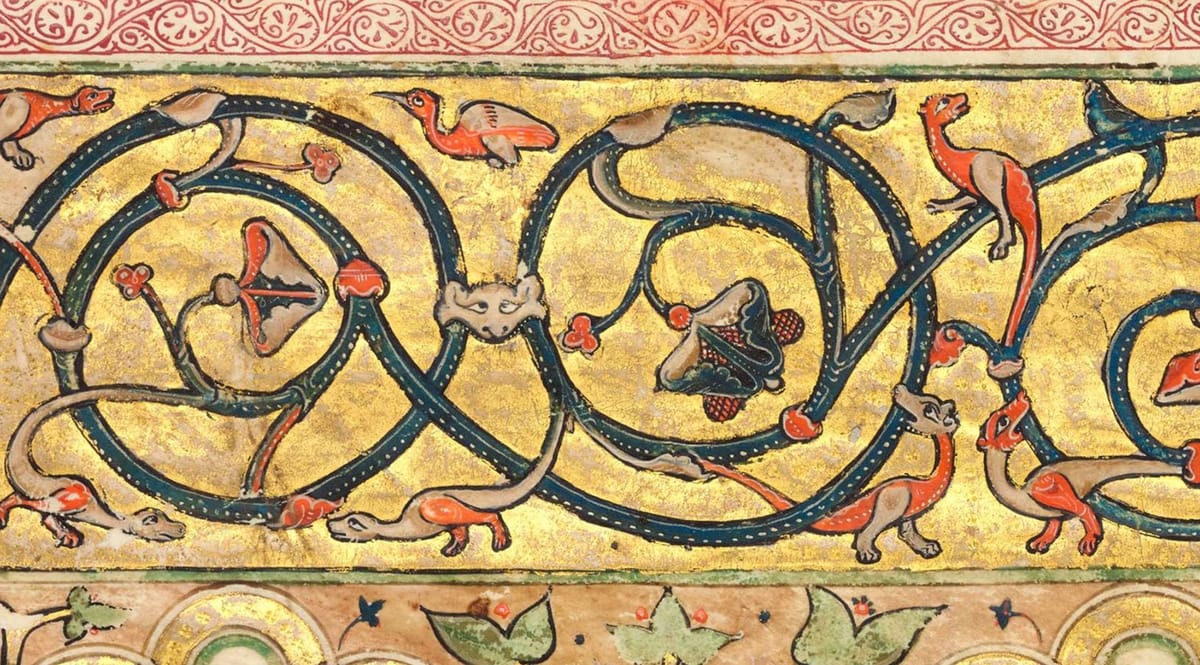
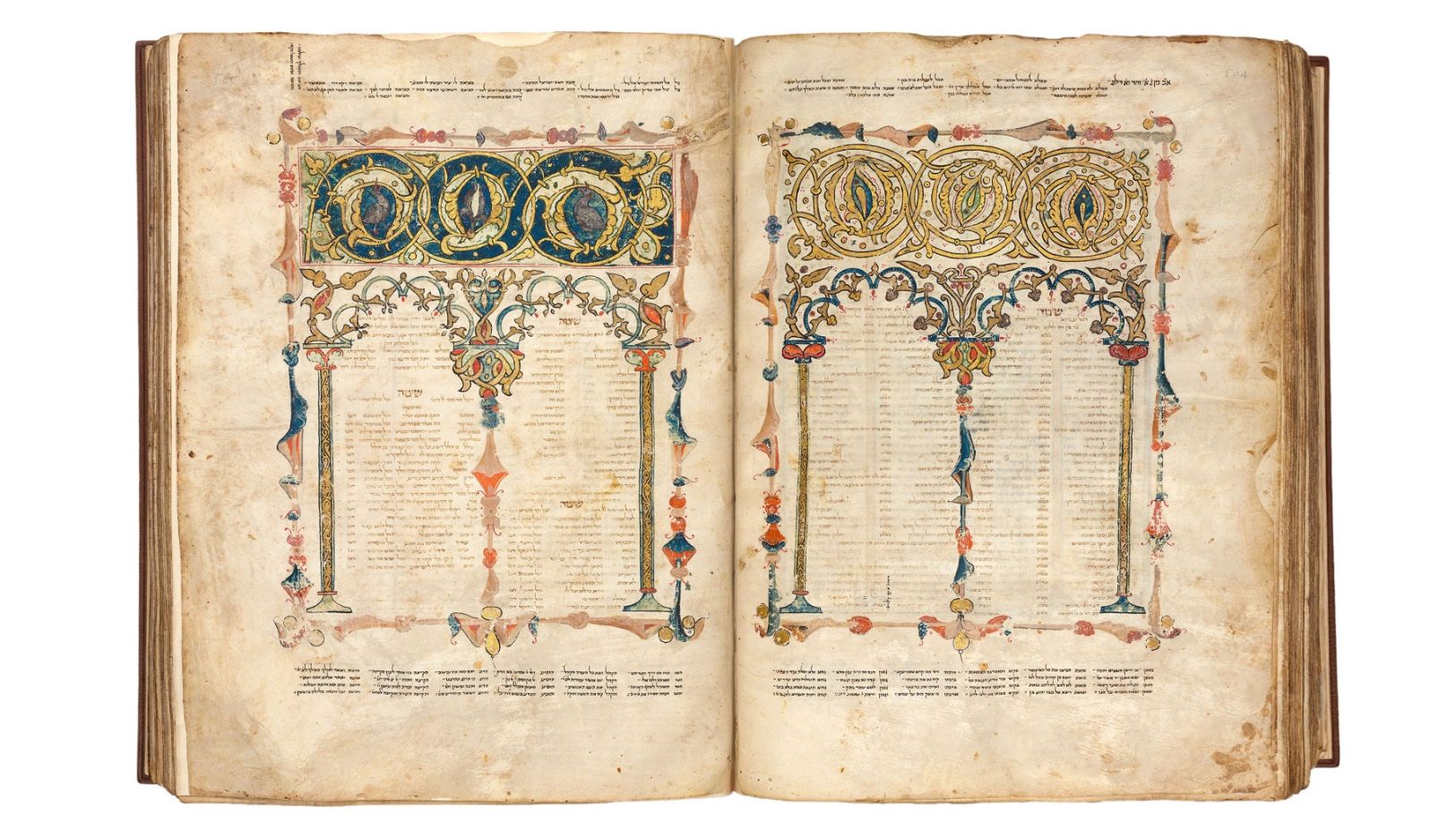
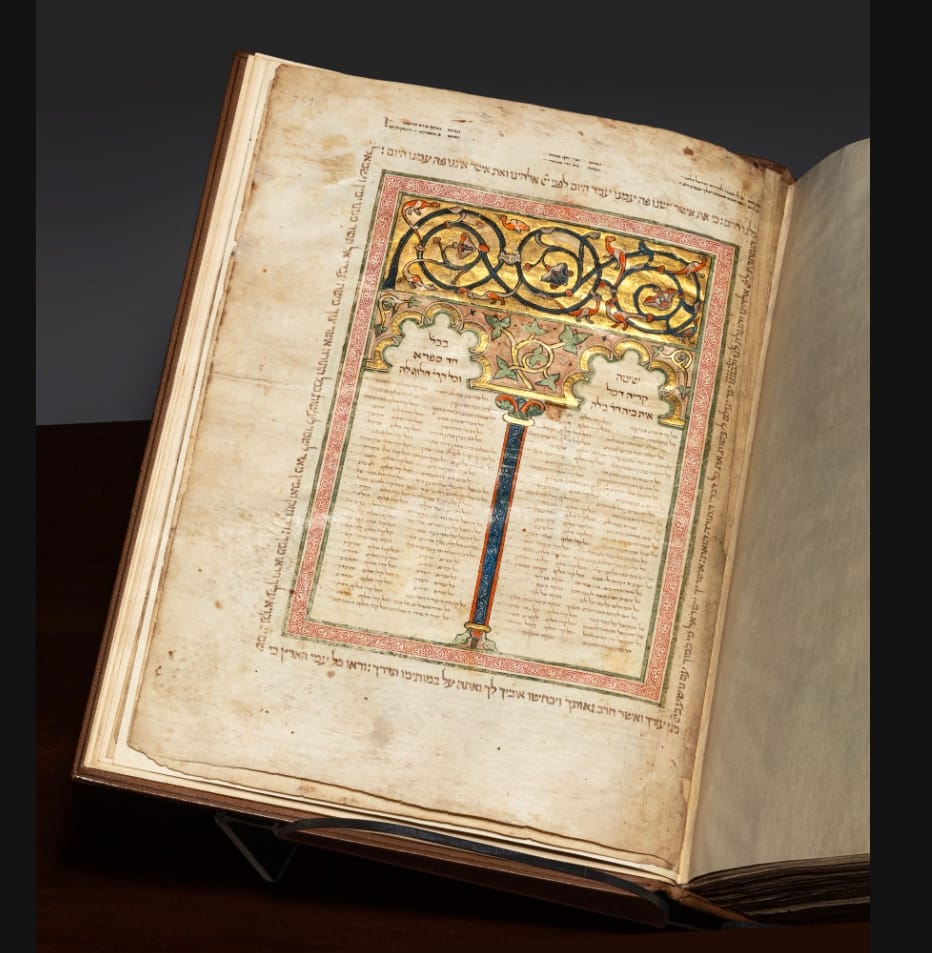
Sharon Liberman Mintz, Sotheby's international senior Judaica specialist, described the Bible as "a tour de force of biblical and kabbalistic scholarship and a precious witness to the medieval tradition of Sephardic book art."
The Bible's journey through history is as remarkable as its content. It has survived numerous wars, traveling from Spain to Jerusalem, Baghdad, Tripoli, London, and Geneva over seven centuries. Its survival through events such as the Spanish Inquisition, Crusader invasions, and World War II is described by experts as "miraculous."
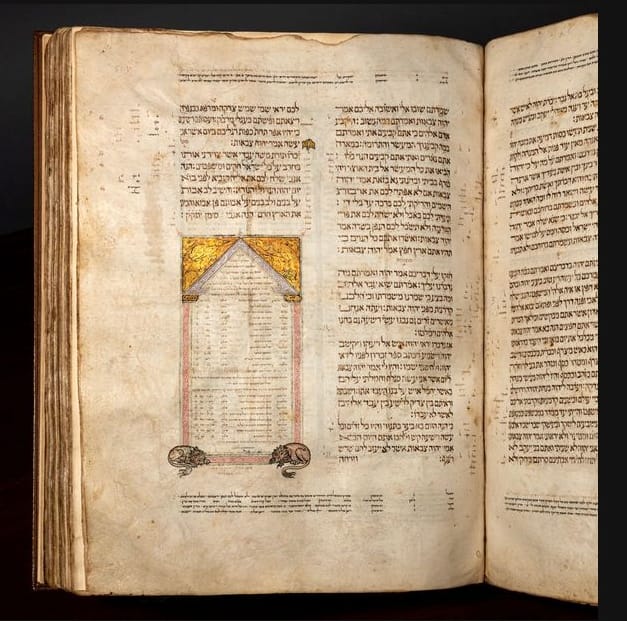
One of the Bible's most fascinating features is its incorporation of about 2,000 "anomalous" letters – characters that are smaller or larger than normal, imbued with special, secret meanings according to Kabbalistic traditions. It also frequently cites the legendary Hilleli codex, a lost ancient Hebrew Bible.
The new owners plan to make it available for public viewing. This decision marks a shift from its long history in private collections and aligns with the growing trend of making significant historical artifacts accessible to a wider audience.
For Jews and art enthusiasts alike, the Shem Tov Bible is not only a religious text, but also a window into a pivotal period of cultural exchange and artistic innovation in medieval Europe.
Arutz Sheva and The Guardian contributed to this article.