Every year on Rosh Hashanah, we crown Hashem as King through the sounding of the shofar. But this year, on the first day of the new year, the shofar will not be blown. Are we missing something essential?
Chassidic teachings offer a profound perspective on Rosh Hashanah that falls on Shabbat, revealing layers of meaning hidden within the absence of the shofar blast.
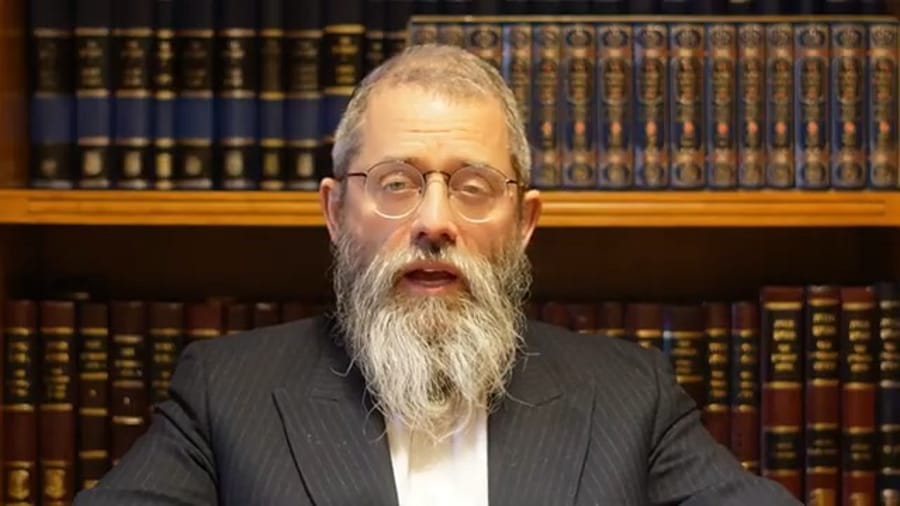
In a special pre-Rosh Hashanah lecture, Rabbi Asher Farkash explores the Chassidic understanding of "a Yom Tov of Rosh Hashanah that occurs on Shabbat", and what it indicates about the year stretching before us.
Among the questions Rabbi Farkash addresses:
How can a rabbinic decree override a lofty Torah commandment?
What departs on Rosh Hashanah eve, and how does the world exist without a King?
What is the pleasure inherent in kingship, and why does Shabbat accomplish what the shofar accomplishes?
Why was the shofar blown in the Holy Temple even on Shabbat, and why do we still recite the shofar verses in Musaf?
How does Rosh Hashanah beginning on Shabbat transform all of 5787 into a "Shabbat year", a year of pleasure, rest, and abundance?
The lecture illuminates the "head" of the year and teaches how to bring the sanctity of Shabbat into everyday life.