Get our mobile app
Download on the App StoreGet it on Google Play

Israel News

Education data: 26% dropout, wide gaps

Education Ministry releases annual snapshot showing dramatic disparities between communities, with some towns posting over 90% matriculation while others struggle below 65%

Education data released

Dropout rates

The Education Ministry has released its annual "Educational Mirror" data, compiling matriculation eligibility, dropout rates and excellence indicators across Israeli high schools, and the picture shows sharp divides between communities.

The Yavne'el local council leads the national dropout table with a rate of 26 percent of high school students, a figure that stands alone at the top. The next 19 municipalities on the list show far lower rates: the Aravot HaYarden regional council recorded 3.5 percent dropout, while authorities such as Pardes Hanna-Karkur registered rates as low as 1.6 percent.
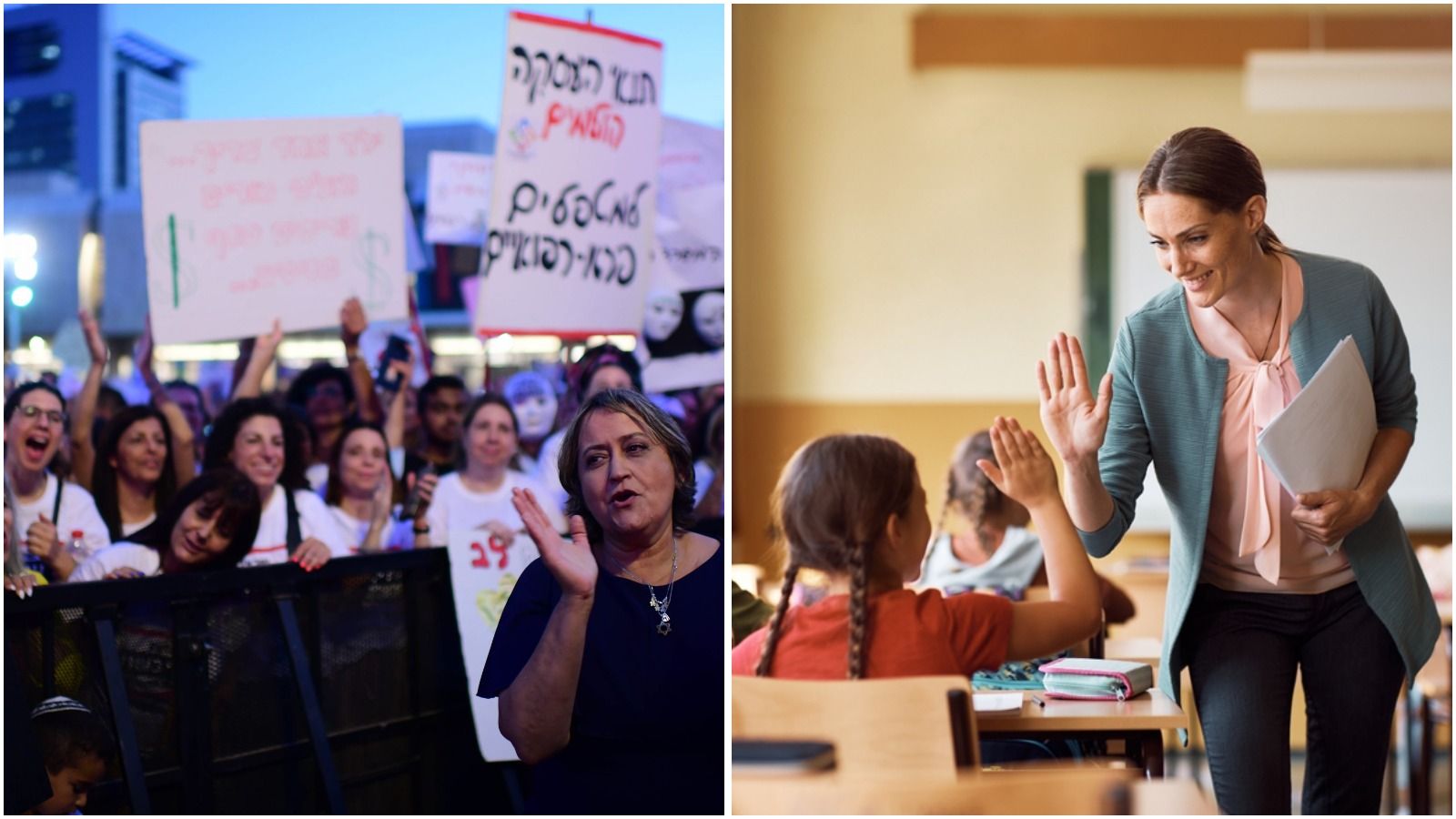

From classroom to protests over education gaps
From classroom to protests over education gaps (Photo: Tomer Neuberg/Flash90/Michael Interact/Shutterstock)

Eligibility and excellence

Matriculation eligibility data reveals deep gaps between peripheral communities and leading municipalities. The national average stands at 77.9 percent, but weaker authorities recorded rates as low as 62.2 percent. By contrast, Ramat Hasharon, Givatayim, Ra'anana, Modi'in-Maccabim-Re'ut and Shoham all posted eligibility rates above 90 percent, alongside high percentages of students sitting for five-unit mathematics and English exams and earning distinction certificates.

The data also tracked achievement in core and humanities subjects, including Tanach, where cities such as Ramat Gan, Herzliya and Givat Shmuel showed significant leads over communities in the distant periphery.

Education Minister Yoav Kisch
Education Minister Yoav Kisch (Photo: Yonatan Sindel/Flash90)

Controversial replacement for Meitzav

The release drew sharp public criticism from communal figures and parents, who issued statements calling the data a reflection of a difficult reality requiring systemic intervention.

The "Educational Mirror" report was published following Education Minister Yoav Kisch's controversial decision to discontinue publication of Meitzav standardised test results, citing claims of unreliability and inaccurate measurement by those responsible for the external benchmark exams. The decision sparked widespread criticism within the education system and among professional educators, teachers and parents, many of whom argue it represents an attempt to avoid presenting difficult findings, while the current data is being presented as an allegedly "consciousness-engineering" substitute for the independent, true measurement of local authorities' educational achievements.

Ready for more?

Join our newsletter to receive updates on new articles and exclusive content.

We respect your privacy and will never share your information.

Enjoyed this article?

Yes
No
Follow Us:

Unmissable content


Loading comments...

Also of Interest