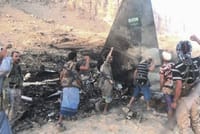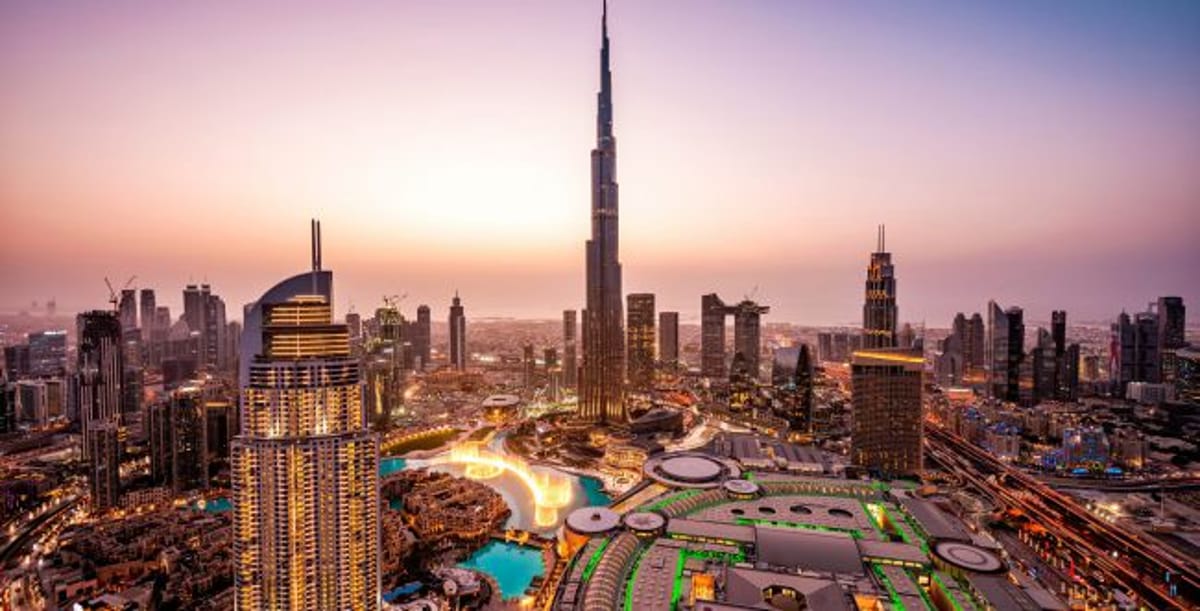
For decades, Dubai has marketed itself as a sanctuary of luxury and stability in a volatile region, a place where global business and tourism could thrive far from the wars of the Middle East. However, the current war between Israel and Iran has shattered this illusion. The Iranian regime has launched hundreds of missiles and drones toward the UAE, with several impacting civilian areas and strategic sites within Dubai. Airports have been forced to close, flights have been diverted, and the physical sounds of war have reached the heart of the city. In response, the UAE authorities have launched an aggressive campaign to control the narrative, using severe legal threats and public relations blitzes to prevent the world from seeing the true scale of the damage.
Penalties for the Truth
To preserve the "Dubai brand," the government has implemented a total crackdown on social media posts that show the effects of the Iranian strikes. Authorities have warned that anyone sharing content that contradicts the official "business as usual" version of events will face severe consequences. Penalties include fines of tens of thousands of dollars and a minimum of two years in prison. Reports have already surfaced of more than 20 people being investigated for such offenses, including a 60 year old British tourist who was reportedly charged after filming missiles in the sky above the city. This wall of silence is intended to reassure investors and tourists, but it has created a growing gap between the polished image seen online and the reality on the ground.
While official accounts show crowded cafes and glitzy shopping malls, the economic reality is becoming increasingly grim. The model that Dubai is built on, tourism and foreign investment, is highly sensitive to security risks. Thousands of foreign residents, who make up over 90% of the population, have reportedly fled the city since the attacks began. Others remain stranded due to cancelled flights and rising travel costs. Local workers, such as taxi drivers, report a massive drop in income as the streets empty of tourists. The threat is not just to the current season, but to Dubai's long term status as a global aviation and business "hub."
A Fragile Future
The UAE leadership is fighting a desperate battle to ensure that the memory of missiles over skyscrapers does not become a permanent part of the city's identity. They have increased promotional spending and are encouraging the private sector to offer deep discounts to keep people coming. However, tourism experts warn that once the perception of safety is lost, it takes years of effort to regain the trust of the international community. The UAE is not waiting for the war to end to start this recovery, they are attempting to overwrite the reality of the war in real time. Whether the glitter of the malls can outshine the flash of interceptions in the night sky will determine the future of the Emirates for years to come.