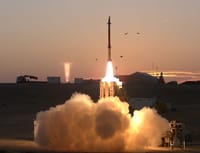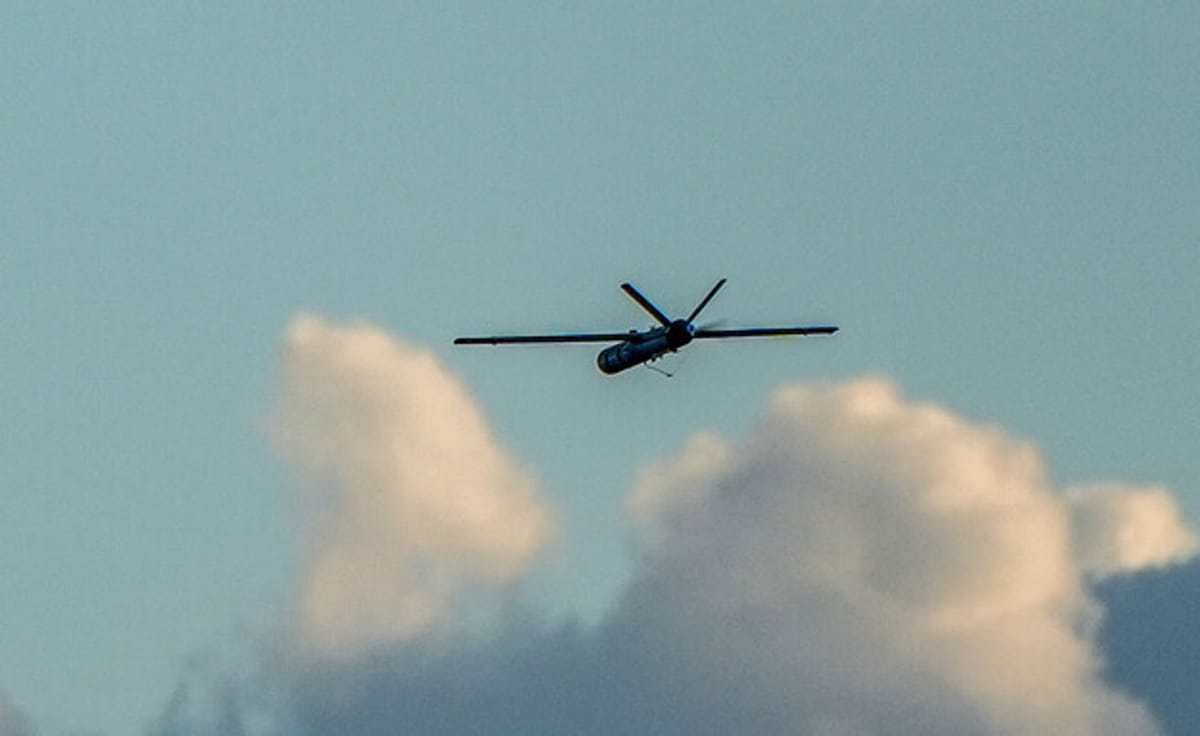
The IDF has identified a significant shift in Hezbollah’s military strategy as the war in southern Lebanon intensifies. Security officials believe the terror organization is now managing a "munitions economy," carefully rationing its long range rocket stockpiles while shifting its focus toward high frequency drone and UAV launches. While the total volume of rocket fire into northern Israel has seen a slight decline, the complexity of the aerial threats has grown, forcing the Israeli Air Force to adapt its interception methods. This tactical change comes as Israeli ground forces continue their slow, methodical advance into Hezbollah’s most fortified strongholds.
The Battle for Bint Jbeil
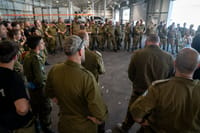
A major focal point of the current ground operation is the town of Bint Jbeil, a site of deep symbolic importance for the terror group. It was here, in 2000, that the former leader of Hezbollah delivered his famous "Spider Web" speech, mocking Israeli resilience. Today, Brigadier General Guy Levy, commander of the 98th Division, addressed his troops from that very location, noting that the man who gave the speech is dead and the ground he stood on is under Israeli control. "He boasted about webs and spiders. Today, that man does not exist, the field does not either, and his words are worth nothing," Levy stated. The battle for the town has been brutal, with over 100 terrorists killed in face to face combat and through precision airstrikes.
Despite the tactical successes, the IDF remains cautious. The fighting in the dense, built up areas of southern Lebanon is proceeding slowly to allow for the systematic destruction of terror infrastructure. Military sources estimate that roughly 70 percent of Hezbollah’s current fire is directed at the ground troops operating within Lebanon, rather than at the Israeli home front. This indicates that the group is prioritizing the defense of its remaining territory over offensive strikes. As the IDF tightens its grip on areas south of the Litani River, the pressure on Hezbollah to maintain its "ammunition economy" is expected to increase, further limiting its ability to launch coordinated strategic attacks.