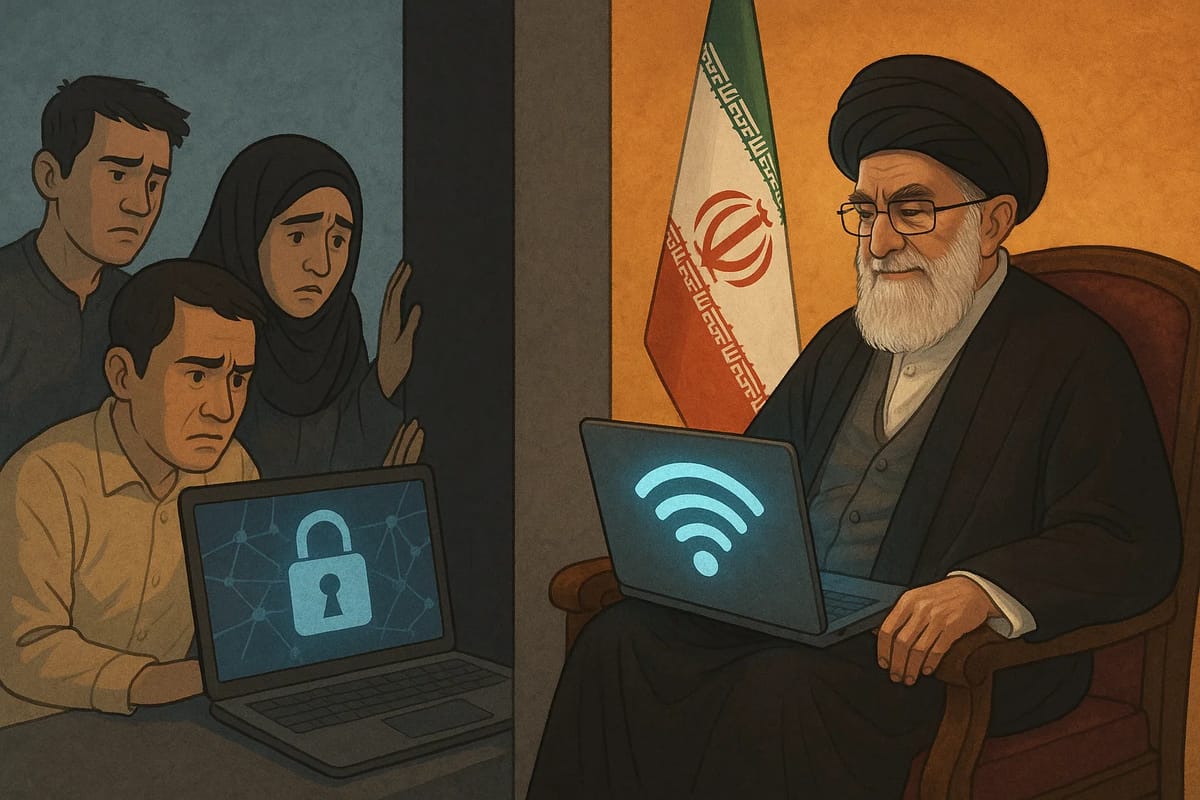
In a country of nearly 100 million people, the Iranian regime is wielding a weapon as powerful as any missile: the National Information Network (NIN). By effectively "flipping a switch," the authorities have reduced the nation's internet traffic to a mere 12% of its normal capacity. This systematic policy of digital suppression is designed to keep the world blind to the realities of the war. By restricting bandwidth, the regime ensures that vital services like hospitals and banks remain functional while civilian use is almost entirely halted. This makes it virtually impossible for citizens to upload videos or report in real time, allowing the regime to maintain absolute control over the narrative both inside and outside the country.
A Visual Blackout
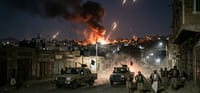
This "communication darkness" explains why the current war between Iran, the U.S., and Israel is significantly less visual than other modern wars. In most cases, citizens act as amateur journalists, providing a 24/7 live stream of events. However, the Iranian dictatorship has broken this democratic tool. Along with internet blackouts, the military has implemented widespread GPS jamming to prevent the geographical tagging of events and has set up physical checkpoints around sensitive sites. These measures prevent anyone from documenting the location of senior officials, the movement of weapon systems, or the true extent of the damage caused by Allied airstrikes.
For Western journalists and intelligence agencies, this digital wall creates a "void of truth," where they are forced to rely on state released propaganda or unverified rumors. Experts define this as a tactical move to prevent "open source intelligence" collection. While some "boutique" efforts have been made to bypass these restrictions using satellite technology, they remain limited in scope compared to the massive population being silenced. In this war, whoever controls the bandwidth controls the history of the war, and the Iranian regime is betting that by keeping its citizens in the dark, it can hide its eventual collapse from the eyes of the world.