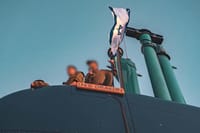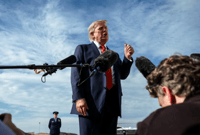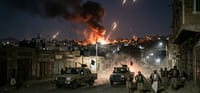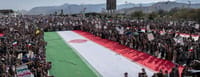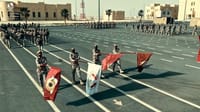
Despite a month-long internet blackout imposed by the regime, testimonies and footage are beginning to leak out of Iran, painting a picture of a government struggling to maintain a facade of control. As the war with Israel and the United States intensifies, the Islamic Revolutionary Guard Corps (IRGC) has resorted to extreme measures to protect its personnel and project an image of public support. Reports from the ground indicate that the regime is paying small groups of people roughly $50 a day and three meals to participate in orchestrated rallies in Tehran’s squares. Meanwhile, the security forces who once patrolled the streets with arrogance are now operating in the shadows, removing license plates from their vehicles and wearing masks to avoid being identified by intelligence agencies or local dissidents.
A Nation Turned into a Battlefield
The militarization of civilian life in Iran has reached unprecedented levels. In Tehran, school and university campuses have been repurposed as military parking lots, with heavy machine guns mounted on their rooftops. This blurring of the lines between civilian and military infrastructure has caused widespread fear among parents, who have been threatened by the government when they try to protest the placement of weapons near their children. In the religious center of Qom, the atmosphere is even more surreal; high-ranking clerics have reportedly stopped wearing their traditional robes in public and instead travel in unmarked vehicles flying the national flag to avoid becoming targets.
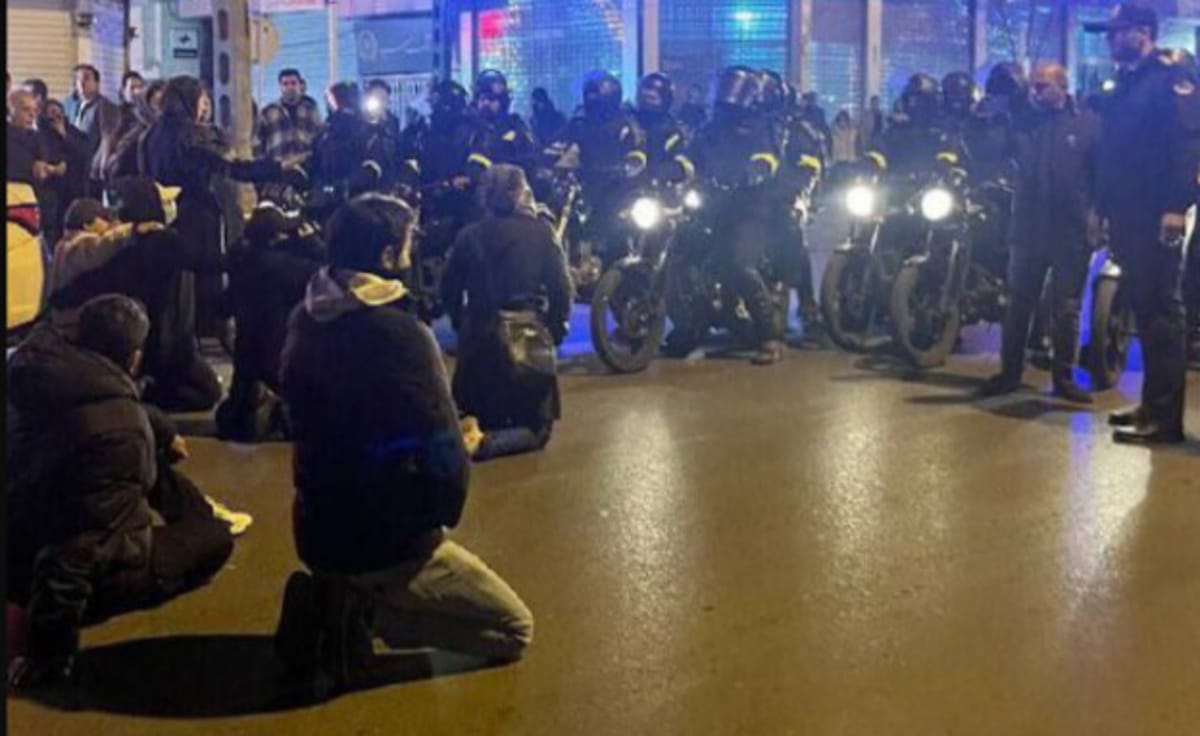
In cities like Shiraz, armed motorcycle units are being deployed to maintain order, while the regime hides its most valuable military assets in tunnels and under bridges to escape the reach of the Israeli Air Force. The economic resilience of the regime remains a point of concern for Western intelligence, as the government continues to pay salaries in cash and dollars even in the middle of bombarded cities. This suggests a deep level of strategic preparation for a "doomsday" scenario. However, the internal shift is clear; whereas three months ago the special forces moved with total impunity, they are now seen hiding in tents and improvised shelters, terrified of the precision strikes that have already wiped out much of their leadership.