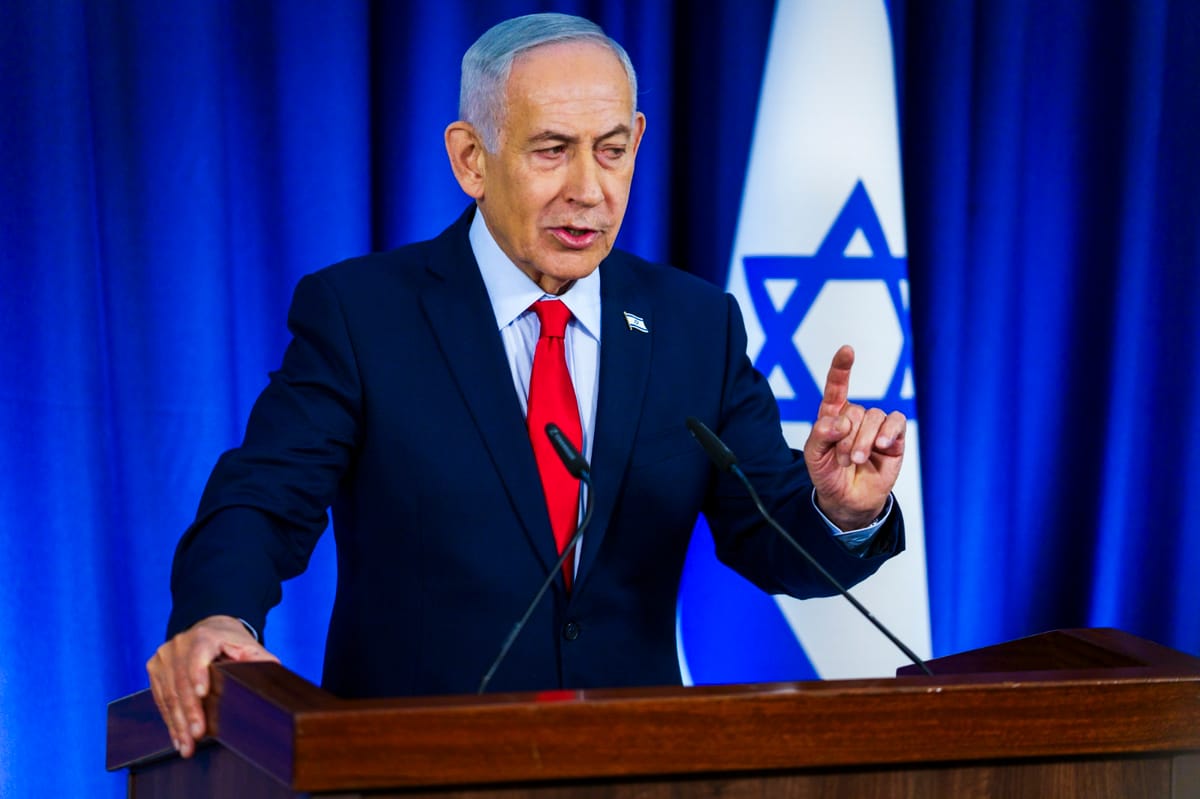
Prime Minister Benjamin Netanyahu said Israel will expand its security buffer zone in southern Lebanon, as IDF forces continue to push deeper into Hezbollah-held territory.
Speaking during a visit to Northern Command, Netanyahu said the move is intended to “fundamentally change the situation” along the northern border, where Israeli communities have faced sustained rocket and missile fire in recent weeks.
He said expanding the buffer zone would help push Hezbollah forces farther from the border and reduce the threat of anti-tank missile fire and infiltration attempts.
The IDF has already advanced into multiple areas across southern Lebanon, targeting positions from which Hezbollah has launched attacks. Military officials described a multi-layered approach, focusing first on border villages and then on deeper areas extending toward the Litani River.
Ground forces from the 146th Division have moved into strategic positions in the western sector, including areas near Ras al-Bayada, several kilometers north of the Israeli border, according to the military.
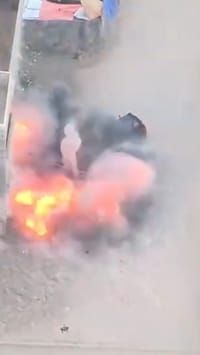
The IDF says it has killed multiple Hezbollah operatives in recent days, including in drone strikes and direct clashes. Troops have also uncovered weapons caches containing anti-tank missiles, grenades, and explosives.
Israeli airstrikes have targeted Hezbollah infrastructure across Lebanon, including weapons depots, launch sites, and operational sites in Beirut and the Beqaa Valley. The military also reported destroying a missile launcher prepared for immediate use.
Despite the operations, Hezbollah continues to fire rockets, though the IDF says the pace has declined from hundreds per day to dozens, with most fire now directed at Israeli forces inside Lebanon rather than civilian areas.
Netanyahu said Israel has seized the initiative in the conflict, arguing that Hezbollah, Iran, and Hamas have all been significantly weakened.
However, officials acknowledged that Hezbollah retains residual capabilities and remains a threat.
The expanded buffer zone is part of a broader strategy to prevent Hezbollah from reestablishing positions close to the border, as fighting continues alongside Israel’s parallel campaign against Iran.
Local leaders in northern Israel, who met with Netanyahu, pressed for stronger protections and a decisive outcome to the war. Some criticized the government afterward, saying the meeting failed to produce concrete results and calling for clearer long-term security measures.
The fighting in southern Lebanon has so far killed several IDF soldiers and over a thousand people in Lebanon, according to Lebanese authorities, though those figures do not distinguish between civilians and combatants.
Military operations in the area are ongoing.