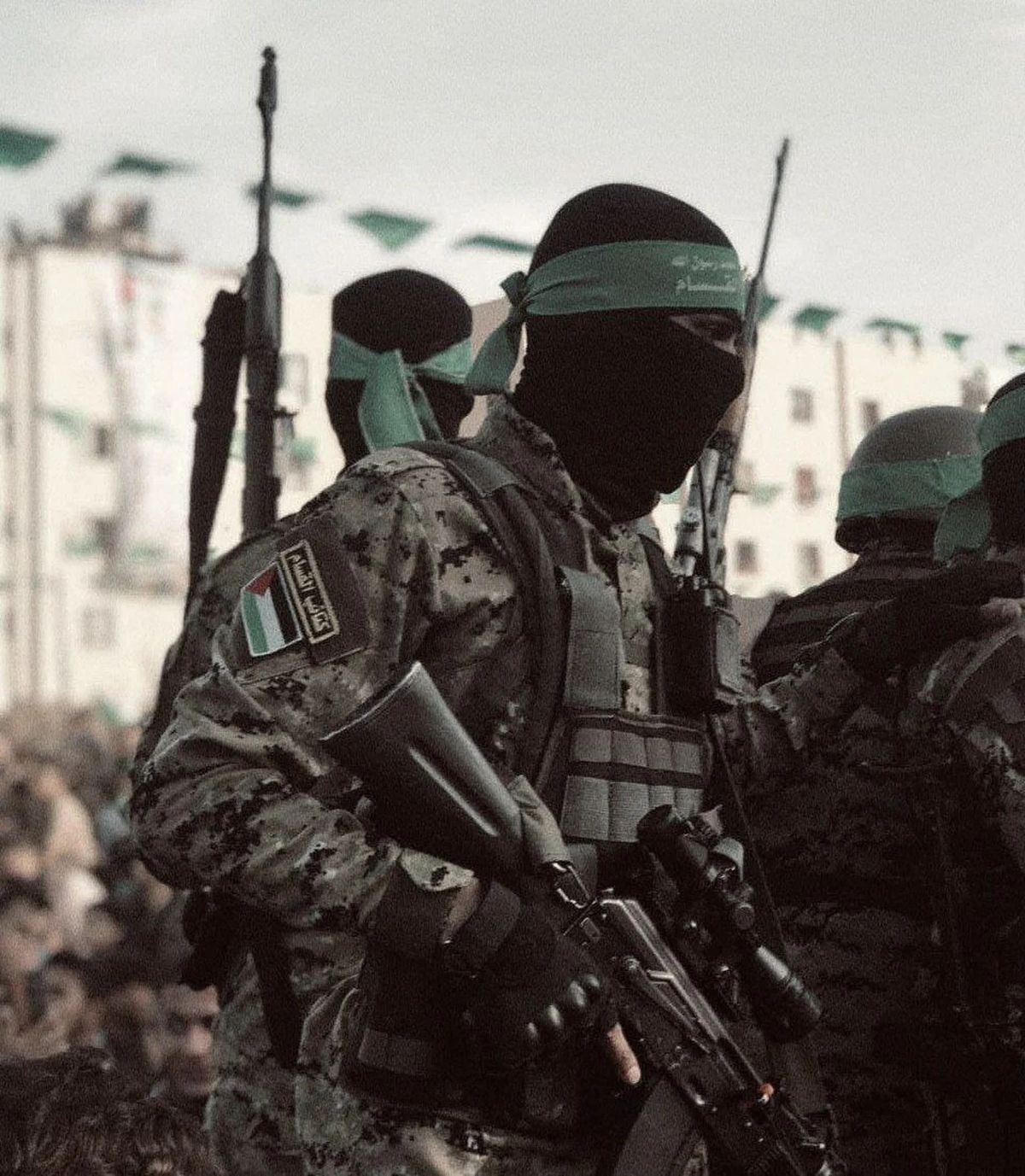
The success of the October 7 terrorist attack was predicated on a massive and intricate five-year intelligence operation led by the Hamas terrorist group’s dedicated military intelligence unit, which numbers about 2,500 terrorists. This unit systematically gathered a shocking level of detail on the Israeli Defense Forces (IDF) that ultimately surprised senior Israeli commanders, Army Radio reported.
According to IDF assessments, the sophisticated operation began in 2018. It involved the surveillance of nearly 100,000 soldiers and officers across social media platforms, extending far beyond public accounts.
Digital Infiltration and Sophisticated Tracking
Hamas employed sophisticated social engineering tactics to penetrate the IDF’s internal world. The terrorist group created numerous fake “avatar” profiles to infiltrate private accounts and even private WhatsApp groups, including those used by IDF combat recruits.
The monitoring was continuous and deeply focused. Hamas terrorists tracked individual recruits from the moment they enlisted, following their careers all the way up through promotions to senior roles like company commanders. This allowed them to build an almost complete operational picture of every platoon and battalion.
The Intelligence Picture: Bases and Deployments
Using thousands of cross-referenced posts, photos, and videos, Hamas produced daily reports detailing sensitive IDF information, including:
- IDF troop deployments
- Locations of Iron Dome batteries
- General troop movements
- The physical layout of military bases
- Details of emergency alert squads
- Locations of security cameras
- Armories
By meticulously compiling this vast trove of data, the terrorists created a detailed intelligence picture of the entire border region.
3D Replicas and VR Training
The intelligence was then used for highly detailed operational planning. Hamas purchased advanced simulation software and constructed full-scale physical replicas of IDF bases near Gaza inside the Strip.
These physical models and 3D simulations incorporated every detail of the soldiers' and commanders' routines. The elite Nukhba terrorists trained extensively on these replicas, utilizing virtual reality (VR) headsets to practice the precise infiltration routes and target locations.
Israeli commanders were reportedly aware of the existence of these models but were blindsided by their accuracy. A senior officer admitted the extent of the failure: "We never imagined how accurate they were."
The depth of the intelligence penetration was confirmed by an Air Force officer, who remarked about the base he had served on for years: "Hamas knew the base better than I did."