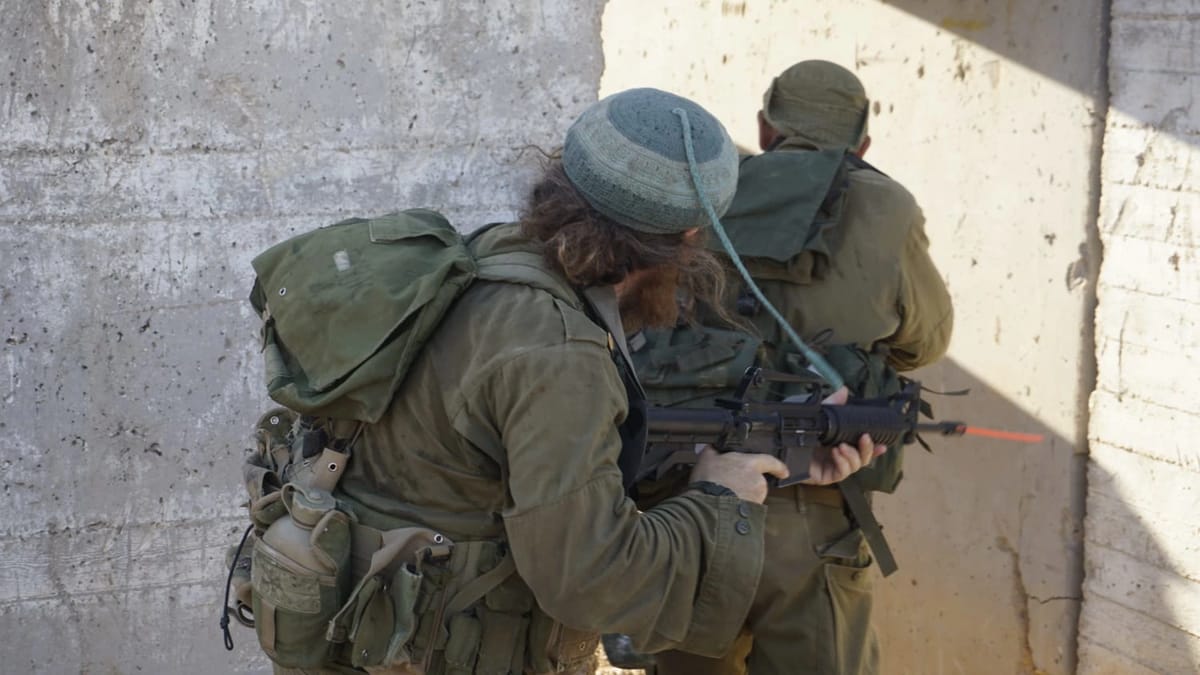
The seventh training cohort of the Halacha Be’Maaseh security program completed its course on Thursday in a ceremony in Elkana, marking another step in the initiative to prepare ultra-Orthodox and minority volunteers for community defense roles.
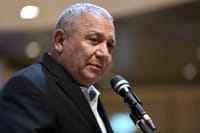
The program was launched in the early months of the war to address manpower shortages in local security units across Judea and Samaria, the Golan Heights and northern Israel. Maj. Gen. (res.) Pini Levy, who commands the project, said it was designed for men over 26 who had previously been exempt from service, with an emphasis on accommodating the needs of the ultra-Orthodox community. Training is short and intensive, structured to fit religious obligations without compromising operational standards.
The course maintains full kosher supervision, built-in prayer schedules and access to a mikvah for those who require it. Levy said the latest cohort showed strong motivation and described the atmosphere as focused and disciplined.
A commander in the course, identified as M, described the cohesion among participants. “A sense of mission and remarkable unity from every part of the population. I am glad I had the privilege to be part of it,” he said.
N, a soldier who took part in the training, said the program succeeded in balancing military structure with religious life. “During basic training, I felt how the drills, the weaponry and the discipline blended into a daily routine that respected prayer, learning time and a religious lifestyle,” he said.
The program has expanded beyond the ultra-Orthodox sector and now includes volunteers from minority communities. Druze recruits from the Golan Heights have joined recent cohorts, including some who did not previously hold standard Israeli identity cards. Levy said their participation reflects a broader shift in willingness to take part in national defense across several sectors.
Graduates from the seventh cohort will move into reserve security units responsible for defending their own communities and may later be assigned to additional combat-support roles. The ceremony in Elkana brought together commanders, community representatives and families to mark the conclusion of the course.
Levy said the initiative aims both to meet immediate security needs and to build a long-term framework enabling groups that traditionally did not serve to contribute in ways compatible with their lives. A new training cycle is expected to open in the south in the coming weeks.