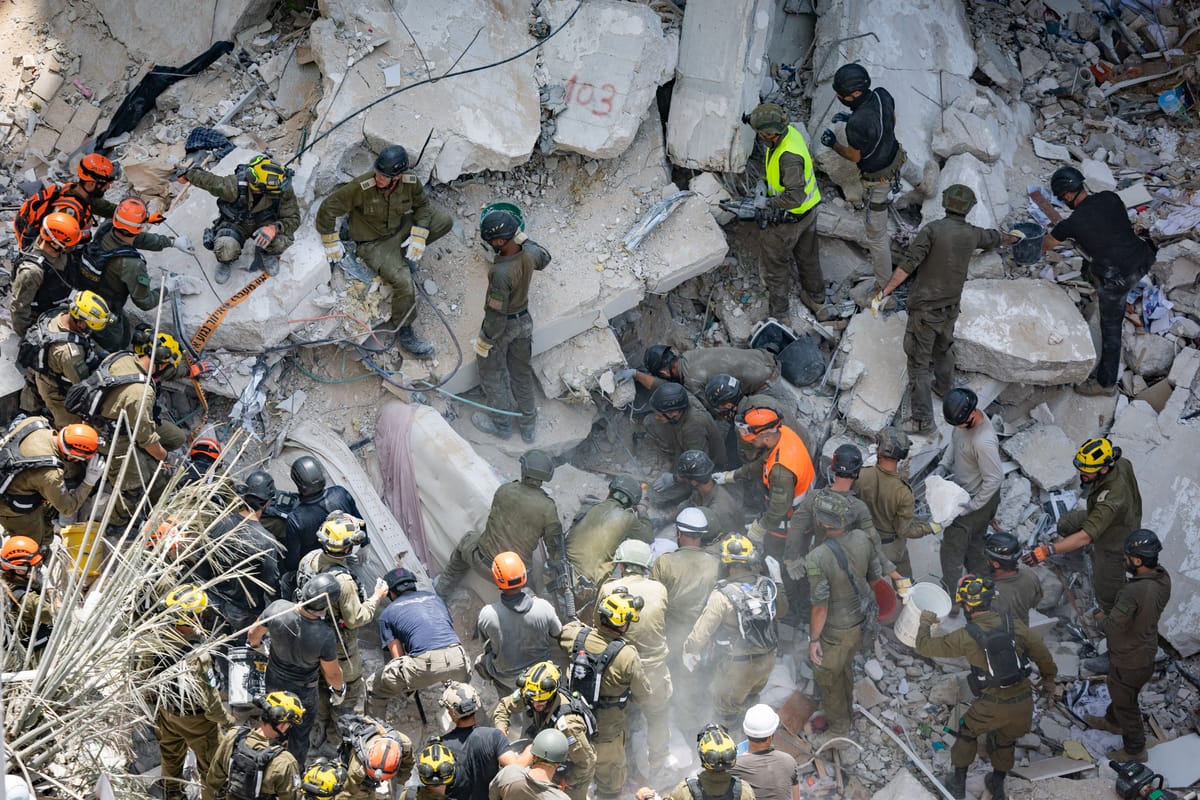
The Home Front Command has announced a significant update to Israel's national defense guidelines, moving all regions of the country from a "strict policy" to a "limited policy" starting Thursday, March 5, 2026, at 12:00 PM. These updated instructions, which follow a high level security assessment amid the ongoing war with Iran, are scheduled to remain in effect until Saturday, March 7, at 8:00 PM. While the changes allow for a cautious return to the workplace and small public gatherings, the educational system remains almost entirely paralyzed. Most importantly, security officials have introduced new, life saving protocols for how to act during an alarm, emphasizing that the threats posed by long range Iranian ballistic missiles require much stricter adherence to safety timing than the rocket fire previously seen from other fronts.
Employment and Public Gatherings
Under the new "limited policy," Israeli citizens are permitted to return to their places of employment provided that a standard protected space can be reached within the required defense window. This marks a shift toward restoring economic activity while maintaining a high level of vigilance. Public gatherings are now permitted for up to 50 people, but only in areas where a certified shelter is immediately accessible. There are specific exceptions to these rules, such as outdoor funerals, which are capped at 20 participants. Additionally, informal youth activities are allowed for up to 30 children, provided they take place inside a standard protected space and are accompanied by at least two adults.
Educational Restrictions and Shelter Selection
Despite the easing of workplace rules, formal educational activities remain prohibited across the country. The Home Front Command continues to prioritize the safety of students by keeping schools closed during this volatile period of the war. When selecting a protected space, authorities emphasize that a private or floor level bomb shelter (Mamad or Mamak) is the primary choice. If those are unavailable, a public shelter or an internal stairwell in a building with at least three floors is recommended. Citizens are strictly warned against using underground parking garages that have not been specifically approved, as these can become "death traps" due to the risk of collapse. Furthermore, bathrooms and kitchens should be avoided due to the danger of shattering ceramics and glass.
New Protocols for Ballistic Threats
The most critical change in the guidelines involves the behavior of citizens after an alarm sounds. Unlike the 10 minute wait time that was standard during wars with terrorists in Lebanon or Gaza, citizens must now remain in their protected spaces until an explicit "all clear" is given via the Home Front Command app. Officials explain that the release from shelters only happens after the security establishment confirms that no additional missile launches are expected. For those caught on the road, the instructions have also changed. Drivers must exit their vehicles and lie flat on the ground away from the road, but they are strictly forbidden from seeking cover under bridges. While bridges were used for cover in previous wars, a direct hit from a heavy Iranian missile on a bridge structure can be fatal for anyone underneath.
Two Stage Warning System
The Home Front Command has implemented a two stage alert system to give citizens more time to prepare. The first stage is a preliminary instruction issued when a missile launch from Iran is identified, warning specific broad areas that an alarm may sound within minutes. This is followed by the actual siren and a push notification on the mobile app, at which point citizens must enter the safest possible space. By following these updated instructions and remaining in shelters until officially released, the public can significantly reduce the risk of casualties as the military continues its operations deep within Iranian territory.