
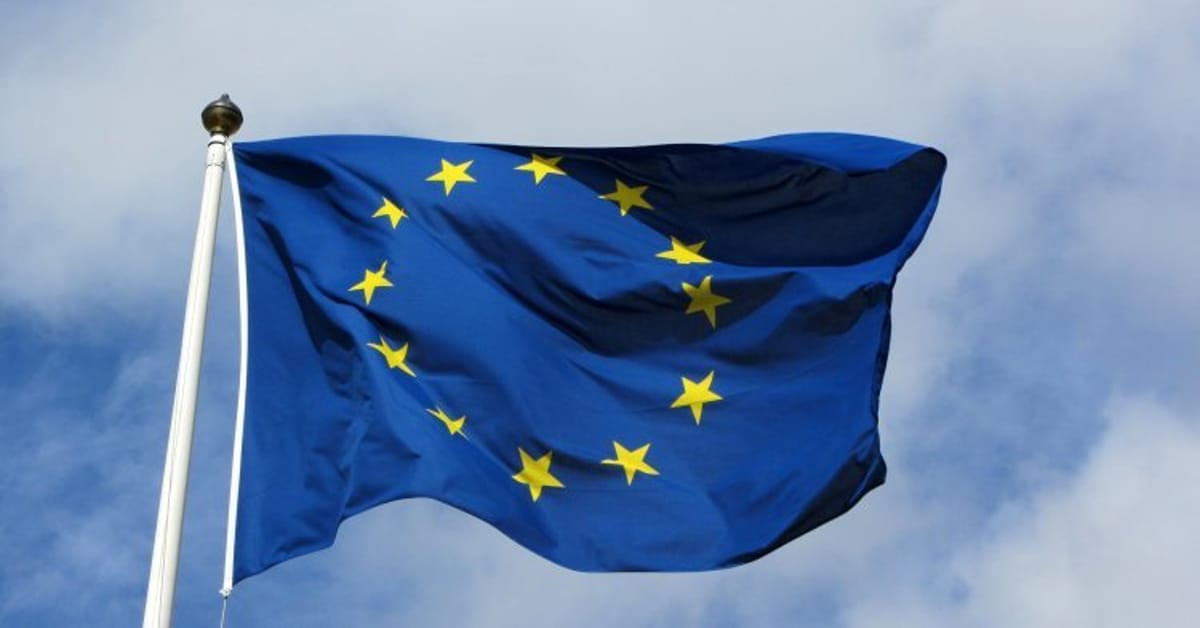
The European Union is moving closer to imposing new sanctions related to Judea and Samaria, according to a senior European official cited by N12, as Israel’s traditional diplomatic defenses in Brussels show signs of weakening.
Two measures are currently under discussion: sanctions on violent Israelis in Judea and Samaria and affiliated organizations, and a possible ban on imports from Israeli communities in the area into the EU.
According to the European official, the chances of sanctions passing have increased following the collapse of Hungary’s veto and a shift in the broader European mood.
“It seems more and more likely that sanctions against the settlements will be imposed in the near future, now that the Hungarian veto has fallen and there is a certain change of mood on the continent,” the official told N12. “Europe is tired of seeing what is happening in the West Bank, and wants to send a certain message to Israel.”
In other words, Brussels has found another way to turn Middle East complexity into paperwork, its most sacred institutional art form.
The move comes after Israel, with help from Italy and Germany, managed last week to block a more dramatic proposal to cancel the EU-Israel Association Agreement, which regulates relations between Israel and the European Union.
The first sanctions package, targeting violent Israelis and their organizations, is considered the more likely step. Dr. Maya Sion-Tzidkiyahu of the Mitvim Institute described it as the “lowest step” and said the measure is expected to happen, with the question being when. French Foreign Minister Jean-Noel Barrot has said it could be adopted “within days.”
EU foreign policy chief Kaja Kallas has said 26 member states already support the package, with Hungary the lone holdout. That obstacle may now be gone, following the defeat of Viktor Orban’s government and the expected rise of Peter Magyar, who has signaled a more pro-EU foreign policy and less automatic support for Israel.
The second measure, promoted by Sweden and France, would ban imports from Israeli communities in Judea and Samaria. Economically, such imports are relatively small for both Israel and Europe, but the move would carry clear diplomatic weight and could hurt some businesses directly.
The next meeting of EU foreign ministers is scheduled for May 11, when at least one of the measures could move forward.
For Israel, the larger concern is the erosion of what had been a reliable blocking group in Europe: Hungary, Italy, Germany and the Czech Republic. Those countries remain friendly to Israel, but less automatically than before, making the diplomatic terrain in Brussels more difficult.