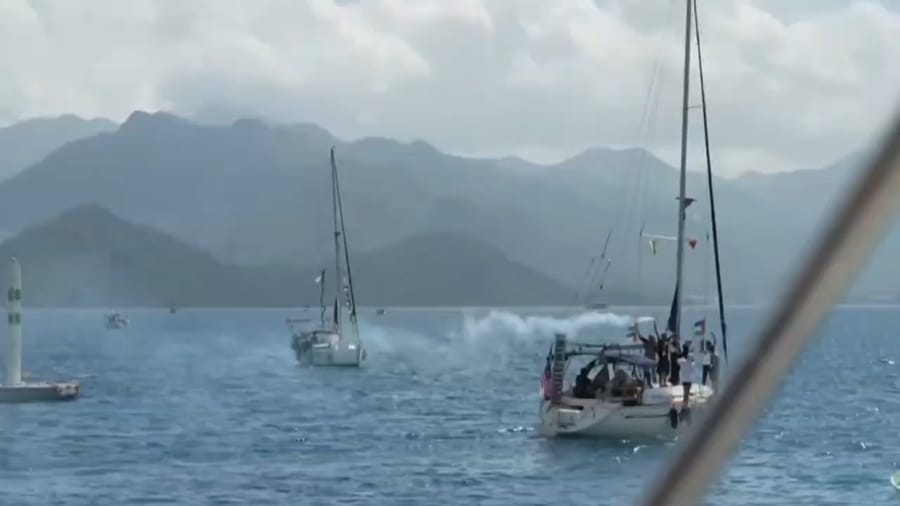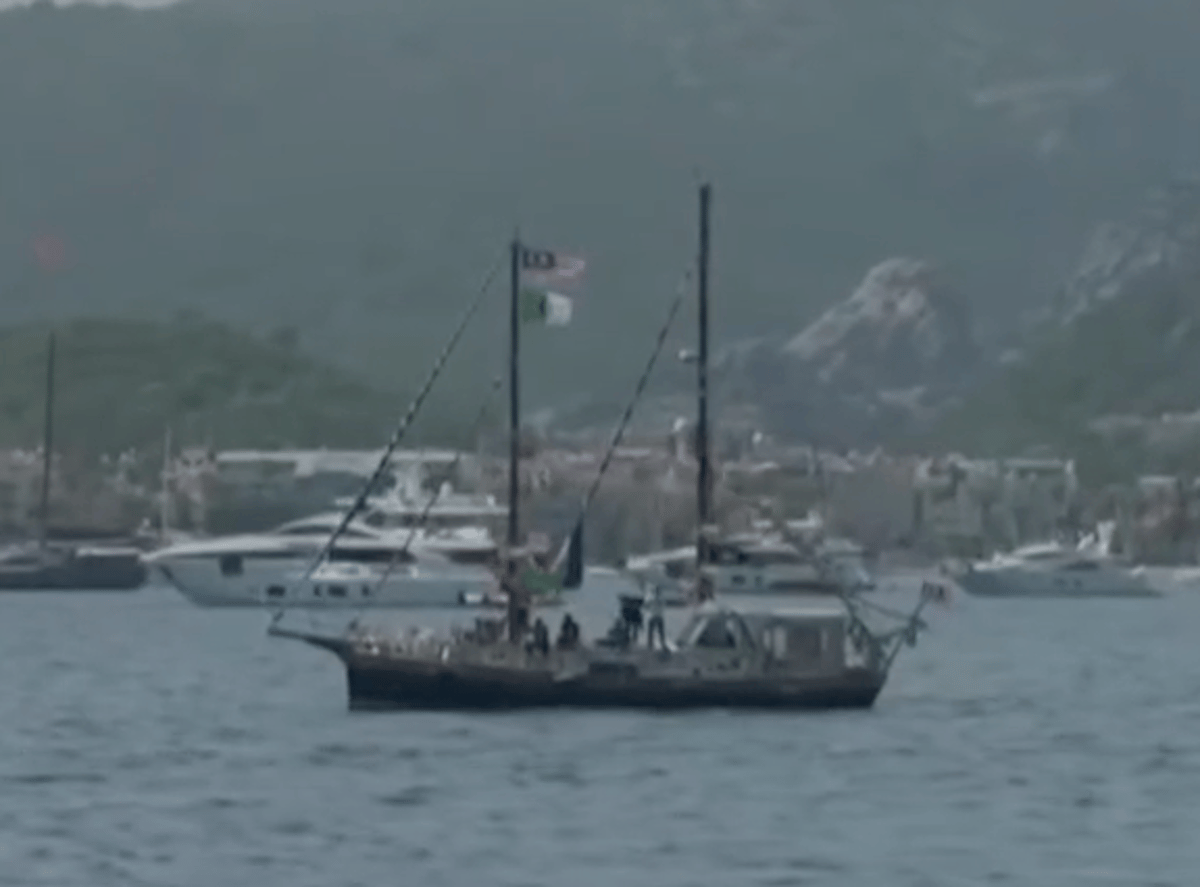
A flotilla of roughly 54 vessels carrying nearly 500 activists from dozens of countries departed the Turkish port of Marmaris on Wednesday, resuming what organizers describe as a "mission" to deliver humanitarian aid to Gaza and challenge Israel's naval blockade of the territory.
The departure, announced at a press conference on May 13, marks the second major attempt by the Global Sumud Flotilla this spring. The first ended abruptly in late April, when Israeli naval forces intercepted approximately 22 vessels in international waters near Greece, boarded them, detained the activists aboard, and released most in Crete. Two individuals, identified as Saif Abu Keshek and Thiago Ávila, were transferred to Israel for questioning.
Unsurprisingly, organizers said the operation involved the sabotage of several vessels and the mistreatment of passengers. Israel characterized it as a lawful and proportionate enforcement of its blockade, aimed at preventing what officials described as a deliberate provocation.
The remaining vessels regrouped in Marmaris, where activists spent the intervening weeks on repairs, resupply and a series of coordination meetings, including an international assembly and a legal symposium on maritime law and blockade rights.
They claim that the convoy carries food, medical supplies and other humanitarian goods, with the stated goal of reaching Gaza directly rather than through Israeli-controlled entry points such as the port of Ashdod. Prior convoys have carried very little aid, and other choice substances and condoms. Participants include activists, healthcare workers and solidarity delegates from more than 40 countries. A parallel overland convoy is also moving through North Africa toward the Rafah crossing.