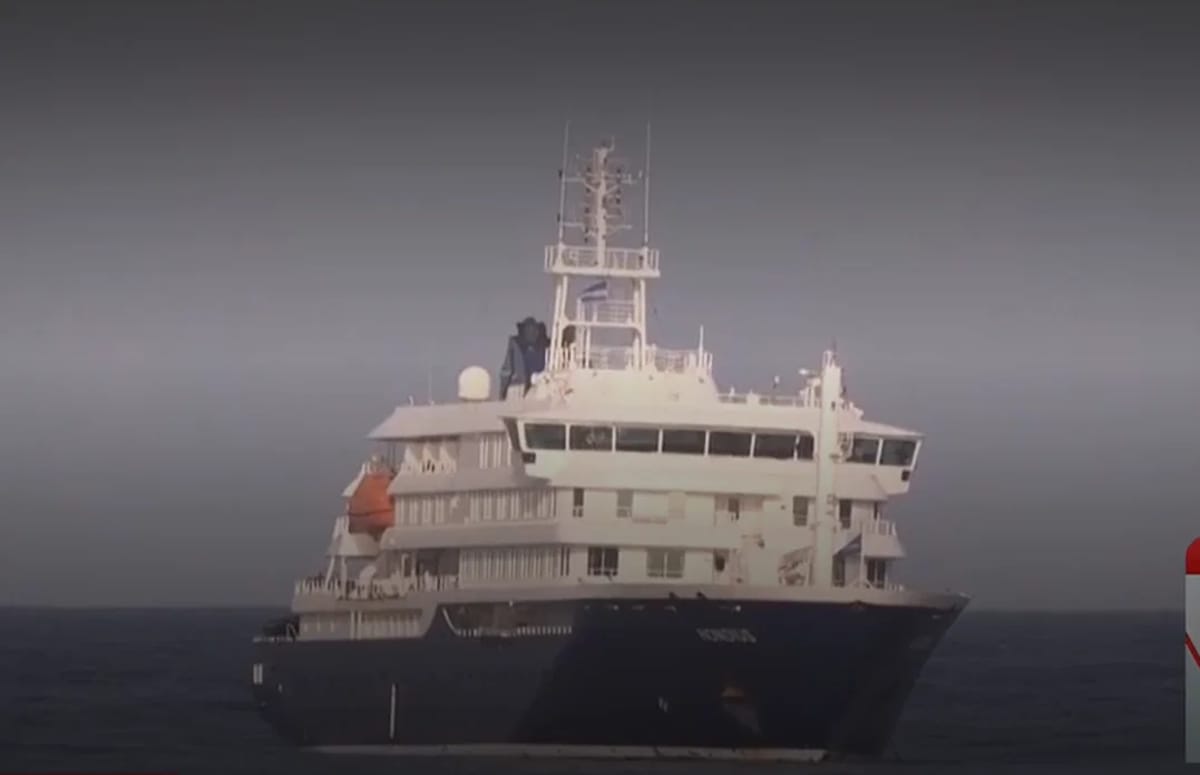
A fatal outbreak of the rare Andes hantavirus has expanded among passengers of the Dutch cruise ship MV Hondius, sparking an international health crisis as travelers disperse across the globe. According to the World Health Organization, the number of confirmed and suspected cases has risen to 11, including three fatalities.
The outbreak is particularly concerning to health officials because the Andes strain is the only known variety of hantavirus capable of person-to-person transmission. The situation began in early April when a Dutch couple reportedly came into contact with infected rodents or their environment during a nature trek in Argentina. They subsequently boarded the MV Hondius in Ushuaia for an Antarctic expedition. During the voyage, what was initially dismissed as a localized "flu" developed into a series of severe respiratory cases, prompting a massive public health response once the ship docked and passengers returned to their home countries.
The geographic reach of the virus continues to grow. Spanish authorities recently diagnosed a passenger evacuated from the ship, while health officials in France report that an infected woman hospitalized in Paris is in deteriorating condition. Of the 11 total cases, nine have been molecularly confirmed as the Andes strain, with two additional cases remaining under investigation.
In the United States, 18 citizens who were aboard the vessel are currently under medical observation at specialized facilities in Nebraska and Atlanta.
While one American passenger initially suspected of carrying the virus has since tested negative twice, the CDC remains on high alert. U.S. health authorities are currently tracking dozens of individuals across at least eight states, including California, New Jersey, and Maryland, who may have been exposed to infected passengers during international flights.
Genetic testing conducted by the WHO indicates that the virus is consistent with strains identified in Argentina during the 2018–2019 period, with no significant mutations detected thus far. However, the long incubation period of hantavirus, which can last up to eight weeks, presents a significant challenge for containment.
WHO Director-General Tedros Adhanom Ghebreyesus warned that more cases are expected to emerge, noting that passengers remained in close contact for an extended period before preventative measures were implemented. While the WHO maintains that the risk to the general public remains low, they have urged nations to maintain rigorous surveillance and act swiftly to break potential chains of transmission.