The Fatwa That Changed Everything

Iran's Nuclear Fatwa: The Religious Decree That Kept Tehran From Building the Bomb

Ali Khamenei issued religious ruling prohibiting atomic weapons • Internal pressure mounted for years to reverse doctrine | The ideological barrier that shaped Iran's nuclear policy (World News)

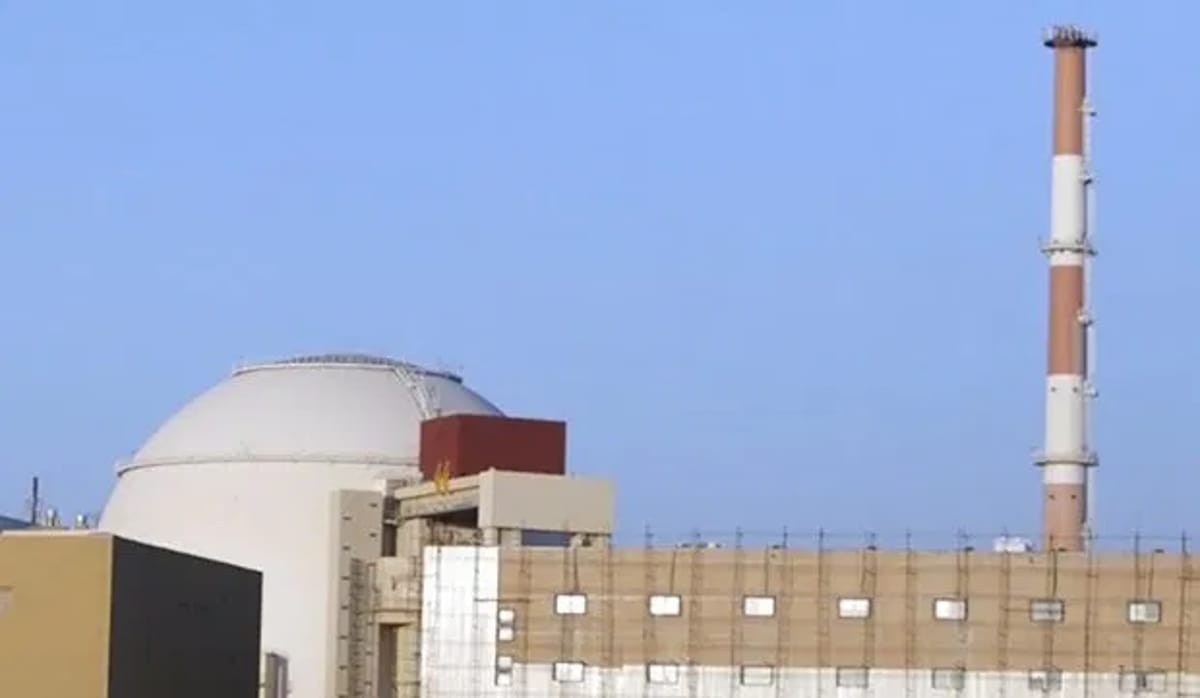
Busher nuclear plant
Busher nuclear plant (By Hossein Heidarpour - https://upload.wikimedia.org/wikipedia/commons/3/33/Rouhani_and_Salehi_in_Bushehr_Nuclear_Plant_%281%29.jpg, CC BY-SA 4.0, https://commons.wikimedia.org/w/index.php?curid=126961478))

For decades, a single religious decree stood between the Islamic Republic of Iran and the development of nuclear weapons. According to a recent CNN opinion piece, ex-Supreme Leader Ali Khamenei resisted sustained internal pressure to pursue atomic weapons, going so far as to issue a fatwa explicitly prohibiting such development.

The religious ruling represented a fundamental ideological position that separated uranium enrichment for civilian purposes from the actual production of a nuclear bomb. Despite mounting calls from hardline factions within the regime, Khamenei maintained this distinction throughout his leadership, refusing to cross what he viewed as a moral and religious boundary.
The Fatwa's Strategic Significance

The fatwa issued by the former Supreme Leader carried immense weight within Iran's theocratic system. As the highest religious authority in the country, Khamenei's pronouncement that nuclear weapons violated Islamic principles effectively created a doctrinal barrier that even the most hawkish elements of the Revolutionary Guard found difficult to challenge openly.

According to recent reports from senior Iranian sources, this religious decree became a focal point of internal debate, particularly following Khamenei's assassination on February 28 at the onset of the current conflict. The power vacuum created by his death has emboldened hardline factions who previously felt constrained by the fatwa's authority.

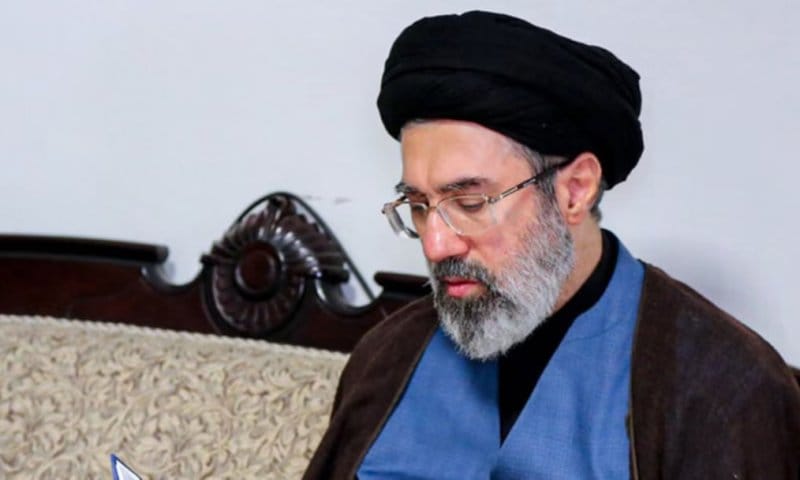
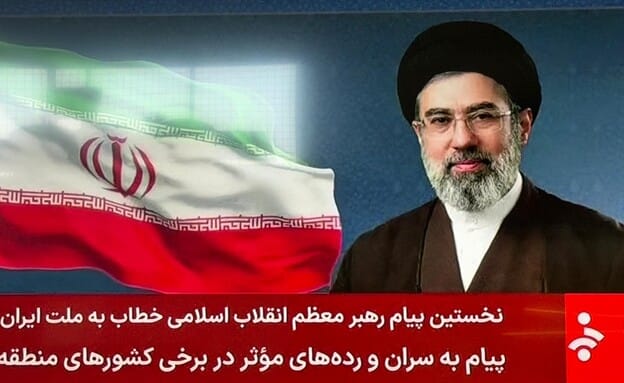
Mojtaba Khamenei, New supreme leader

Growing Pressure to Reverse Course

The internal consensus that once supported restraint has begun fracturing in recent weeks. Intelligence assessments indicate that the Islamic Revolutionary Guard Corps has consolidated significant influence in the leadership vacuum, bringing hawkish nuclear stances to the forefront of national conversation.

While no official decision has been made to abandon the current doctrine or produce a bomb, influential voices within the conservative establishment are now publicly questioning whether the fatwa remains binding under the new Supreme Leader, Mojtaba Khamenei. The younger Khamenei, who assumed power after his father's death, lacks both the religious authority and political capital to enforce such a controversial decree.

Senior Iranian sources noted that significant elements within the establishment are arguing that the strategic landscape has fundamentally changed. The ongoing conflict with the United States and Israel, combined with recent strikes on Iran's nuclear facilities, has strengthened the position of those advocating for a formal shift in nuclear policy.

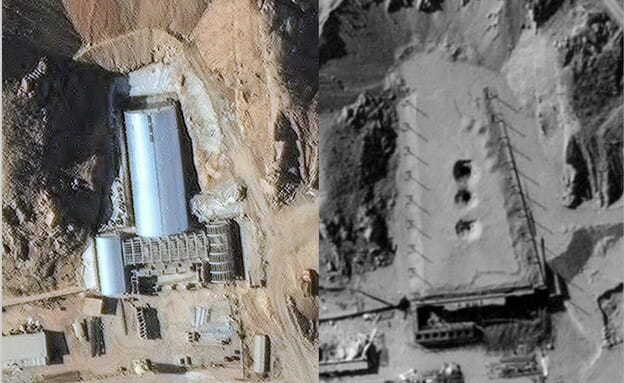
Iran's secret nuclear site 'Taleghan'
Iran's secret nuclear site 'Taleghan' (Photo: vantortech)

In fact, MEMRI reported that Sadek Al-Naboulsi said, “There is no prohibition in Islamic law against producing nuclear weapons as a deterrent; firing 2,000 km-range missile is the first step.”

The Religious Debate Over Nuclear Weapons

The theological arguments surrounding nuclear weapons in Shiite Islam remain complex and contested. The former Supreme Leader's fatwa drew on Islamic principles prohibiting weapons of mass destruction and the killing of innocent civilians. However, hardline clerics have begun advancing counter-arguments, suggesting that defensive nuclear capability does not violate these principles if it serves to protect the Islamic Republic from existential threats.

This debate has taken on new urgency as the regime faces unprecedented military pressure. The question of whether the fatwa can be reinterpreted, modified, or simply ignored under the current leadership has become a central issue in Tehran's corridors of power.

The ideological barrier that once seemed insurmountable is now being openly challenged by those who view nuclear weapons as essential for regime survival.
Mojtaba Khamenei
Mojtaba Khamenei

International Implications

The potential erosion of the fatwa's authority carries profound implications for regional security and international diplomacy. Western intelligence agencies have long viewed the religious decree as one of the few genuine constraints on Iran's nuclear ambitions, even as they remained skeptical about the regime's ultimate intentions.

The current situation represents a critical juncture. With the former Supreme Leader's death removing the primary enforcer of the nuclear weapons ban, and with the Revolutionary Guard wielding unprecedented influence over decision-making, the ideological foundation that prevented Iran from pursuing a bomb for decades may no longer hold.

Ready for more?

Join our newsletter to receive updates on new articles and exclusive content.

We respect your privacy and will never share your information.