Two Iranian protesters who survived a violent government crackdown earlier this year say public anger remains high and could lead to renewed unrest, according to interviews conducted from Tehran.
Both individuals, who spoke anonymously due to fear of reprisals, described widespread frustration with the regime and said many citizens are waiting for an opportunity to return to the streets.
One woman, 43, said the scale of violence during the January protests left a lasting impact. She described scenes of severe casualties and said the crackdown was “the most brutal imaginable.”
A second protester, a 37-year-old tattoo artist, said security forces fired indiscriminately during the demonstrations. “They didn’t really care if someone was part of the protest or just passing by,” he said.
Estimates cited by the protesters suggest tens of thousands were killed during the unrest, though such figures have not been independently verified.
Both said anger toward the Islamic Revolutionary Guard Corps has intensified since the crackdown. They described a population that remains fearful but deeply resentful of the authorities.
The protesters also said that ongoing US and Israeli strikes against Iran’s leadership and military infrastructure have affected public sentiment inside the country. They claimed that many people view the weakening of the regime as an opportunity for change, though such views are difficult to measure independently.
According to their accounts, daily life in Tehran has been significantly disrupted by the conflict. Schools and workplaces have been affected, and residents often rely on the sound of explosions rather than warning systems to seek shelter.
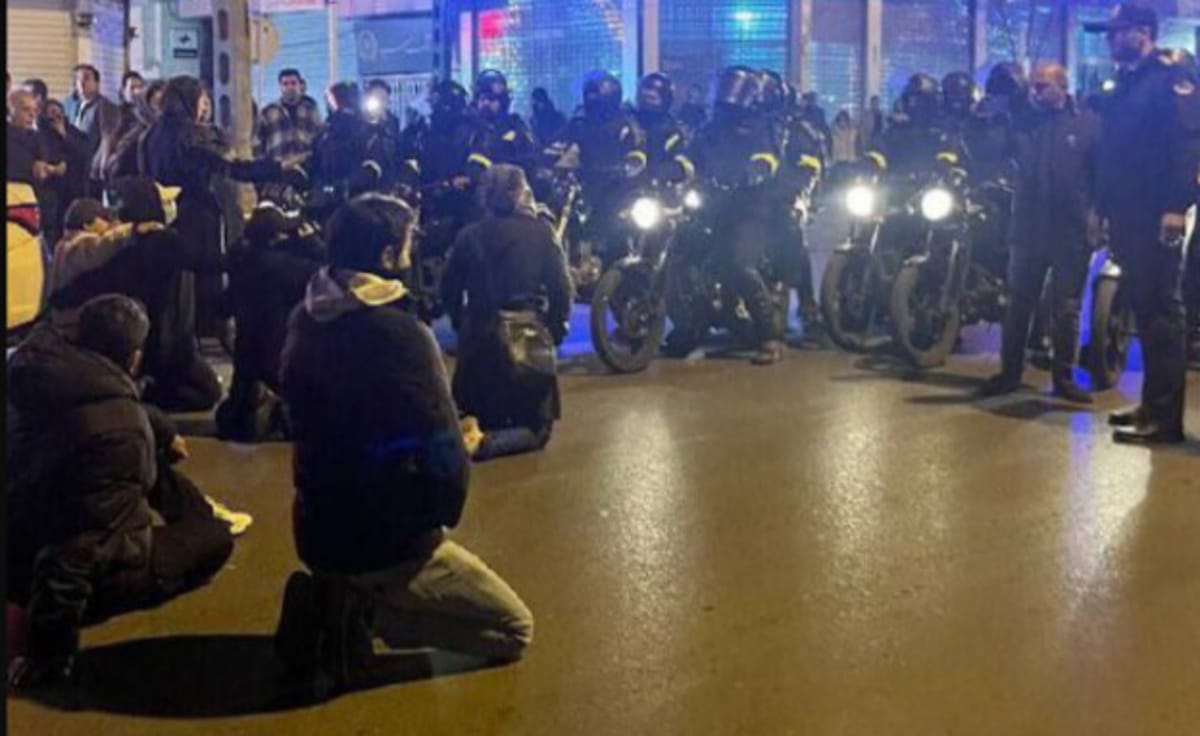
They also described an increased security presence in the streets, with authorities warning residents against gathering or protesting.
Despite the risks, both interviewees said they believe further protests are likely if conditions allow. They pointed to a sense of anticipation among some segments of the population, though they acknowledged that fear of repression remains a major factor.
The accounts offer a glimpse into conditions inside Iran as the conflict continues, though they could not be independently confirmed.