Police in London arrested 523 people during a protest in Trafalgar Square on Saturday opposing the British government’s designation of the activist group Palestine Action as a terrorist organization.
According to London’s Metropolitan Police, those detained were arrested for showing support for a “proscribed organization,” which is a criminal offense under UK law. The force said the demonstration marked a significant enforcement action tied to the group’s legal status.
The protest was the first major gathering since the High Court ruled in February that the government’s decision to ban Palestine Action was unlawful. Despite that ruling, Interior Minister Shabana Mahmood has been granted permission to appeal, leaving the group’s status in legal limbo.
Palestine Action was originally banned last July under anti-terrorism legislation after some of its members broke into a Royal Air Force base, an incident that prompted lawmakers to classify the group as a security threat. The organization has framed its activities as direct action against what it describes as British complicity in Israeli military operations in Gaza.
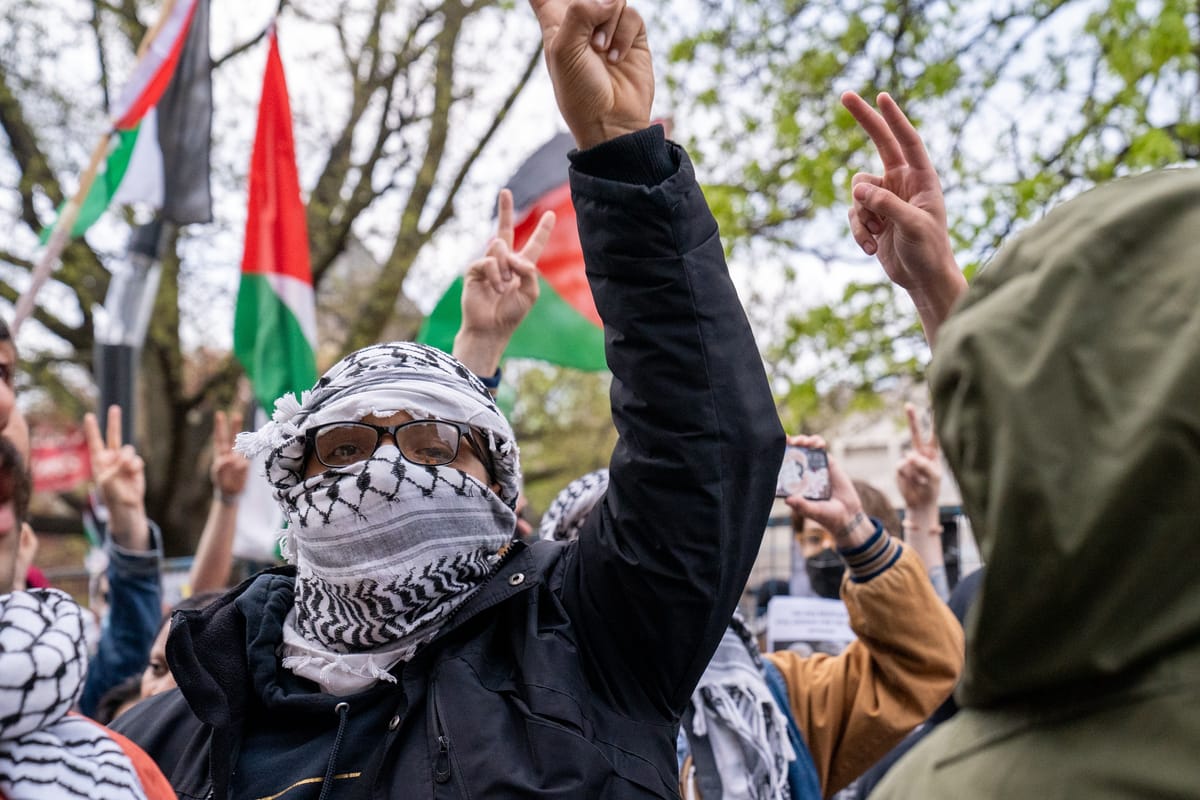
At Saturday’s protest, participants held placards, waved Palestinian flags, and wore keffiyehs, with many sitting in the square in a largely static demonstration. Police moved in to make arrests as protesters openly expressed support for the banned group, triggering enforcement under existing counterterror laws.
The scale of the arrests highlights the ongoing tension between civil liberties and national security policy in the UK, particularly as courts and the government continue to clash over the legality of the ban.
The situation remains unresolved pending the outcome of the government’s appeal, with further protests and legal challenges expected in the coming weeks.