Trump's Iran Dilemma: Why Ending the War Now Could Be His Biggest Mistake
Intelligence agencies assess fallout of unilateral withdrawal • Naval blockade costs Tehran $500M daily, but American public support collapses | The high-stakes gamble that could reshape the Middle East (World News)

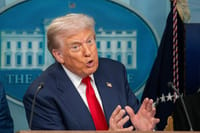
President Donald Trump finds himself trapped in a strategic paradox of his own making. Two months into a conflict he initiated against Iran, the administration is quietly exploring exit strategies, even as the naval blockade in the Strait of Hormuz inflicts unprecedented economic damage on Tehran. The question haunting the White House isn't whether Trump wants to end the war, but whether he can afford to walk away without handing Iran a strategic victory.
According to Reuters, U.S. intelligence agencies are conducting assessments at the request of senior administration officials, examining how Iran would respond if Trump declares a unilateral victory and begins withdrawing American forces. The very existence of such analysis reveals the depth of the administration's predicament: a war that was supposed to be swift and decisive has instead become a political liability threatening Republican prospects in upcoming midterm elections.
The Blockade's Brutal Effectiveness (And Its Political Cost)
The U.S. naval blockade has proven devastatingly effective in economic terms. CENTCOM reports intercepting 42 vessels, cutting off approximately $6 billion in Iranian oil exports. Tehran faces losses estimated at $500 million daily, forcing the regime to reactivate derelict storage tanks and explore desperate alternatives like shipping crude oil to China by rail, a high-cost, low-volume workaround that underscores Iran's maritime paralysis.
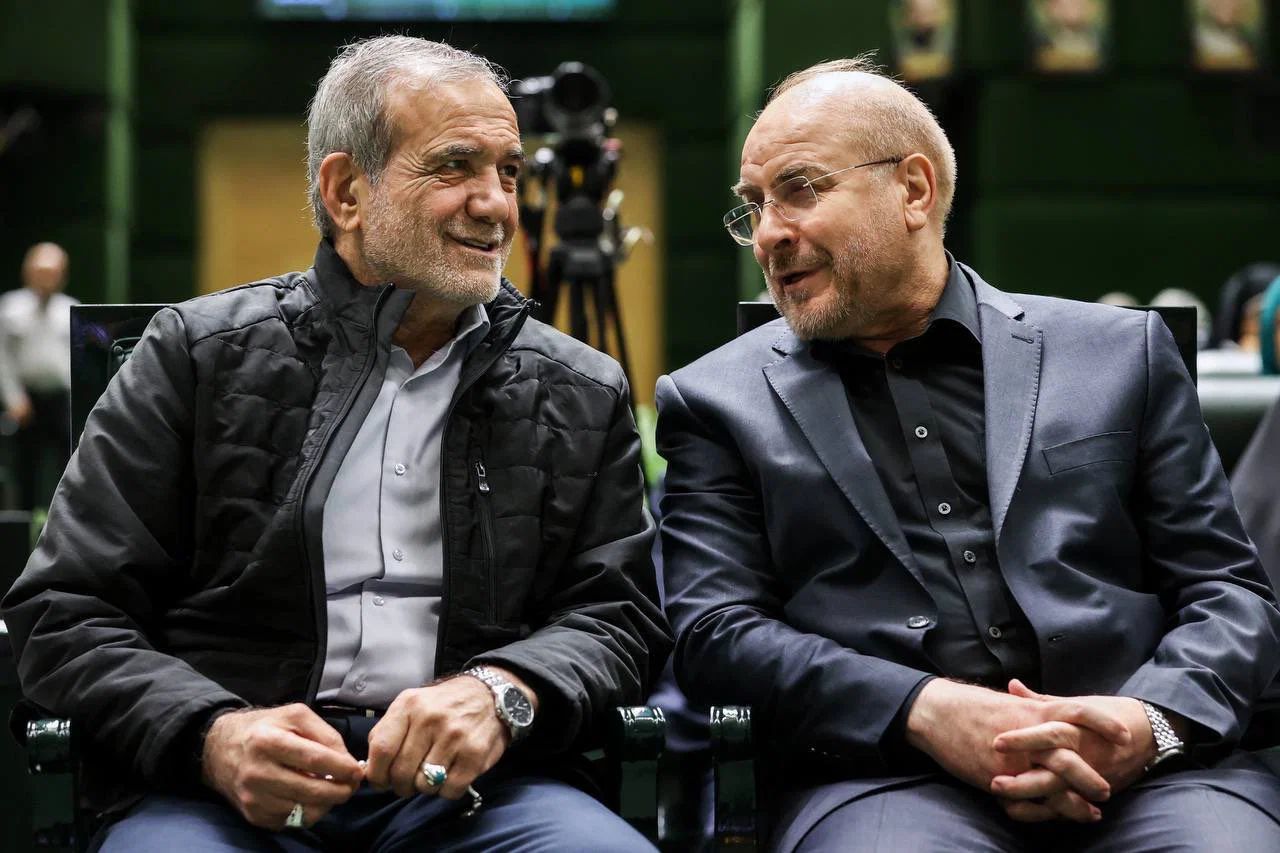
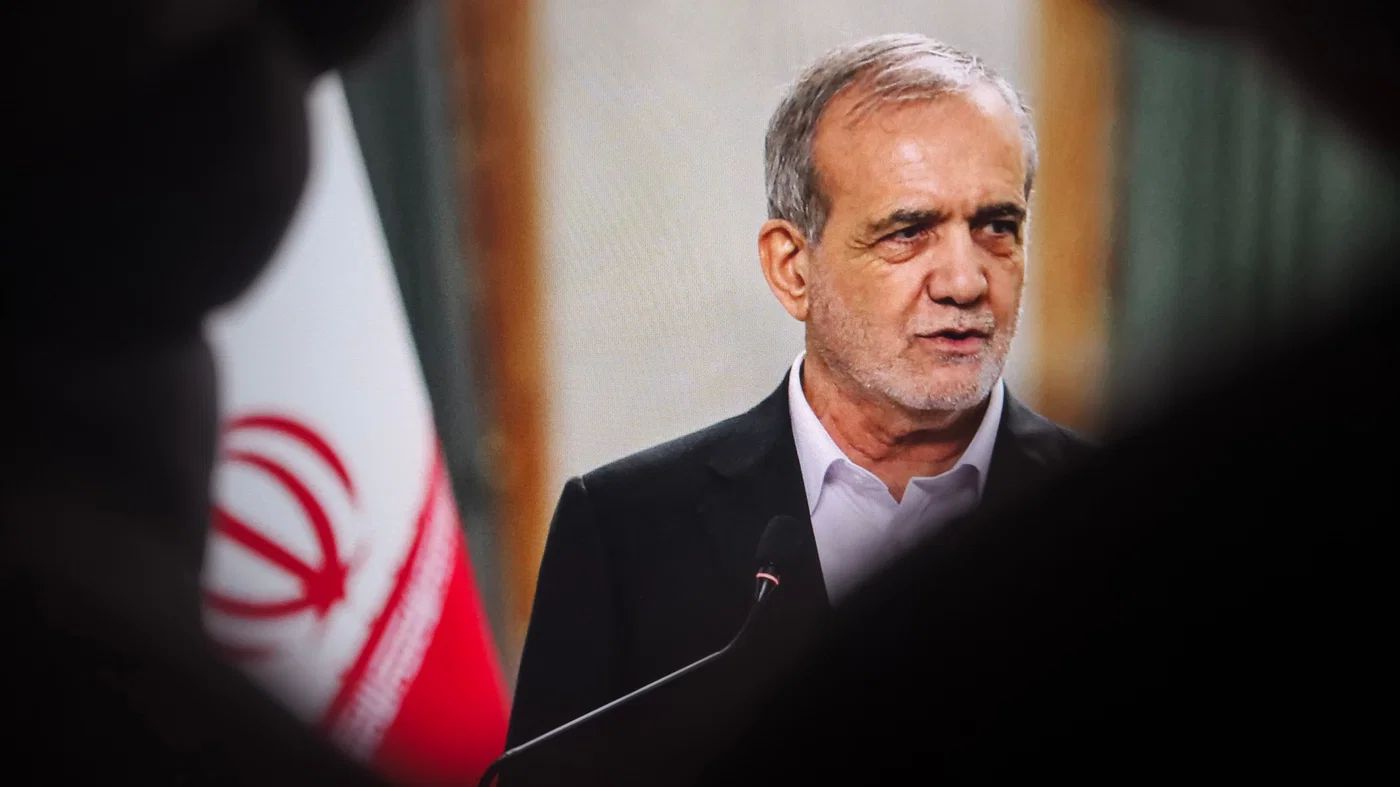
Iranian President Masoud Pezeshkian's defiant rhetoric, declaring the blockade "doomed to failure" and insisting regional security must come from within, cannot mask the economic suffocation his country endures. Yet this tactical success has come at a steep political price for Trump. Public support for the operation has collapsed to just 26 percent, according to polling data cited in intelligence briefings.

The Strategic Trap: Hormuz Under Iranian Control
Here lies the central paradox: if Trump withdraws American forces now, he risks leaving Iran in de facto control of the Strait of Hormuz—the critical chokepoint through which roughly 20 percent of global oil supplies transit. Such an outcome would represent a worse strategic position than existed before the conflict began, effectively rewarding Tehran for weathering the storm.
War Secretary Pete Hegseth attempted to draw distinctions between this operation and past "forever wars" during a contentious House Armed Services Committee hearing. When Rep. John Garamendi characterized the Iran campaign as a "quagmire," Hegseth fired back sharply: "You sit there on CNN handing propaganda straight to our enemies. Shame on you for calling this a quagmire two months in!" Yet Hegseth's passionate defense cannot alter the fundamental calculation: the American public wants out, regardless of strategic consequences.

Military Options Remain on the Table
Even as exit strategies are explored, the administration continues preparing escalation options. Admiral Brad Cooper, Commander of U.S. Central Command, recently briefed Trump on plans for a "short and powerful" strike campaign targeting Iranian infrastructure, potentially including Special Forces operations to secure enriched uranium stockpiles. The briefing, which included General Dan Kane, Chairman of the Joint Chiefs of Staff, reflects the administration's desire to maintain maximum pressure while negotiations remain deadlocked.
Iranian officials have responded with increasingly dire warnings. Mohsen Rezaee, a senior regime figure, cautioned that any ground invasion would result in "mass captivity" of American troops. Parliament Speaker Mohammad Baqer Qalibaf claimed that U.S. "conspiracies" have failed from "day one," accusing Trump of attempting to divide Iran while using the blockade to force surrender.

The Midterm Calculation
The intelligence community's assessment focuses heavily on political implications. Administration officials worry that continued military engagement could contribute to significant Republican losses in midterm elections later this year. This domestic political pressure creates an incentive structure that favors declaring victory and withdrawing—regardless of whether strategic objectives have been achieved.
Yet such a withdrawal carries profound risks. Iran has demonstrated resilience under pressure, adapting to sanctions and blockades while maintaining its regional influence network. A premature American exit could embolden Tehran, validate its strategy of outlasting U.S. pressure campaigns, and leave the Strait of Hormuz effectively under Iranian control—a strategic asset worth far more than the economic pain currently being inflicted.

The Uncomfortable Truth
Trump's frustration with stalled negotiations is palpable, but his desire to end the conflict doesn't alter the strategic reality. The American public may be war-weary, but ending the Iran operation now, with Tehran battered but unbowed, and the Strait of Hormuz still contested, would represent a strategic defeat dressed up as tactical victory.
The President faces an unenviable choice: continue a deeply unpopular military operation that threatens his party's electoral prospects, or withdraw and accept that Iran has successfully weathered American maximum pressure while retaining control over one of the world's most critical maritime chokepoints. Either path carries significant costs. The question is which price Trump is willing to pay and whether he can convince the American people that strategic patience serves their long-term interests better than immediate withdrawal.
As intelligence agencies complete their assessments and military planners refine strike options, one reality becomes increasingly clear: Trump initiated this conflict believing he could force Iran to capitulate quickly. Instead, he has discovered what previous administrations learned, that Tehran plays a longer game than American electoral cycles permit, and that controlling the Strait of Hormuz gives Iran leverage that economic pain alone cannot break.