Ben Gvir Turns to Shin Bet: The Desperate Move Against Tel Aviv's SSQ Gang
National Security Minister requests intelligence agency intervention as police struggle with migrant youth gang • SSQ's violent evolution from vandalism to armed robbery shocks authorities | The unprecedented request that reveals the depth of the crisis (Crime & Justice)

In an unprecedented move, National Security Minister Itamar Ben Gvir has formally requested assistance from the Shin Bet security service to combat the notorious SSQ gang operating in southern Tel Aviv. The request, made to Shin Bet chief Ronen Bar within recent days, represents a dramatic escalation in the government's response to organized youth crime that has plagued the city for years.
According to reports by Ynet correspondent Liran Tamari, Ben Gvir urged the intelligence agency to "get into the thick of it," stating: "We've launched an all-out war and need to ensure we have sufficient forces for this battle. The police are doing everything in their power to address the phenomenon, but we need to uproot it from its source."
The appeal comes as the SSQ gang, an acronym for Shapira Squad, named after the Tel Aviv neighborhood where it originated, has returned to headlines following a brutal assault on a young woman in southern Tel Aviv. Video footage showing gang members viciously beating the victim and breaking her teeth circulated widely on social media, sparking renewed public outcry over the escalating violence.
From Vandalism to Violent Crime
The SSQ's transformation from a neighborhood nuisance into a sophisticated criminal organization has alarmed law enforcement officials. What began nearly a decade ago as minor graffiti and petty vandalism has evolved into a dangerous entity engaged in property crimes, drug trafficking, armed robbery, and increasingly violent assaults. The gang is composed almost entirely of children of illegal migrants and foreign workers, many of whom lack formal legal status in Israel.
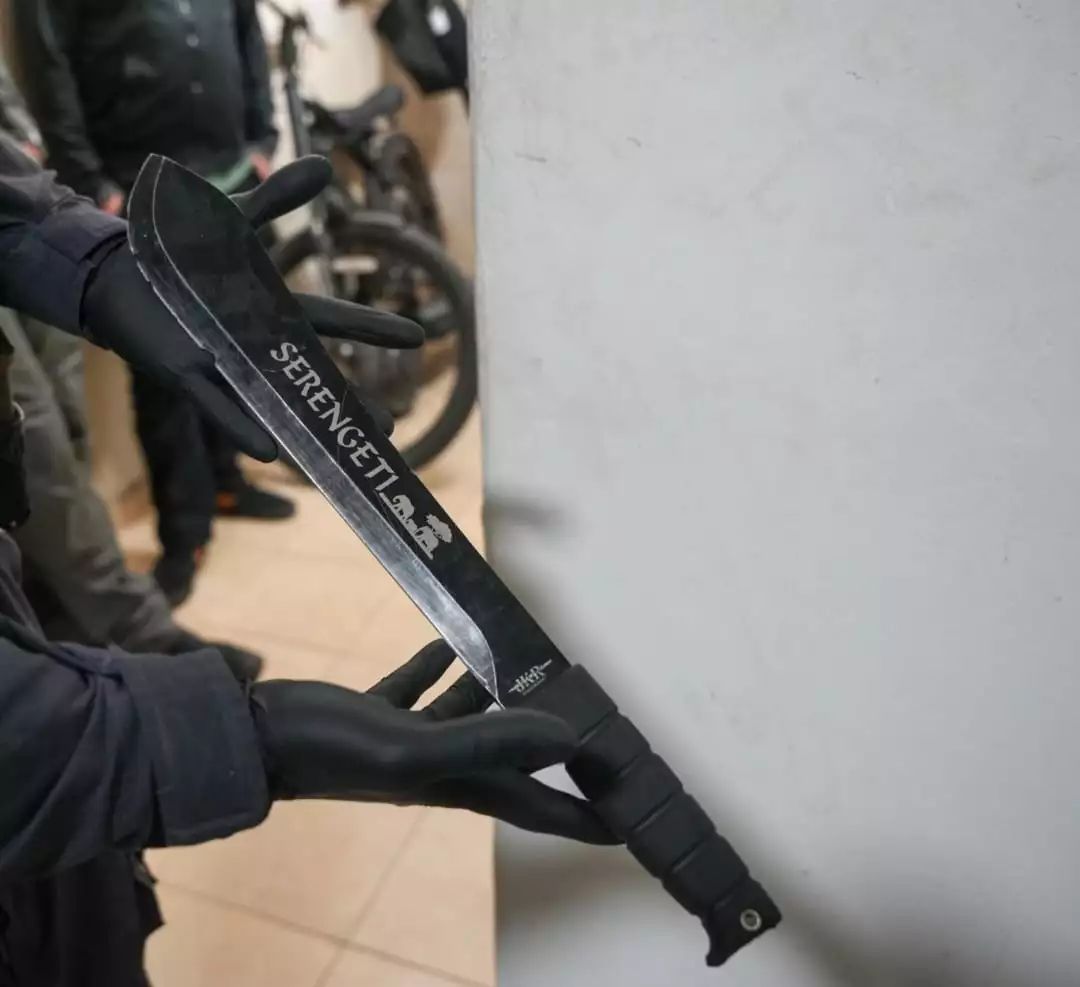
Recent investigations have revealed the gang's shift toward serious violent crime. Law enforcement authorities maintain extensive case files against numerous gang members, documenting incidents including stabbings, mass brawls, armed robbery, threats, and even a recent case involving a grenade thrown into a densely populated residential area. The gang's activities have expanded beyond southern Tel Aviv, with criminal operations now extending into northern parts of the city.
According to a comprehensive investigation into the gang's structure, hundreds of minors between the ages of 9 and 18 have become involved in SSQ operations. The organization has attracted the attention of established crime syndicates, which have begun utilizing the young gang members for various criminal enterprises. This development has transformed what was once viewed as a social problem into a full-scale security threat requiring intelligence agency intervention.

Police Resources Stretched Thin
Ben Gvir's request for Shin Bet involvement suggests that Israel Police resources have proven insufficient to contain the gang's activities. The minister's statement that "the police are doing everything in their power" while simultaneously requesting intelligence agency backup indicates the challenge law enforcement faces in addressing organized youth crime that operates across multiple jurisdictions and involves suspects who often lack permanent addresses or formal identification.
The timing of the request coincides with a broader national conversation about youth violence in Israel. Recent weeks have seen multiple high-profile incidents, including the brutal Independence Day murder of Yemanu Benjamin Zalka in Petah Tikva, where 13 suspects were arrested in connection with a coordinated mob attack. That case highlighted the growing phenomenon of organized youth violence that has spread beyond Tel Aviv to other Israeli cities.
The SSQ gang has maintained a reign of terror over southern Tel Aviv residents for an extended period, with locals reporting feeling unsafe in their own neighborhoods. The gang's members frequently spend their time on the streets, creating an atmosphere of intimidation that has driven some residents to avoid certain areas entirely. Property crimes, vandalism, and violent confrontations have become regular occurrences in areas where the gang operates.

As authorities work to dismantle the gang's infrastructure, questions remain about long-term solutions to prevent similar organizations from emerging. The SSQ's origins in communities of migrants and foreign workers without legal status point to broader social issues that purely enforcement-based approaches may not fully address. Nevertheless, with violence escalating and public safety concerns mounting, Ben Gvir's call for Shin Bet assistance signals that immediate action takes precedence over longer-term social interventions.