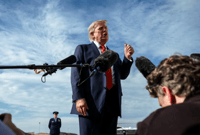
US President Donald Trump and Chinese President Xi Jinping agreed Thursday that the Strait of Hormuz must remain open, the White House said after the two leaders met in Beijing.
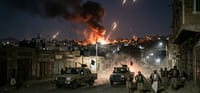
The meeting comes as the waterway remains at the center of the global energy crisis caused by the US-Iran war. Iran has effectively blocked the strait since the conflict began in late February, while the United States has maintained a blockade on Iranian ports. The disruption has sharply affected global oil and gas markets.
“The two sides agreed that the Strait of Hormuz must remain open to support the free flow of energy,” the White House said in its summary of the meeting.
The statement signals at least some shared ground between Washington and Beijing on the crisis, despite their broader rivalry. China is a major buyer of Iranian oil and has significant economic interest in restoring stable energy flows through the Gulf. The United States has been pressing Beijing to use its influence with Tehran as negotiations over ending the war continue.
The White House described the meeting as “good,” but offered few details on whether China had committed to any specific steps regarding Iran, sanctions enforcement or shipping through Hormuz.
Trump has been seeking to pressure Iran into accepting a US-backed proposal to end the war, limit Tehran’s nuclear program and reopen the strait. The president has repeatedly warned that US strikes could resume if Iran does not move closer to Washington’s position. His administration has also sanctioned companies and individuals accused of helping Iran sell oil to China through front companies.
The meeting with Xi also covered fentanyl and trade. The White House said the two leaders discussed building on progress to stop the flow of fentanyl precursor chemicals into the United States, a long-running American demand in talks with Beijing.
Trump and Xi also discussed increasing Chinese purchases of US agricultural products, an issue closely watched by American farmers and lawmakers from agricultural states. No new agreement was announced in the White House summary.
Taiwan was not mentioned in the public readout, despite being one of the most sensitive issues in US-China relations. That omission may reflect an effort to keep the focus on areas where the two sides could show limited cooperation.