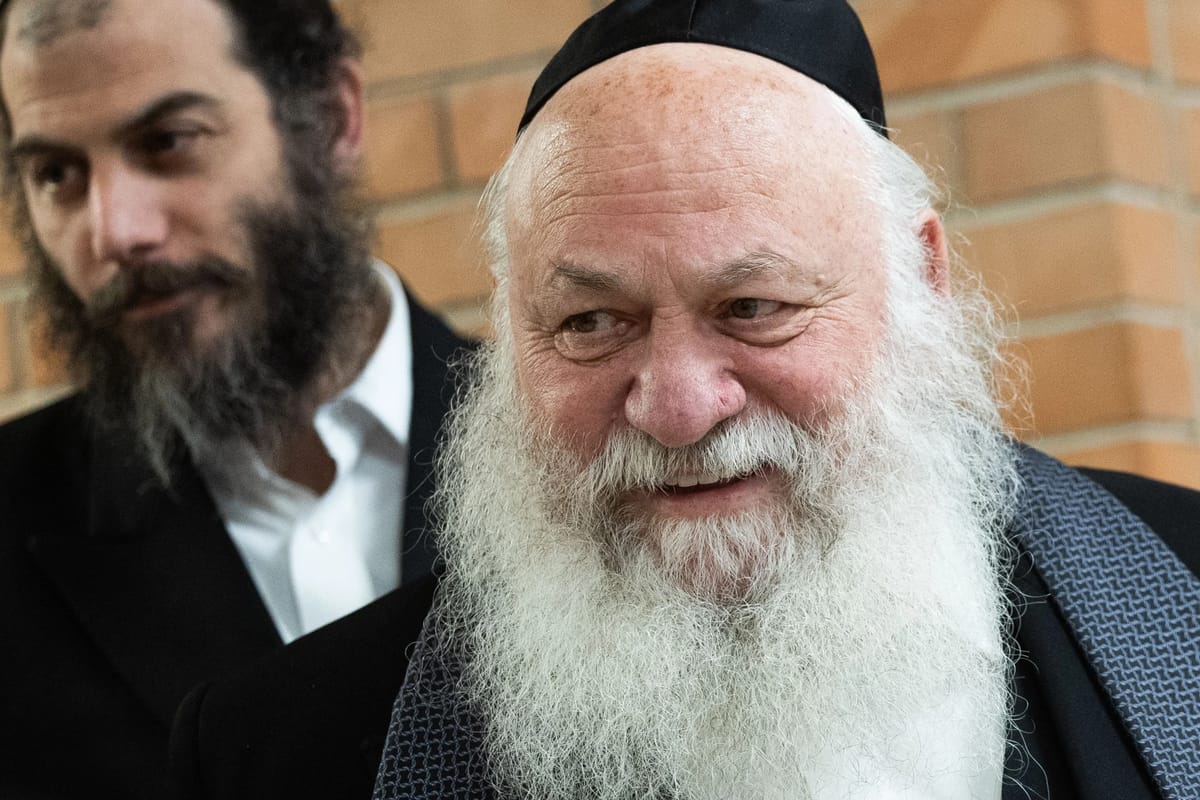
A senior United Torah Judaism figure said the Haredi party is not ruling out sitting in a future government with either former prime minister Naftali Bennett or Yisrael Beytenu chairman Avigdor Liberman, though such a scenario remains highly unlikely given the deep divide over Haredi military service.
Motti Babchik, a top aide to UTJ chairman Yitzhak Goldknopf and a powerful behind-the-scenes figure in Haredi politics, told i24 News on Wednesday night that the party would wait for the election results before deciding its coalition options.
“We will wait for the election results and see where everyone stands,” Babchik said. Asked what would happen if Bennett called him after the election, he replied: “We’ll talk.”
The comments appear aimed in part at Prime Minister Benjamin Netanyahu, as Haredi parties seek leverage ahead of the next election and amid continued tensions inside the current coalition over the stalled Haredi draft exemption bill. Political messaging, that noble art of saying “maybe” loudly enough for the right person to panic.
In practice, a UTJ alliance with Bennett or Liberman would face major obstacles. Both Bennett and Liberman have called for a government without Haredi parties and support stricter enforcement of universal conscription. Liberman in particular has built much of his recent political identity around opposition to Haredi political power and demands for broad military or national service.
UTJ, by contrast, rejects the enlistment of full-time yeshiva students and opposes sanctions on those who do not serve. Babchik said that while “of course there is a need for soldiers” and that soldiers do “holy work,” there must not be sanctions against those who “sit and study.”
His remarks come as the Haredi parties remain under pressure over the enlistment issue. The coalition has been trying to advance legislation that would regulate broad exemptions for yeshiva students, but the bill has faced opposition from the attorney general, senior IDF officials, opposition parties and parts of Likud, as the military continues to face manpower shortages during wartime.
Asked about Babchik’s comments, a Yisrael Beytenu spokesperson told The Times of Israel that the party’s position had not changed.
“We have a clear position, nothing will change,” the spokesperson said.