Get our mobile app
Download on the App StoreGet it on Google Play

Military Operations

Navy SEALs Clear Mines from Hormuz Strait

American special forces spent months removing dozens of Iranian mines from the strategic waterway, working at night to secure vital shipping lanes without casualties

navy seals

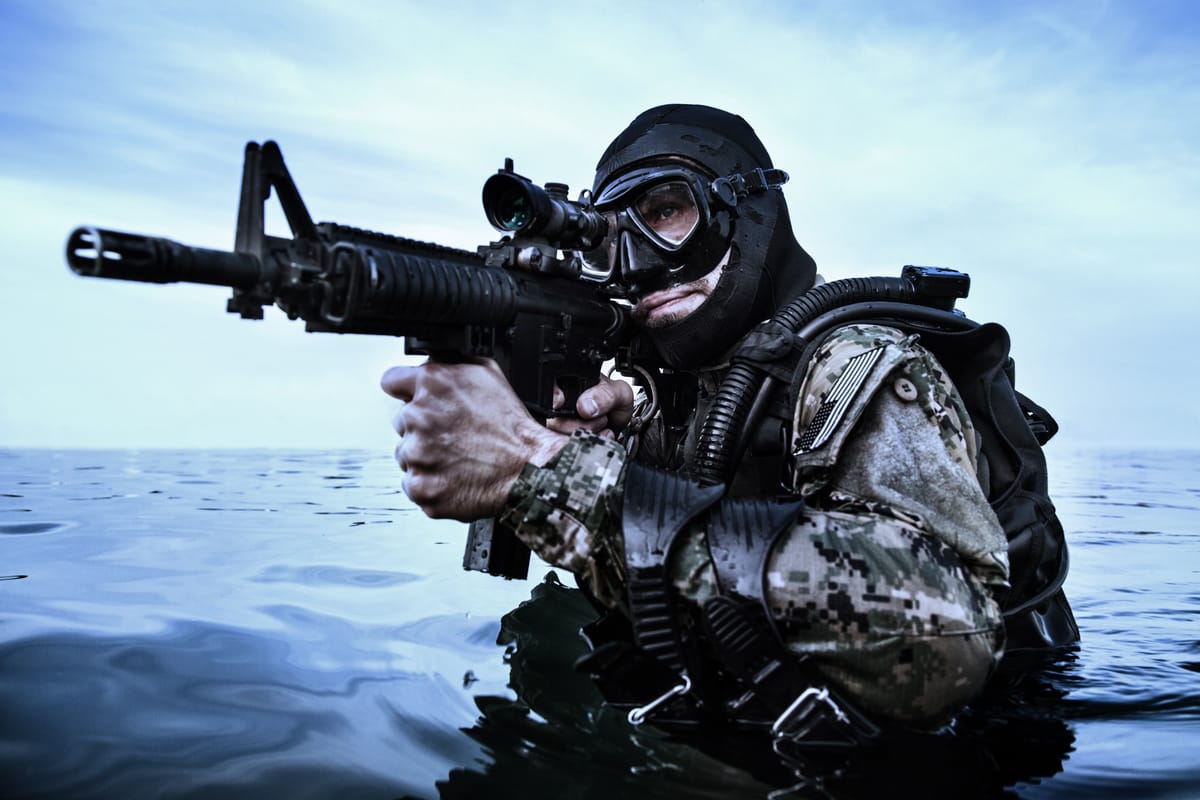
The U.S. Navy concluded a classified four-month operation approximately two weeks ago, during which special forces removed dozens of naval mines that Iran had planted in the Strait of Hormuz. Navy SEAL divers conducted the mission during nighttime hours, employing advanced underwater systems to ensure freedom of navigation through the strategically critical waterway.

According to reports, Iran placed roughly 80 mines in crucial shipping channels within the strait in recent months, as documented by the International Maritime Organization in June. The mines were positioned to disrupt maritime traffic and threaten vessels attempting to transit the strait without Iranian authorization.


The Financial Times reported that elite SEAL divers operated in small teams, locating the mines using robotic boats and underwater tools equipped with sophisticated sonar systems. These systems scanned the seabed and identified objects with exceptional detail. Once the technology detected a mine, divers entered the water, approached the device, and attached explosive charges to destroy it.

No American casualties were reported during the operation. Shipping company owners and security consultants expressed optimism that the southern section of the strait, near Oman's coast, where the United States routes vessels, has indeed been cleared of mines. However, they voiced skepticism about whether the entire strait is completely mine-free.

Approximately two weeks ago, President Donald Trump unexpectedly announced that the U.S. Navy had informed him that all mines in Hormuz had been "removed or blown up." Last week he added that the United States was striking Iranian targets near the strait "in response to Iran's failed attempt to place naval mines in the strait, which currently has no mines (they were all removed or blown up!)."

The American administration claims it is successfully moving millions of barrels of oil daily through the Strait of Hormuz, at levels slightly below pre-war volumes. However, professional firms specializing in monitoring Hormuz traffic have argued that the actual oil quantities passing through the strait are significantly lower than both government figures and pre-war levels.

Even without mines, Iran continues attempting to disrupt traffic through the Strait of Hormuz. The Revolutionary Guards launch missiles and drones at vessels trying to cross the strait without authorization, damaging ships, raising insurance costs for shipping companies, and reducing shipowners' willingness to accept the risks required to transit Hormuz.

The American naval blockade of Iran, renewed on July 14 following the collapse of temporary understandings, continues to tighten. According to U.S. Central Command reports, dozens of commercial vessels attempting to breach the blockade have been turned away since its renewal. American forces have also recently attacked Iranian oil tankers in response to missile launches targeting U.S. warships.

Ready for more?

Join our newsletter to receive updates on new articles and exclusive content.

We respect your privacy and will never share your information.

Enjoyed this article?

Yes (6)
No (0)
Follow Us:

Unmissable content


Loading comments...

Also of Interest