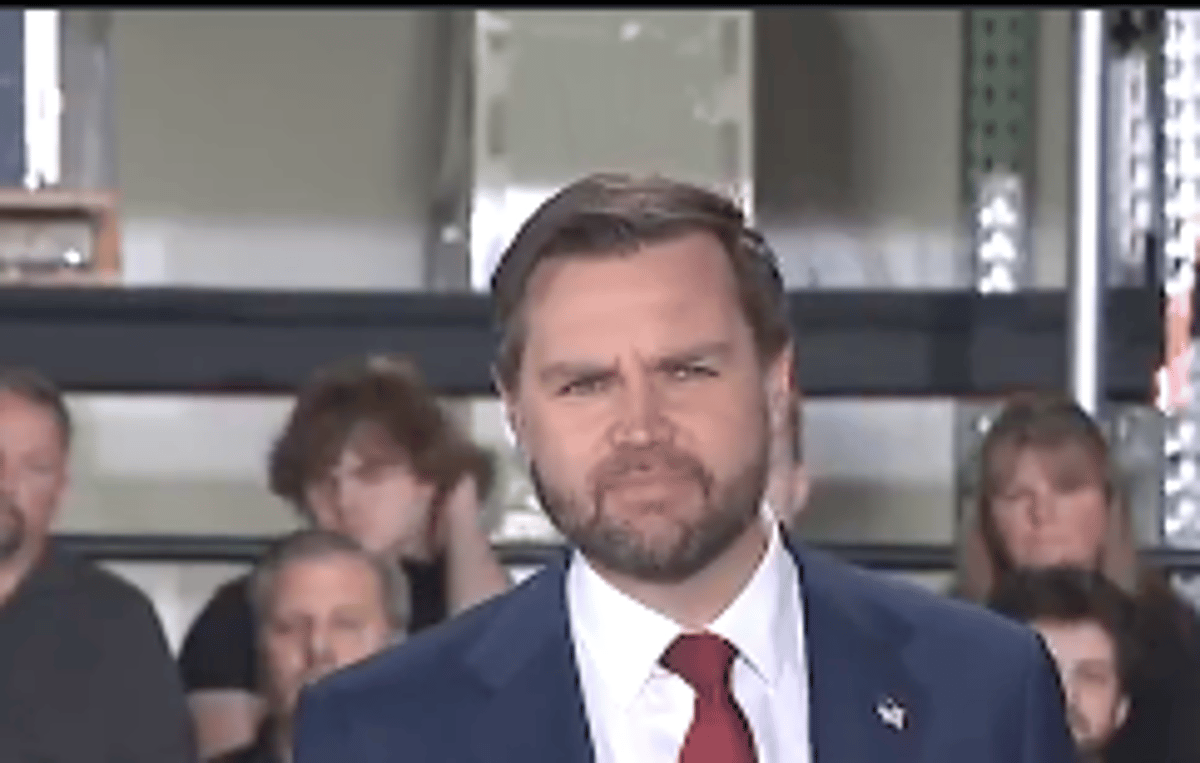
US Vice President JD Vance will lead the American negotiating team in upcoming talks with Iran set to take place in Islamabad on Saturday, the White House announced, signaling a potential opening for diplomacy following a fragile ceasefire.
Vance will be joined by senior envoys Steve Witkoff and Jared Kushner. The decision to send the vice president, along with scheduling in-person talks, suggests Washington is attempting to build momentum toward a more durable agreement after two weeks of active conflict.
The ceasefire, announced earlier this week, has created what US officials described as a narrow window for negotiations. However, key details about the structure of the talks remain unclear, including whether discussions will be conducted directly or through intermediaries, which Iran has typically preferred.
According to the White House, Iran had pushed for Vance to take a leading role in negotiations, amid concerns in Tehran over previous talks led by Witkoff and Kushner. Vance is also seen as a relatively distinct voice within the administration, having reportedly opposed launching the war against Iran.
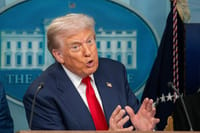
Speaking during a visit to Hungary, Vance said President Donald Trump is “impatient” for progress and has directed negotiators to engage seriously in efforts to end the conflict.
At the same time, messaging from both sides continues to diverge. While US officials have described the ceasefire as a success and suggested Iran has agreed in principle to reopen the Strait of Hormuz, Iranian warnings to commercial shipping have indicated continued tension on the ground.
Iranian officials have also accused the United States of violating prior understandings, with parliament speaker Mohammad-Bagher Ghalibaf publicly questioning whether negotiations are worthwhile under current conditions.
The talks are expected to address a range of unresolved issues, including maritime security in the Strait of Hormuz, Iran’s nuclear program, and broader regional dynamics. Reports of competing proposals from both sides suggest that significant gaps remain.
Despite the diplomatic push, the situation remains volatile. Trump has continued to pair optimism about a potential deal with explicit threats of renewed military escalation if negotiations fail, underscoring the high stakes surrounding the Islamabad talks.
With both sides signaling interest in talks but expressing deep mistrust, the upcoming meeting may determine whether the ceasefire evolves into a longer-term agreement or collapses into another phase of conflict.