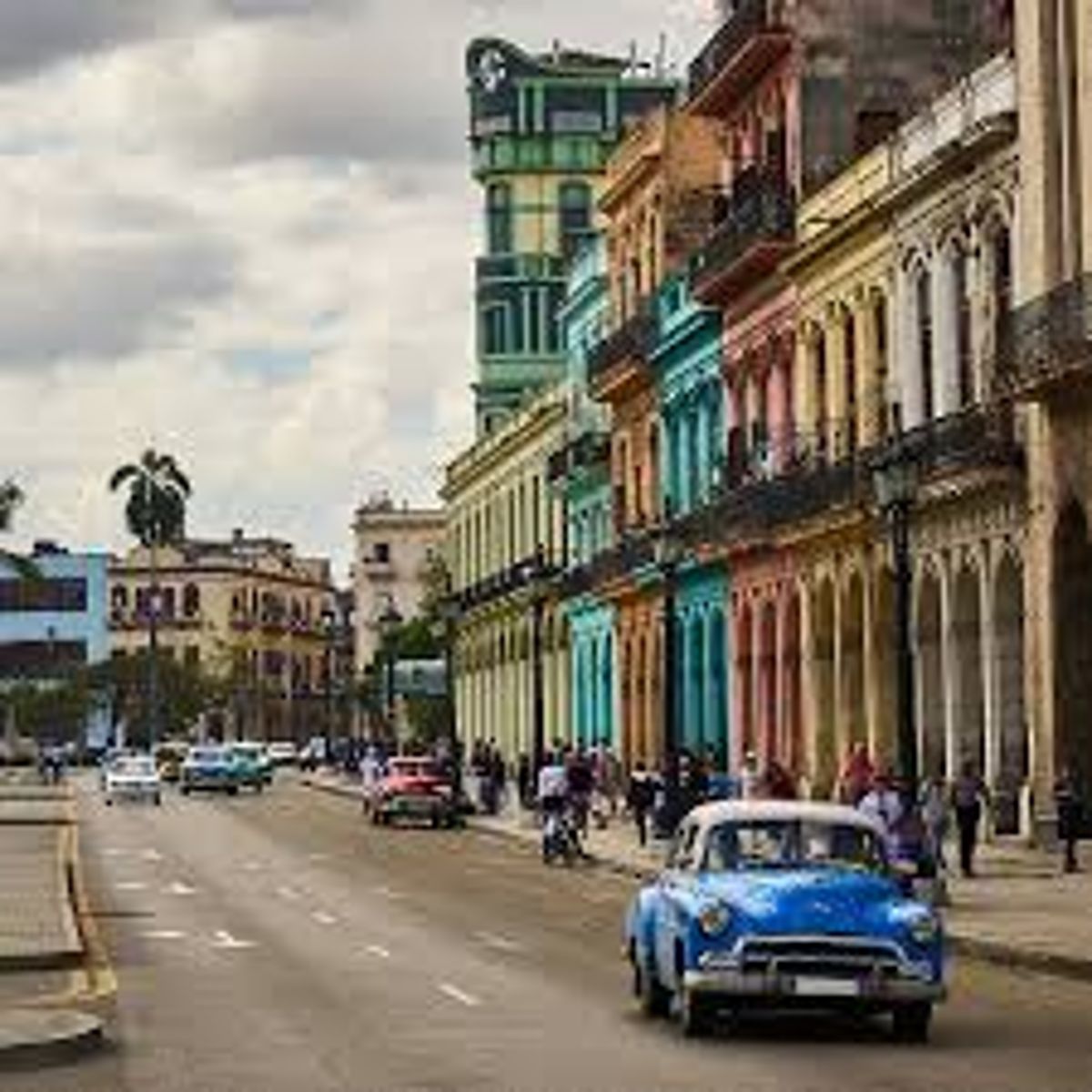
Following the dramatic capture of Venezuelan President Nicolás Maduro earlier this month, the Trump administration has reportedly set a new ambitious foreign policy goal: the end of Communism in Cuba by the close of 2026.
According to sources cited by the Wall Street Journal, the White House is seeking to replicate the strategy used in the recent Caracas operation. The administration aims to identify high-ranking officials within the Cuban government who may be willing to negotiate a transition of power to oust current leadership, including President Miguel Díaz-Canel.
The recent operation in Venezuela, which involved a lightning raid on Caracas, was reportedly facilitated by an asset within Maduro’s inner circle. This insider provided critical intelligence on the leader's movements, allowing for a "snatch-and-grab" mission.
Now, with Venezuela’s socialist government effectively decapitated, the White House believes Cuba is critically vulnerable. The island nation has long relied on Venezuelan oil and subsidies, lifelines that have now been severed.
President Trump took to Truth Social to issue a stark warning to Havana, suggesting that the window for a peaceful resolution is closing.
"Cuba lived, for many years, on large amounts of OIL and MONEY from Venezuela," Trump wrote. "Most of those Cubans are DEAD from last weeks U.S.A. attack... THERE WILL BE NO MORE OIL OR MONEY GOING TO CUBA - ZERO! I strongly suggest they make a deal, BEFORE IT IS TOO LATE."
U.S. intelligence assessments describe the situation inside Cuba as grim. The economy has been battered by the collapse of tourism post-COVID-19, and the loss of Venezuelan trade partners has exacerbated shortages of medicine, food, and energy, leading to routine blackouts.
Administration officials characterize the strategy not as traditional "regime change" wars of the past, but as high-stakes "deal-making." However, the threat of military force remains implicit. The raid in Caracas resulted in significant casualties, including 32 soldiers and intelligence agents, some of whom were reportedly Cuban nationals providing security services to Venezuela.
While the White House projects confidence, observers warn of significant risks. Unlike Venezuela, Cuba lacks a well-organized political opposition ready to assume governance.