Vatican Crisis: Police Block Top Catholic Leader From Church of Holy Sepulchre
Latin Patriarch Pizzaballa denied entry to Church of Holy Sepulchre for Palm Sunday service • Security concerns cited as reason for unprecedented move | International outcry follows (Israel News)

A diplomatic crisis is brewing between Israel and the Vatican following an unprecedented incident Wednesday morning in Jerusalem's Old City. Israeli police prevented Latin Patriarch Pierbattista Pizzaballa from conducting Palm Sunday prayers at the Church of the Holy Sepulchre, marking what could become a significant rupture in Catholic-Israeli relations.
The incident, first reported by journalist Yossi Eli on Channel 13 News, has already triggered condemnation from Catholic centers worldwide and formal protests from Italy and Spain. Pizzaballa, who ranks third in the Catholic Church hierarchy and was previously considered a potential successor to Pope Francis, had requested to conduct a modest prayer service with just four attendees.
Security Concerns Override Religious Tradition
Police officers stationed at the Church of the Holy Sepulchre informed the Patriarch that security considerations prevented his entry, specifically citing the absence of a proper protected space within the church compound. The decision represents a dramatic departure from tradition—Palm Sunday services at the holy site typically feature massive processions and gatherings throughout the Christian Quarter.
This year, Israeli authorities had already prohibited the large-scale public assembly in advance. However, the additional restriction preventing even a minimal prayer gathering of four individuals has intensified the controversy. The Latin Patriarchate oversees Catholic communities throughout Israel, Palestine, Jordan, and Cyprus, making Pizzaballa one of the most senior Christian leaders in the region.

Police Defend Blanket Closure Policy
In a formal statement, Israel Police clarified their position regarding the closure. "Since the beginning of Operation Lion's Roar and in accordance with Home Front Command directives, all holy sites in the Old City have been closed to worshippers, particularly locations lacking proper protected spaces," the statement noted. "This measure aims to safeguard public safety and security."
Authorities emphasized that the Patriarch's request had been reviewed the previous evening and rejected based on these established security protocols. Police further explained that the Old City's complex layout presents significant operational challenges. "The Old City and its holy sites constitute a complicated area that does not permit entry of large emergency and rescue vehicles," officials stated. "This creates substantial difficulties for security forces and poses genuine danger to human life in the event of a mass casualty incident."
Historical Context and Broader Implications
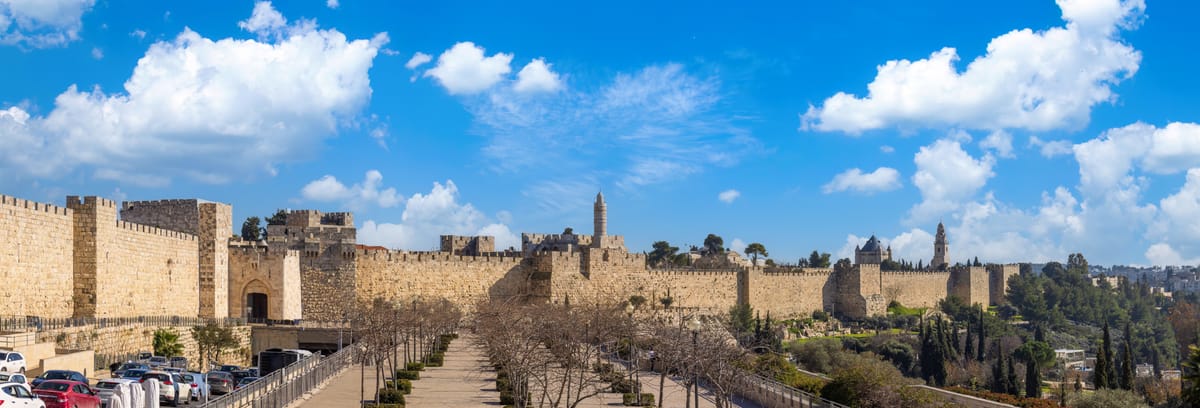
The Church of the Holy Sepulchre, located in Jerusalem's Christian Quarter, stands as one of Christianity's most sacred sites. Tradition holds that it encompasses both Golgotha, where Jesus was crucified, and the tomb where he was buried and resurrected. The ancient sanctuary has witnessed centuries of religious observance, making Wednesday's closure particularly significant from a historical perspective.
Palm Sunday commemorates Jesus's entry into Jerusalem, an event central to Christian theology and liturgical tradition. The annual celebration typically draws thousands of pilgrims and worshippers to the Old City. This year's restrictions, however, reflect the heightened security environment Israel has maintained since the outbreak of regional hostilities.
The incident occurs against a backdrop of evolving Catholic-Jewish relations. Recent years have seen both progress and setbacks in interfaith dialogue, with incidents of antisemitism within Vatican circles occasionally surfacing despite official commitments to combat religious hatred. The current situation adds another layer of complexity to these delicate relationships.

International Reaction Mounts
Catholic communities across Europe have responded with sharp criticism to the police action. Italian and Spanish officials have formally conveyed their concerns to Israeli authorities, viewing the prevention of religious worship as a violation of fundamental freedoms. The Vatican has yet to issue an official statement, though diplomatic channels are reportedly active in addressing the matter.
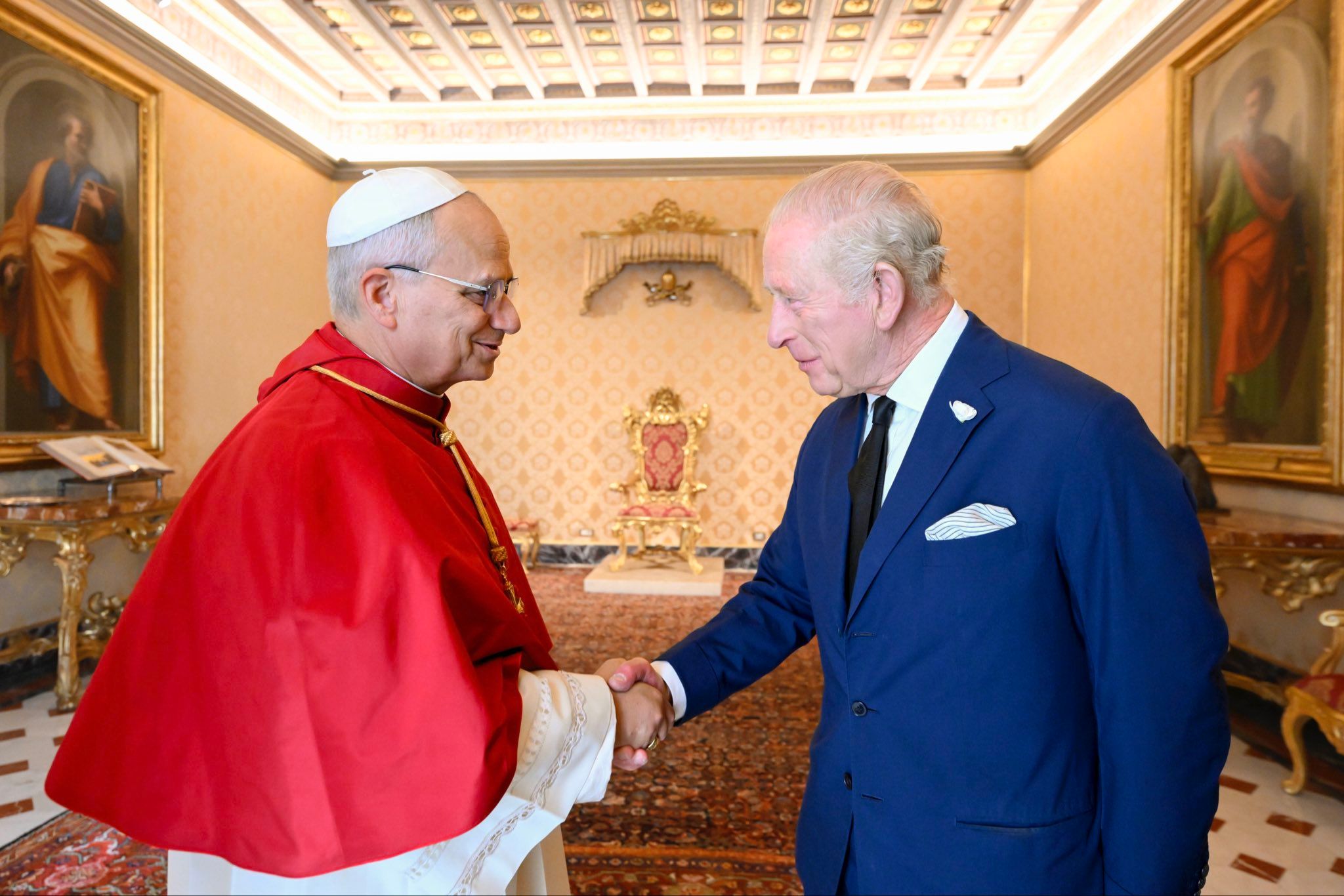
The timing of the incident proves particularly sensitive given recent efforts to strengthen Christian-Jewish dialogue. Just months ago, King Charles III and Pope Leo XIV prayed together at the Vatican, symbolizing centuries of reconciliation between Protestant and Catholic traditions. The Jerusalem incident threatens to overshadow such positive developments in interfaith relations.
As tensions continue to escalate, both Israeli security officials and Church leaders face pressure to find a resolution that balances legitimate safety concerns with the preservation of religious freedoms. The outcome of this crisis may well set precedents for how Israel manages access to holy sites during periods of heightened security alert, with implications extending far beyond the immediate controversy.