
With the ink barely dry on Vice President J.D. Vance’s "final and best offer" to Tehran, President Donald Trump is already signaling his next move. Should Iran reject the American ultimatum, the administration is reportedly prepared to bypass traditional sanctions in favor of a high-stakes military maneuver: a total naval blockade.
Hours after the talks were over, Trump shared on his Truth Social account a report by John Solomon in which it is suggested that the White House is looking to replicate the aggressive strategy used to topple Venezuelan interests.
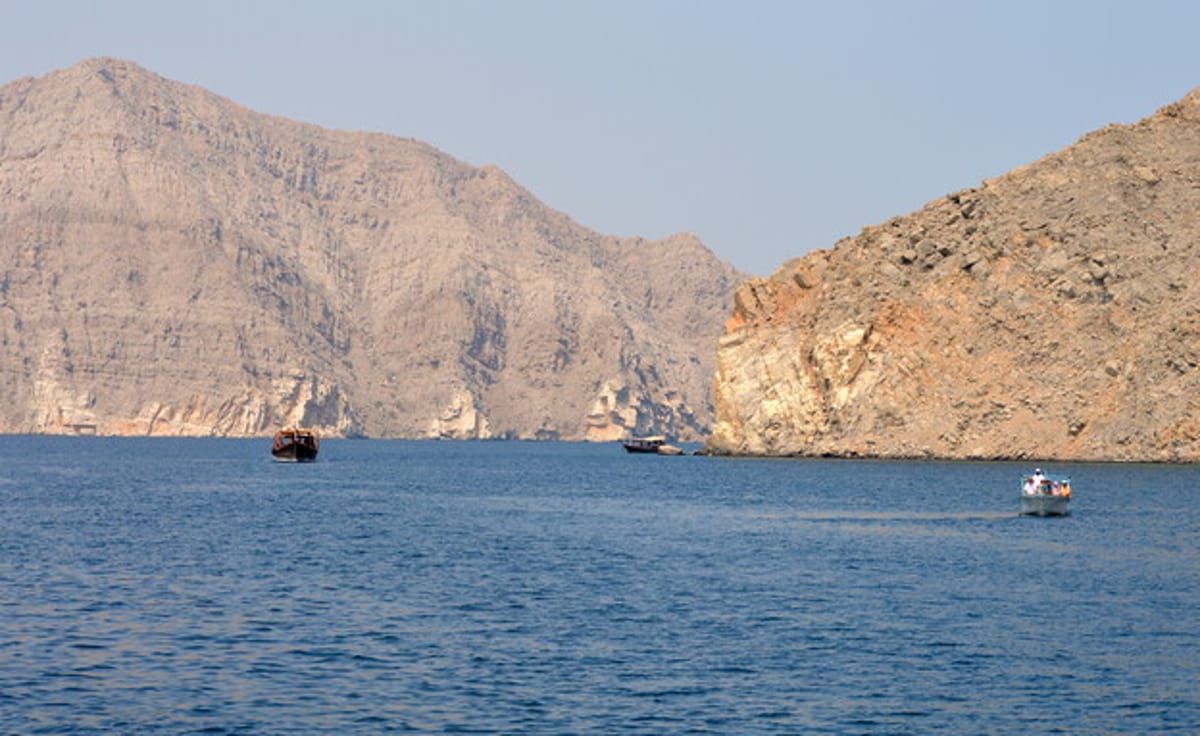
The core of the strategy is simple: control the Strait of Hormuz and halt the flow of Iranian crude to its primary buyers, namely China and India. By cutting off Tehran’s primary revenue stream, the administration hopes to force a collapse of the regime’s nuclear program from the inside out.
"It would be very easy for the U.S. Navy to exert complete control over what does and does not go up and down the Strait now," noted Rebecca Grant, a national security expert at the Lexington Institute. "You'll have to ask the U.S. Navy if you want to move past Kharg Island."
Naval Assets on High Alert
The threat is backed by a massive surge in American naval power in the Persian Gulf. Leading the charge is the USS Gerald Ford, the same supercarrier that spearheaded the blockade against Nicholas Maduro’s regime. Joining it is the USS Abraham Lincoln and a fleet of additional assets that have reportedly moved into position over the last 24 hours.
Military strategists, including retired General Jack Keane, suggest the plan could go beyond a mere blockade. Keane argued that the U.S. could choose to physically occupy Kharg Island, Iran's primary oil export terminal, to use as ultimate leverage to seize the regime's stores of enriched uranium, what he calls "nuclear dust."
The "Sand Clock" is Running
The move comes at a critical juncture as the current temporary cease-fire timeline begins to expire.
The administration’s "final and best offer" delivered in Pakistan reportedly focused on:
- Total abandonment of nuclear weapon development.
- Physical verification of the destruction of enrichment facilities.
- Permanent restrictions on long-range missile testing.
A naval blockade would force China and India to either challenge the U.S. Navy to receive their oil or find alternative energy sources, further isolating Iran on the global stage.