No Airstrip, No Time: British Combat Medics Plunge Into South Atlantic to Save UK Citizen Infected Hantavirus | WATCH
British forces parachute medics and oxygen to Tristan da Cunha • Patient exposed aboard MV Hondius cruise ship • WHO confirms 8 suspected cases, 3 deaths | Emergency operation in world's most isolated settlement (World News)

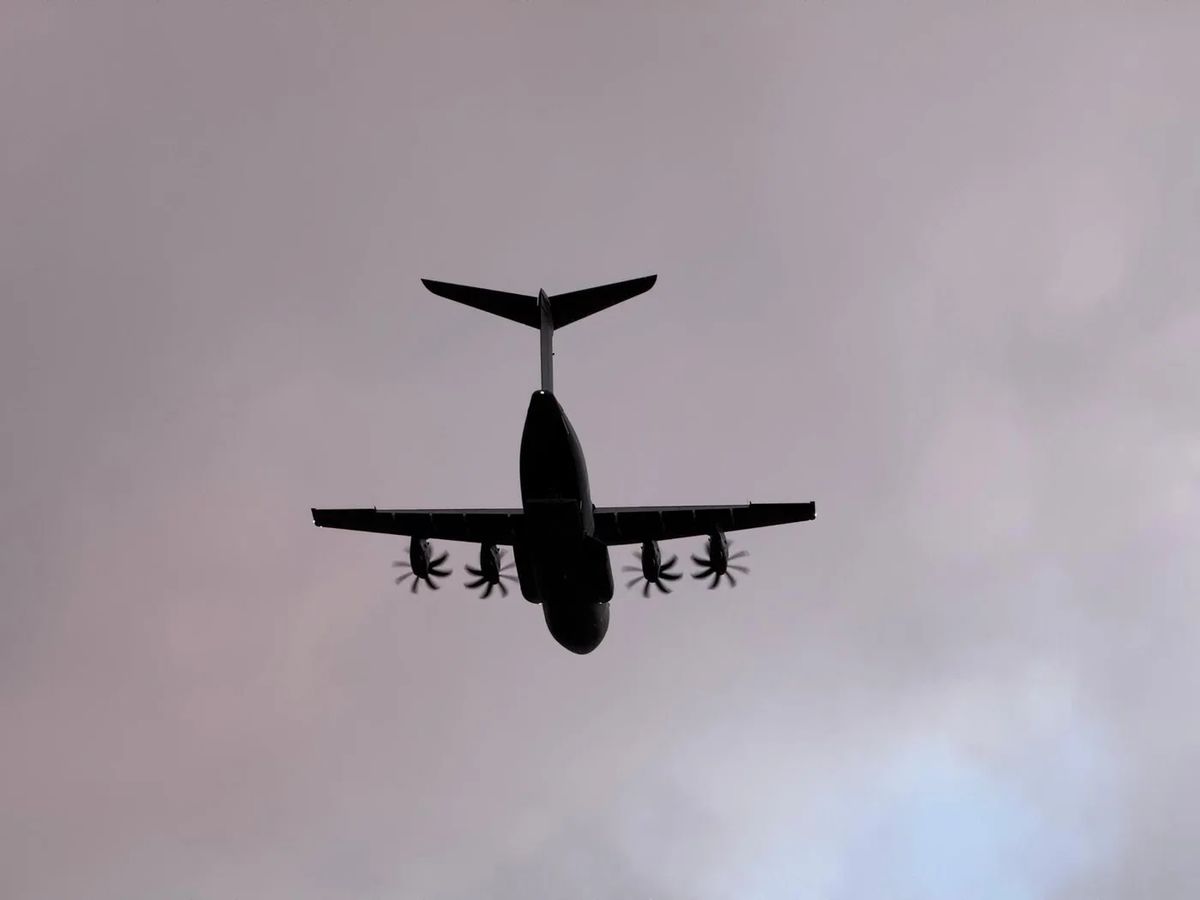
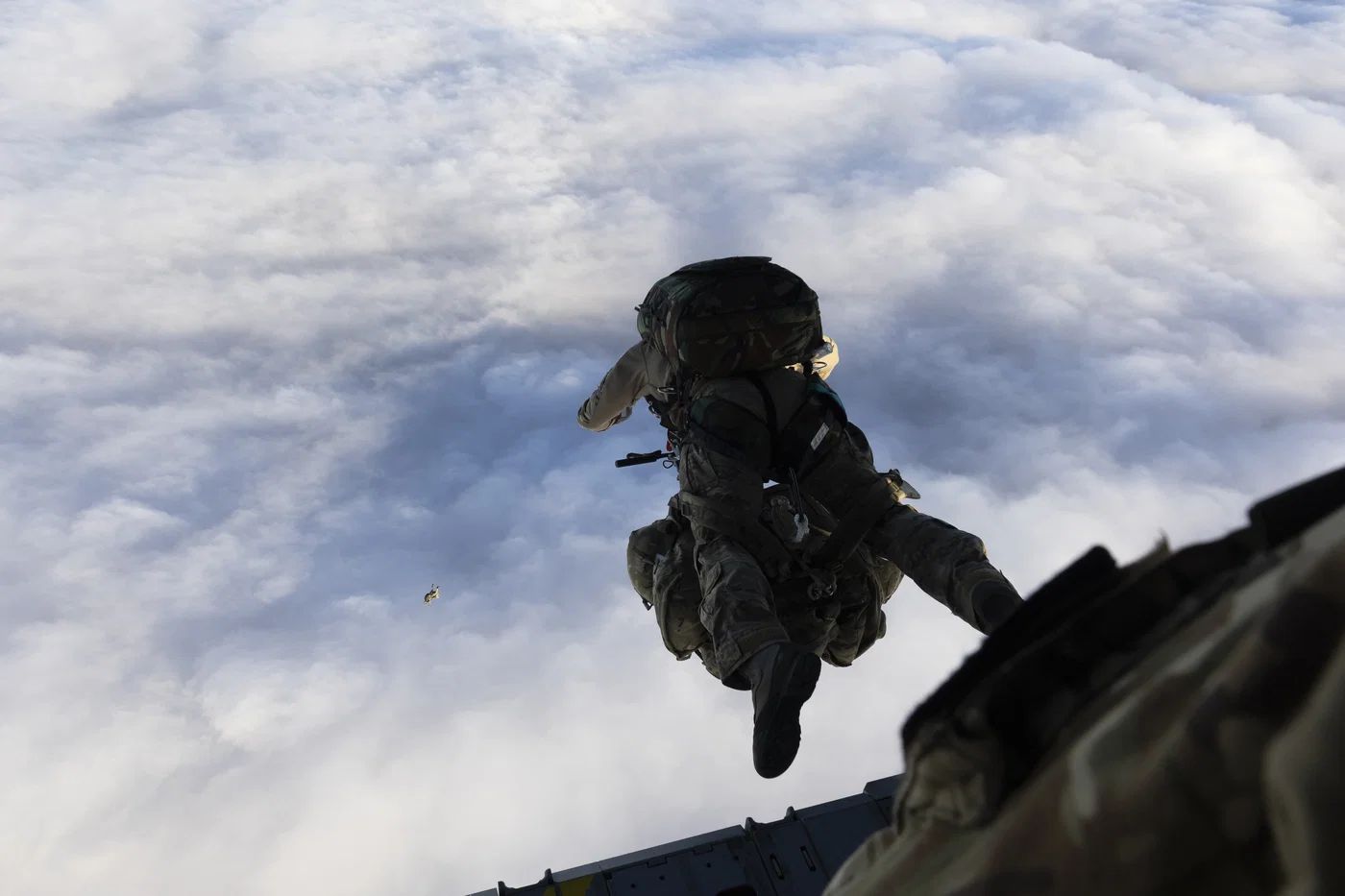
In an extraordinary emergency operation, the British military conducted an overnight airdrop of medical personnel and critical supplies to Tristan da Cunha, one of the world's most isolated inhabited islands, after a British citizen developed symptoms of the deadly hantavirus.
The patient had previously traveled aboard the MV Hondius cruise ship, which has become the epicenter of a rare hantavirus outbreak that has already claimed three lives and infected passengers across multiple continents.
According to military sources, the operation took place Sunday night and involved parachuting combat medics, oxygen cylinders, and emergency medical equipment directly onto the remote South Atlantic island. The dramatic intervention was necessitated by Tristan da Cunha's complete lack of an airstrip, making conventional medical evacuation impossible.
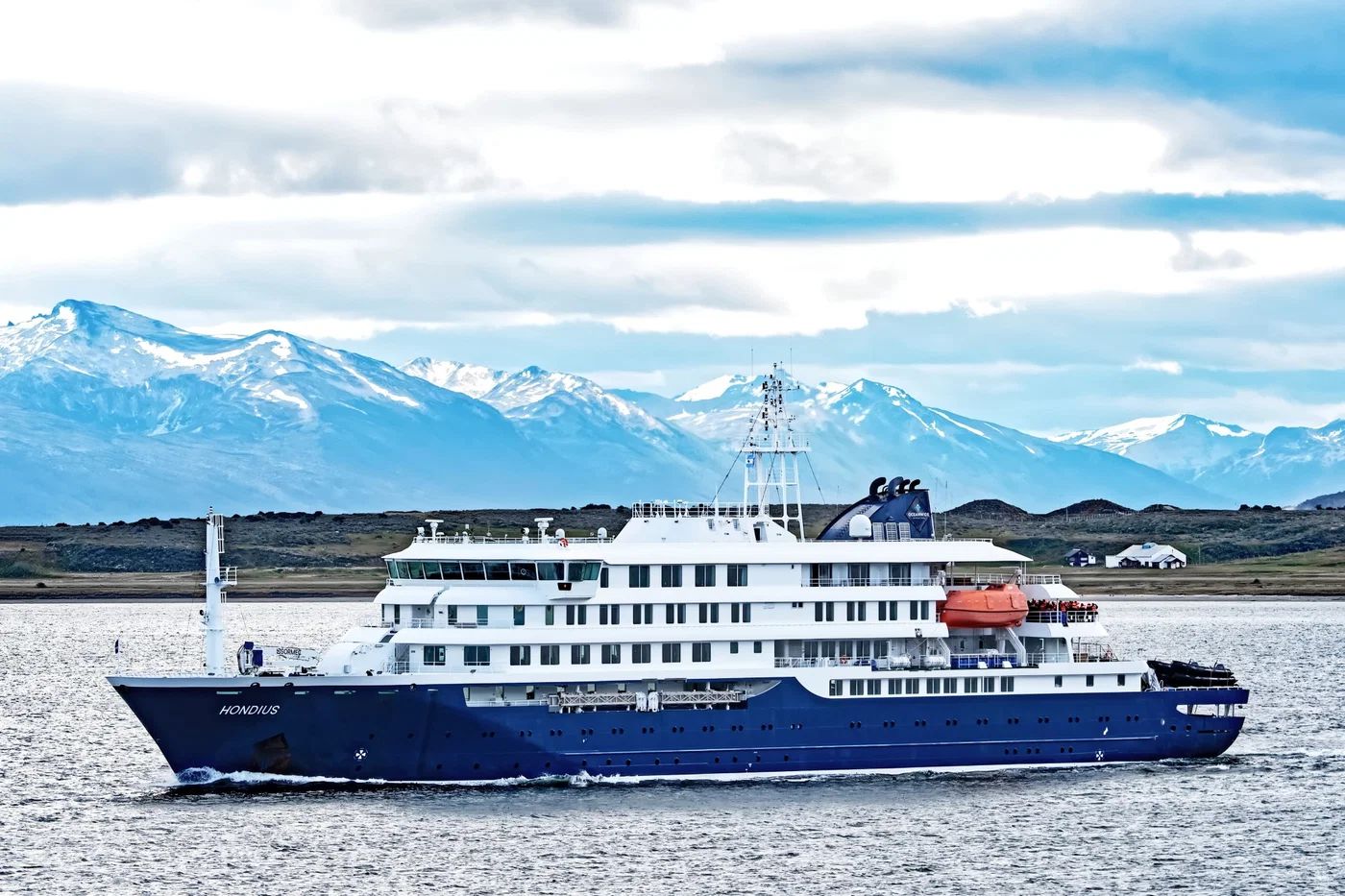
From Cruise Ship to Isolated Island
The British national disembarked from the ill-fated MV Hondius in mid-April and traveled to Tristan da Cunha, located approximately 1,750 miles from the nearest continental landmass. Roughly two weeks after arriving on the island, the patient began exhibiting symptoms consistent with hantavirus infection.
The MV Hondius departed Ushuaia, Argentina, in early April for an Antarctic expedition. The outbreak was first identified when passengers began falling ill with severe respiratory symptoms. The World Health Organization has confirmed that the strain responsible is the rare Andes variant, which unlike most hantavirus strains, can transmit between humans through close contact.

Simultaneous Evacuation in Tenerife
Yesterday (Sunday), Spanish authorities began evacuating approximately 150 passengers and crew members from the MV Hondius at the port of Tenerife in the Canary Islands. The evacuation protocol involves transferring passengers in small nationality-based groups directly from the ship to sealed buses, then immediately to waiting aircraft for repatriation flights.
The WHO stated that as of the latest update, eight suspected cases have been identified, with six confirmed infections and three fatalities. A Dutch couple and a German passenger have died from the virus. All 149 individuals who were aboard the cruise ship during its voyage are now classified as high-risk contacts and will remain under medical surveillance for 42 days, the maximum incubation period for hantavirus.

A Virus Without Treatment
Hantavirus remains one of the most feared infectious diseases due to its high mortality rate and the absence of any approved vaccine or specific antiviral treatment. The Andes strain, native to South America, is particularly concerning to epidemiologists because of its documented ability to spread from person to person, a characteristic not shared by most hantavirus variants.
The virus typically causes severe respiratory distress and can progress rapidly to fatal pulmonary complications. Medical management is limited to supportive care, including oxygen therapy and mechanical ventilation in severe cases.
Health authorities across Europe, South Africa, and South America have activated contact tracing protocols as passengers from the MV Hondius have dispersed to their home countries. The international scope of the outbreak has prompted coordinated surveillance efforts involving health ministries in more than a dozen nations.
This is a developing story.