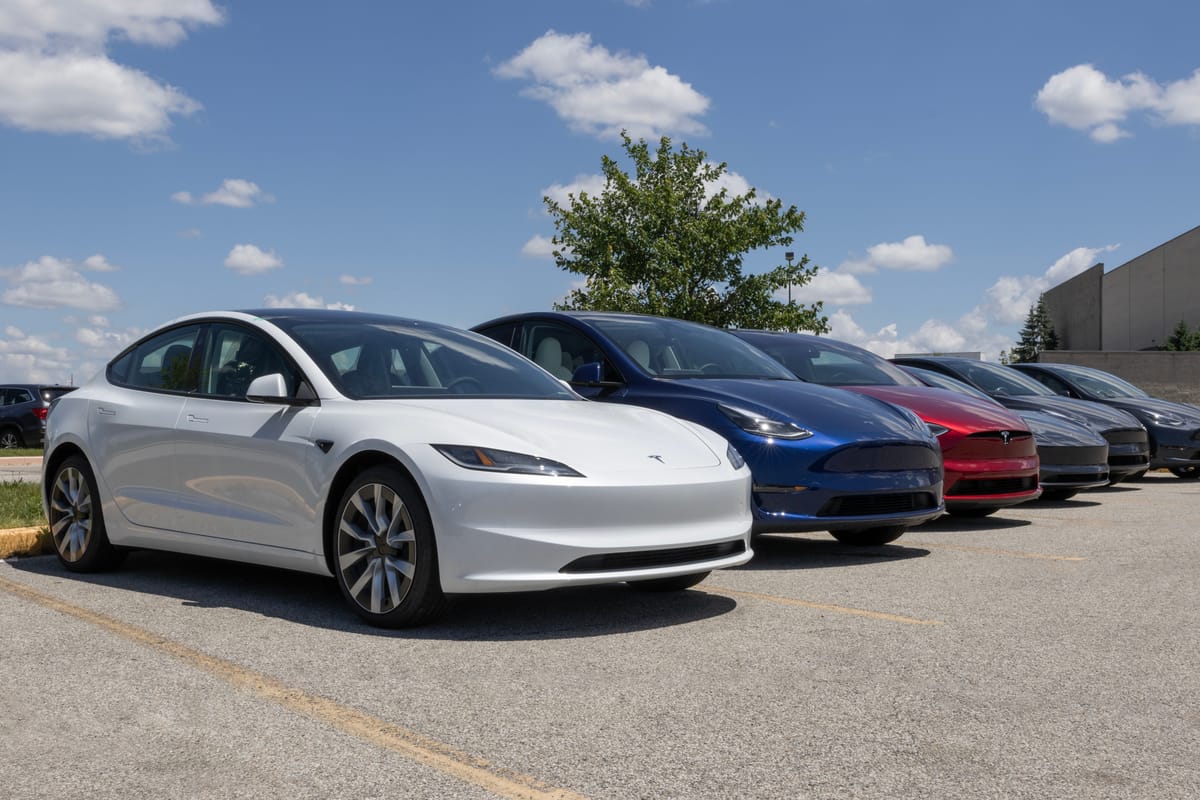
Tesla is confronting a reckoning on two fundamental safety issues in China, where regulators have ordered the company to address problems affecting nearly 6 million vehicles. The recalls lay bare a recurring tension in the EV industry: the gap between sleek design and actual safety during a crisis.
The larger recall targets roughly 2.98 million Tesla vehicles, Model 3, Y, S, and X, over a straightforward but critical problem: passengers can't easily open the doors in an emergency.
Tesla's signature flush, electronic door handles are iconic. They're aerodynamic. They look good. But when a car crashes and loses electrical power, those fancy handles become a liability. The manual backup releases are supposed to kick in, but regulators say Tesla's design makes them too hard to find and use. In a fire or after a serious collision, that could mean the difference between escaping a burning car and being trapped in one.
Tesla's solution is better markings on the emergency releases, plus a software update that automatically lowers windows when sensors detect a crash. It's a Band-Aid approach to a design problem, but it's what regulators approved.
The second recall affects 2.74 million Model 3 and Y vehicles made in China since 2019. This one targets driver attention monitoring when the car's advanced assistance systems are running. Tesla's current system, relying on steering wheel pressure, doesn't consistently catch when drivers stop paying attention to the road. The company will expand its cabin camera to track eye movement instead, flagging drivers who look away.
Both are software fixes, rolled out remotely. Both highlight the same underlying issue: Tesla prioritized innovation and clean design over the kind of redundancy and clarity that keep people alive when things go wrong.
The recalls arrive as Chinese regulators are scrutinizing the entire EV market. Xiaomi, XPeng, Leapmotor, Zeekr, and Lynk & Co. are all under the microscope too. But Tesla's problems are harder to finesse. The company built its reputation on being smarter and different than traditional automakers. Now it has to explain why its smartness created avoidable safety gaps.
For Tesla in China, its most important growth market, the reputational damage may outlast the recalls.