Devastating and inspiring

“I Will Never Open a Siddur Again”: The Untold Spiritual Crisis of Nazi Hunter Simon Wiesenthal

A haunting memoir from Simon Wiesenthal reveals how a corrupt Rabbi in Mauthausen nearly destroyed his faith. This is the powerful lesson from Rabbi Eliezer Silver that changed the Nazi Hunter's perspective on the Jewish spirit and the "other side of the moon."

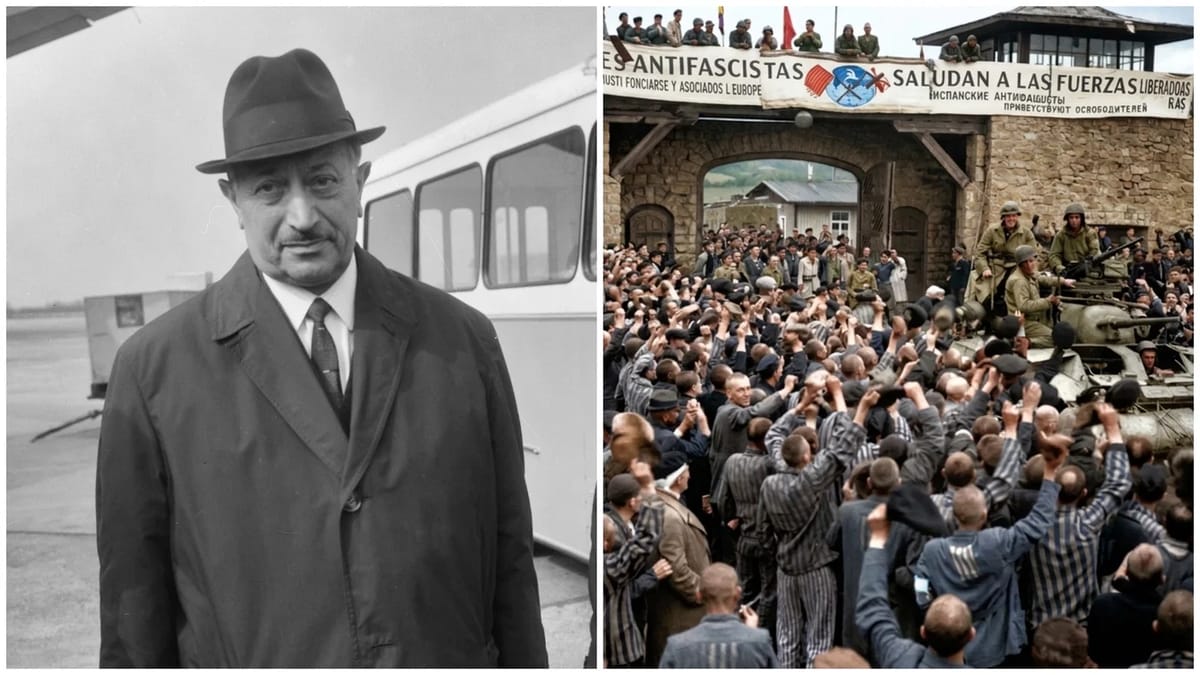
Simon Wiesenthal; Holocaust survivors cheering for US troops

Simon Wiesenthal is immortalized in history as the iron-willed "Nazi Hunter" who brought over 1,100 war criminals to justice. Yet, hidden within his personal diaries is a soul-stirring account of a spiritual fracture that nearly severed his connection to Judaism forever and the legendary American Rabbi who healed it.

The Profiteer of the Death Block

The wound was opened in April 1945, in the infamous "Death Block" of Mauthausen. Wiesenthal recalls the arrival of a renowned Hungarian Rabbi who had managed to smuggle a small Siddur (prayer book) into the camp. At first, Wiesenthal admired the man’s bravery. That admiration soon turned to disgust.

The Rabbi began moving from bunk to bunk among the skeletal, dying prisoners. He did not offer words of comfort; instead, he "rented" the prayer book for five-minute intervals. The price? One-quarter of a prisoner’s daily ration of watery soup.

"I saw people who were starving to death give up their only nourishment just to hold that little black book for fifteen minutes," Wiesenthal wrote. The sight of a man of God "filling his belly" with the food of the dying left Wiesenthal cold. Shortly after, the Rabbi died, his weakened system unable to process the excess soup he had collected.
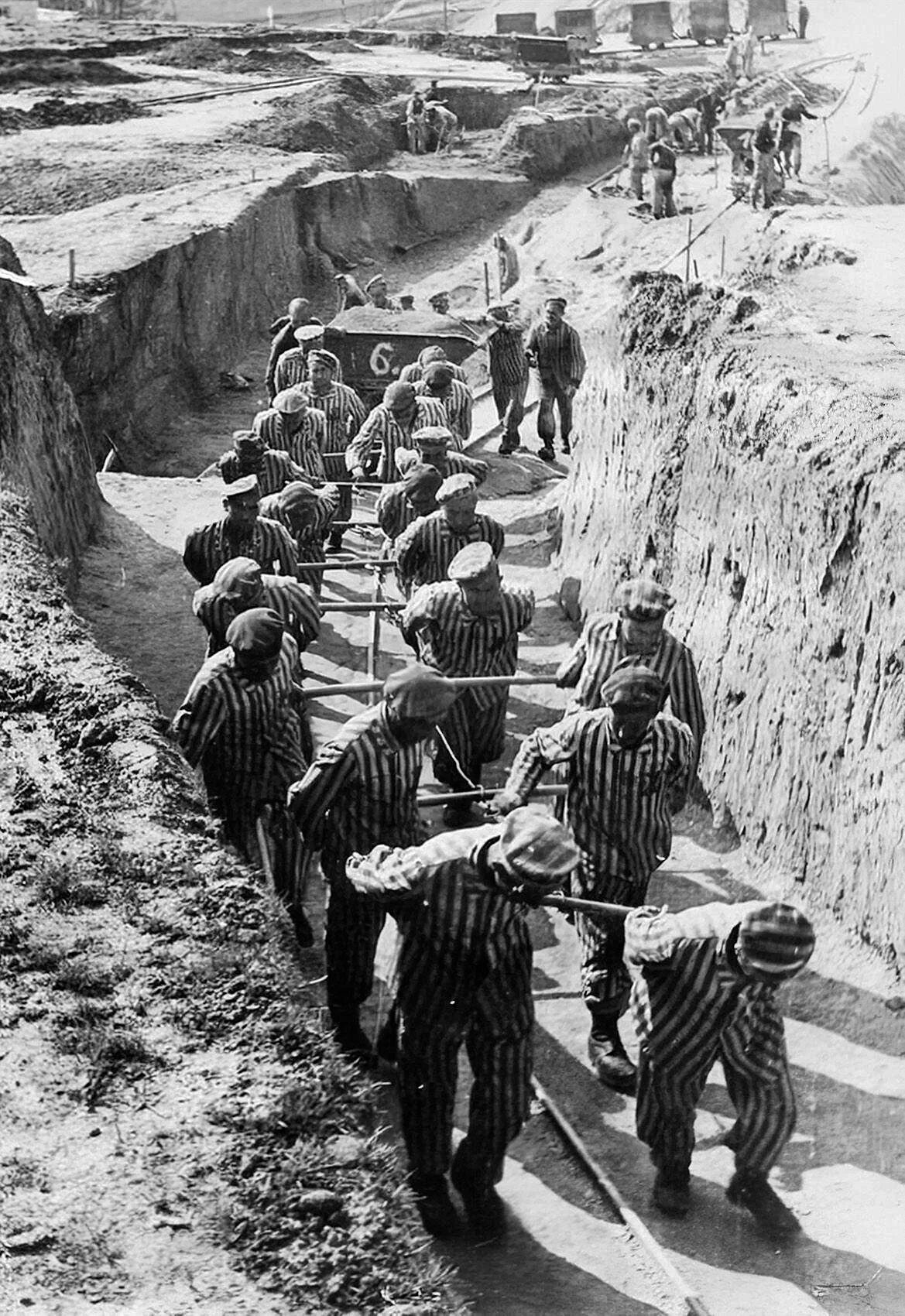
Prsioners in Mathhausen concentration camp

Following the liberation, Wiesenthal was taken to a recovery camp in Linz. In April 1946, when American liberators established a small synagogue and brought a Torah scroll from the United States for a dedication ceremony, Wiesenthal refused to attend.

"I told my friends I would not take part," he recalled. "I could not tell them that I never wanted to see a Rabbi again. I could not forget the greedy man who traded faith for food. I was finished with such people."

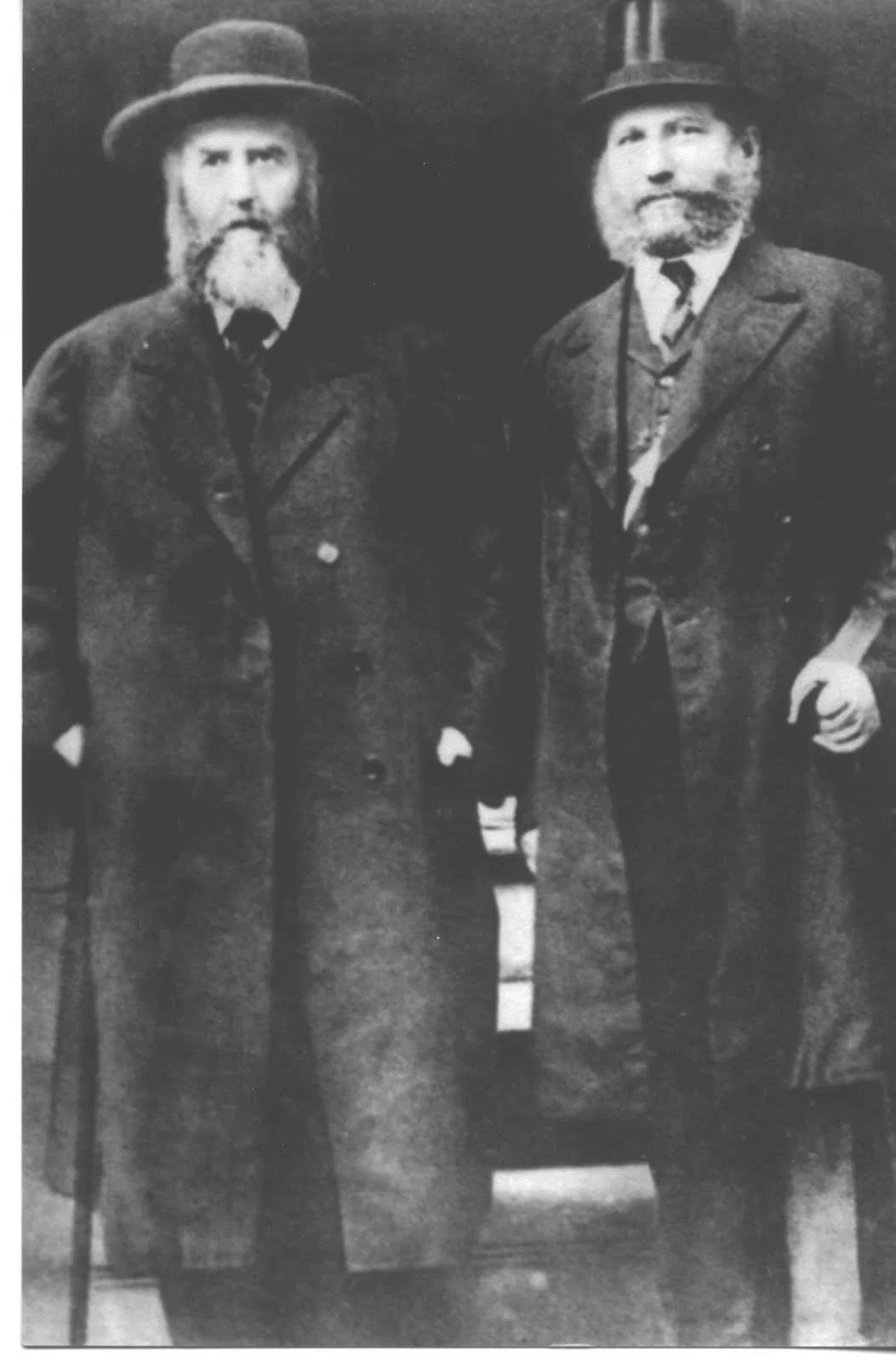
That night, Wiesenthal was visited by Rabbi Eliezer Silver, the President of the Union of Orthodox Rabbis of the U.S. and Canada, who had come to Europe to assist survivors. Dressed in an American military uniform with a flowing white beard, the 75-year-old Rabbi placed a hand on Wiesenthal’s shoulder.

"So, they tell me you are angry with God?" Rabbi Silver asked in Yiddish.

Ready for more?

Wiesenthal replied that he wasn't angry with God, but with one of His servants. He then recounted the horrific story of the Hungarian Rabbi and the soup rations.

Rabbi Silver listened, his eyes glowing with kindness. "And that is all you have to tell me?" the Rabbi asked.

"Is it not enough?" Wiesenthal challenged.

"You fool," the Rabbi replied gently. "Why do you only remember the one bad man who took something from the good people? Why don't you remember the hundreds of good people who were willing to give up their life-sustaining food just to talk to God for five minutes?"

The realization hit Wiesenthal like a thunderbolt. He had focused on the darkness of the seller rather than the magnificent light of the buyers, the starving Jews whose thirst for holiness outweighed their hunger for bread.

Rabbi Eliezer Silver

The next morning, Simon Wiesenthal attended the prayer service. He spent the rest of his life remembering that there are always two sides to every story, "even if it is as difficult to see as the other side of the moon."

Ready for more?

Join our newsletter to receive updates on new articles and exclusive content.

We respect your privacy and will never share your information.