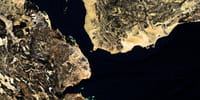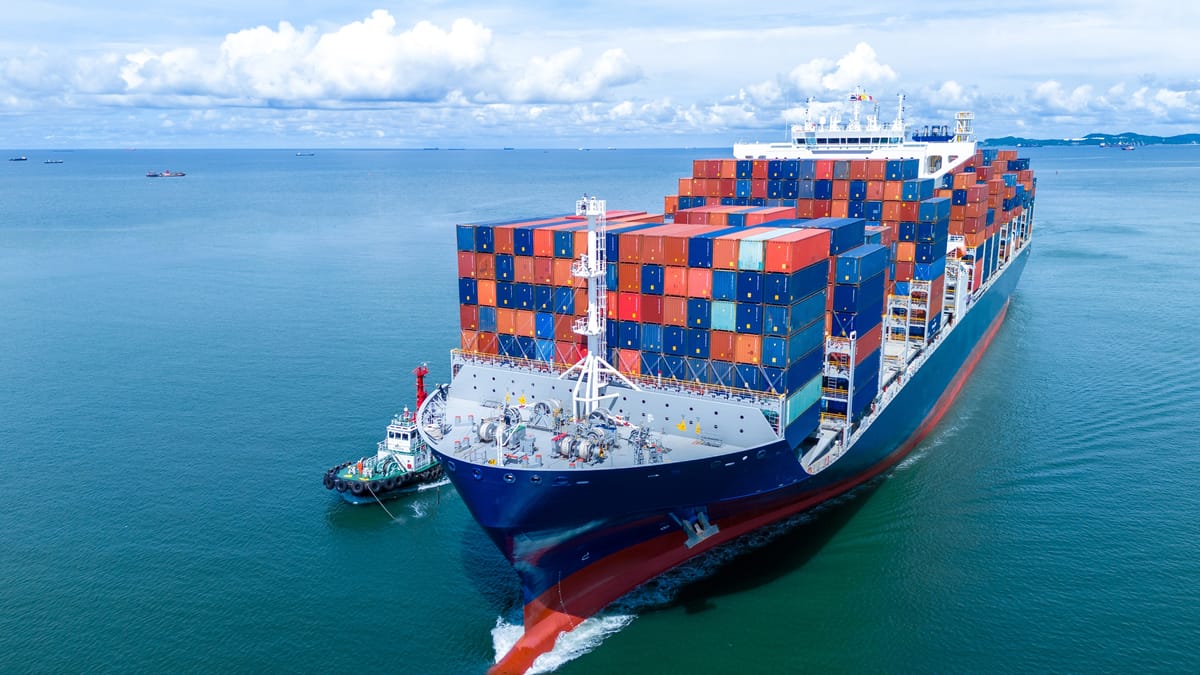
In a move that seeks to permanently alter the maritime landscape of the Middle East, Iran has officially informed the International Maritime Organization (IMO) of a new and restrictive transit policy for the Strait of Hormuz. According to a letter distributed to member states, Tehran will now only permit "non-hostile" vessels to navigate the critical waterway, provided they coordinate directly with Iranian authorities. This declaration effectively formalizes a blockade against any ship affiliated with the United States, Israel, or any other nation participating in the current war, marking a dramatic shift in how the regime intends to leverage its geographic position.
The Maritime Protection Racket
The financial and logistical implications of this policy are staggering. Since the war broke out on February 28, the Strait has been almost entirely paralyzed, leaving approximately 3,200 vessels currently stuck in the Persian Gulf. These crews are refusing to risk the narrow 21-mile passage where at least 22 ships have already been struck by Iranian fire. Analysts suggest that the regime is using this blockade as a massive revenue stream, with reports surfacing that some shipping companies have paid up to 2 million dollars in "protection fees" to ensure their vessels are not targeted. By forcing ships to verify their identity through Iranian territorial waters, Tehran is asserting a level of control that global powers have spent decades trying to prevent.
This development provides context to President Donald Trump’s recent claims that Iran handed the United States a "gift" worth a massive amount of money. Trump suggested that this gesture was related to oil and gas movement rather than nuclear concessions, stating, "It showed me that we are dealing with the right people. From now on we will have control over everything we want in the Strait of Hormuz." However, the Iranian Foreign Ministry’s letter suggests that this "gift" may actually be a calculated attempt to dictate which nations are allowed to participate in global trade. While the IMO held emergency meetings to discuss a "humanitarian corridor" for trapped ships, Iran appears determined to maintain its grip on the waterway as its primary strategic lever against the West.