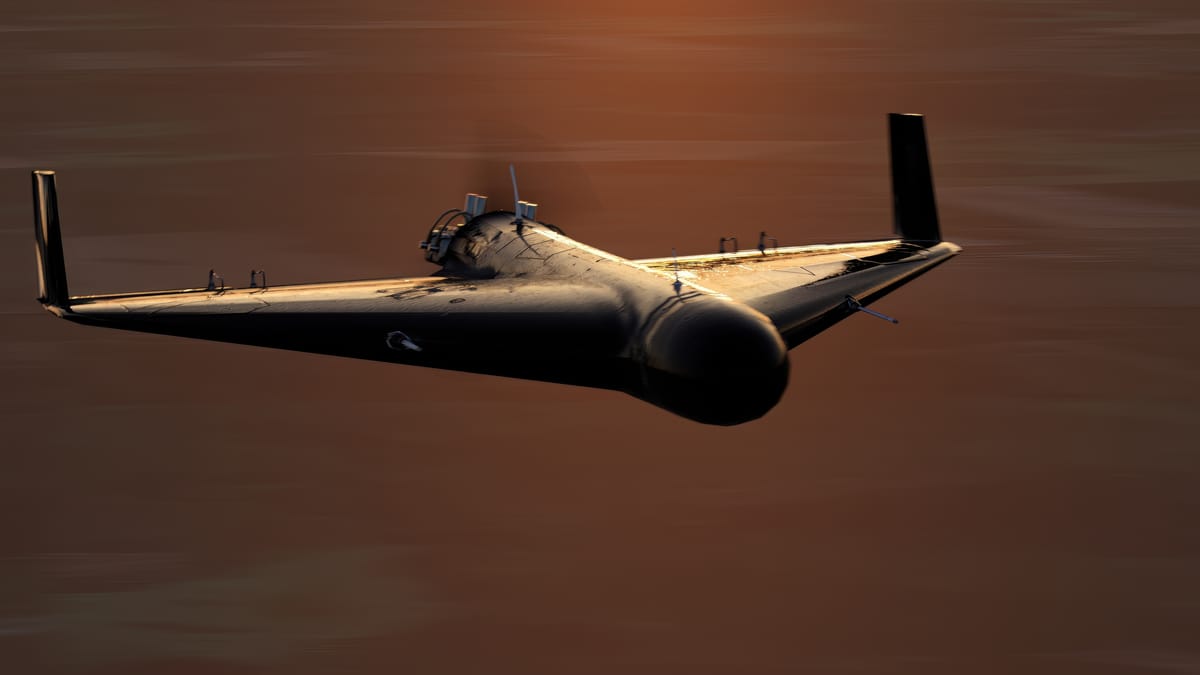
Senior national security officials have exposed a highly coordinated, multi-agency military operation designed to completely neutralize the threat of explosive drones along the northern border. While regional hostile forces continue to launch unmanned aerial vehicles toward frontline positions, public reporting on the incidents has plummeted due to immense defensive successes. Defense agencies are registering an unprecedented interception rate, quietly disabling advanced guided weapons before they can impact sovereign territory or military personnel.
The technical dragnet relies on an unprecedented collaboration involving the Defense Ministry's Directorate of Defense Research and Development, the Technological and Logistics Directorate, and elite military intelligence units. These government bodies have partnered with private defense industries to rapidly field a diverse array of operational solutions to detect and destroy fiber-optic guided drones. Security experts noted that even the ongoing war between Russia and Ukraine has failed to produce a flawless, end-to-end solution to this specific airborne threat.
A senior defense source detailed the ongoing technical struggle, noting that there are clear results on the ground and multiple successes, though the public must maintain immense patience. The official explained that the defensive framework combines advanced technological jamming with highly strategic maneuvers executed by ground forces. The military emphasizes that altering behavior patterns in the field, utilizing diverse firepower, and accelerating intelligence processing are just as vital as physical interceptions.
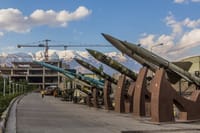
The comprehensive anti-drone campaign also features aggressive offensive actions, including a recent high-profile airstrike targeting a secure safehouse in Beirut. The targeted apartment served as a command hub for field commanders and specialized technicians responsible for directing kamikaze drone operations against forces stationed along the Yellow Line. The precise strike eliminated core leadership assets, triggering a wave of retaliatory ballistic missile launches from proxy networks based inside Iran and Yemen.
Simultaneously, elite special forces units have executed high-risk ground operations deep within Lebanese territory, explicitly crossing the established Yellow Line to neutralize emerging threats. These commando teams are tasked with physically pushing drone operators away from the border while actively hunting advanced Kornet anti-tank guided missile systems. By combined rapid fire loops with preemptive ground incursions, the military is successfully disrupting the operational freedom of hostile networks.