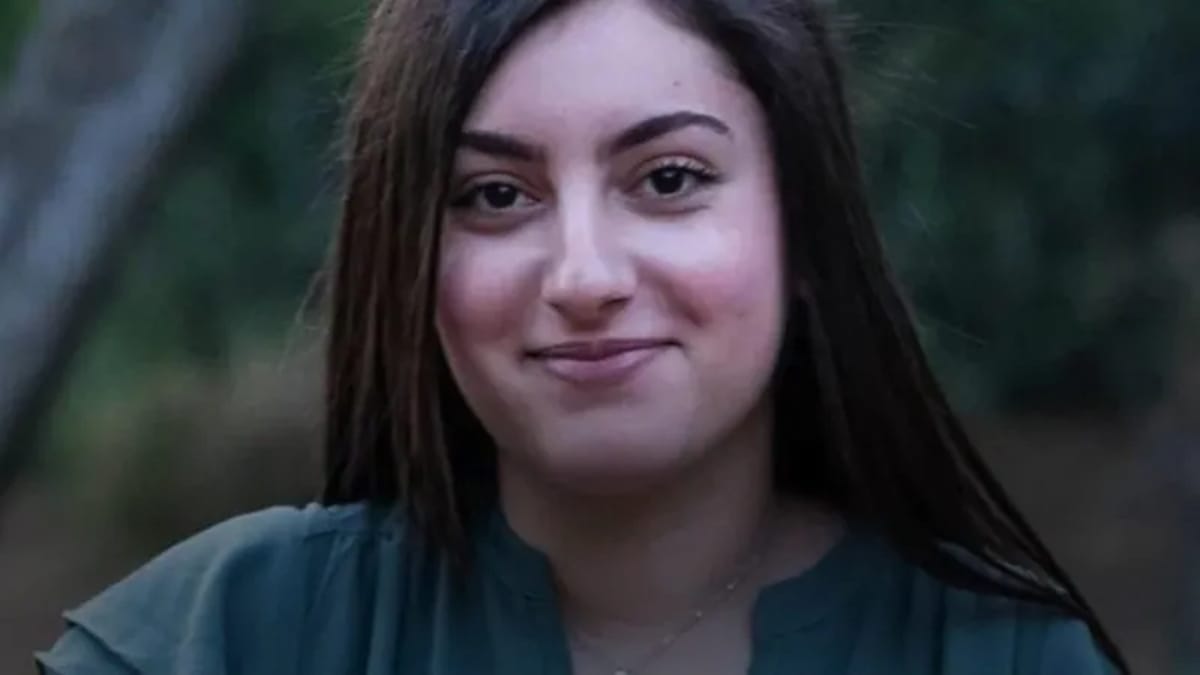
In a moving and raw interview with Galei Tzahal, former hostages Naama Levy and Karina Ariev shared their reflections on surviving Hamas captivity and the complex journey of rehabilitation following their release. A year after returning home, the two young women detailed the psychological battle they waged against the terrorists, most notably during the staged release ceremony designed by Hamas to be a public humiliation. Instead of feeling broken, they described a surge of instinctive pride and a deep sense of victory. Their story is one of profound resilience, from the initial horrors of the October 7th massacre at the Nahal Oz base to the unexpected comfort they found in one another while being held in a foreign land.
Surviving the Propaganda
When the time finally came for their release, the terrorists organized an elaborate public event intended to show their control. However, Karina Ariev explained that the attempt to degrade them completely failed. "We understood that there was going to be a ceremony. We just went there. We got up on stage, and I know that, for me, and for the other girls, it was instinctive. We won, we survived, you didn't break us. We are strong, proud of ourselves and our nation. We didn't even realize that the ceremony was designed to be humiliating," she said. This internal strength allowed the women to walk out of Gaza not as victims, but as survivors who had outlasted the efforts to destroy their spirits.
The bond between the women was forged in the most terrifying of circumstances. Karina recalled the moment she first encountered Naama in a house in Gaza. She and another hostage had hidden in a bathroom during a moment of privacy when they heard someone else being brought in. "We saw the terrorist, and we saw someone who was completely covered, and we realized that it's Naama," Karina remembered. The relief was so immense that she said they did not stop talking for two or three days straight, finding a lifeline in their shared language and shared nightmare.
The Long Path to Healing
For Naama, the memories of the initial attack on October 7th remain vivid and agonizing. She described the hours spent in the bomb shelter at the Nahal Oz base as a period where time seemed to stop. "Those hours felt like an eternity. You sit with your friends who were murdered, and you don't understand why it doesn't pass, and you don't know what's going to happen," she recounted. The trauma of being surrounded by loss while awaiting an uncertain fate has left scars that only began to surface long after the initial joy of her return.
Both women admitted that the transition back to normal life has been far more difficult than they originally anticipated. While the first few months were marked by a "crazy euphoria" of being back with family and friends, that feeling eventually faded, replaced by the reality of the emotional work required to heal. "The moment everything calmed down and settled, struggles that still need to be digested and experienced arise," they explained. Their ongoing rehabilitation serves as a reminder of the long-term human cost of the war and the incredible mental fortitude required to reclaim a life stolen by terrorists.