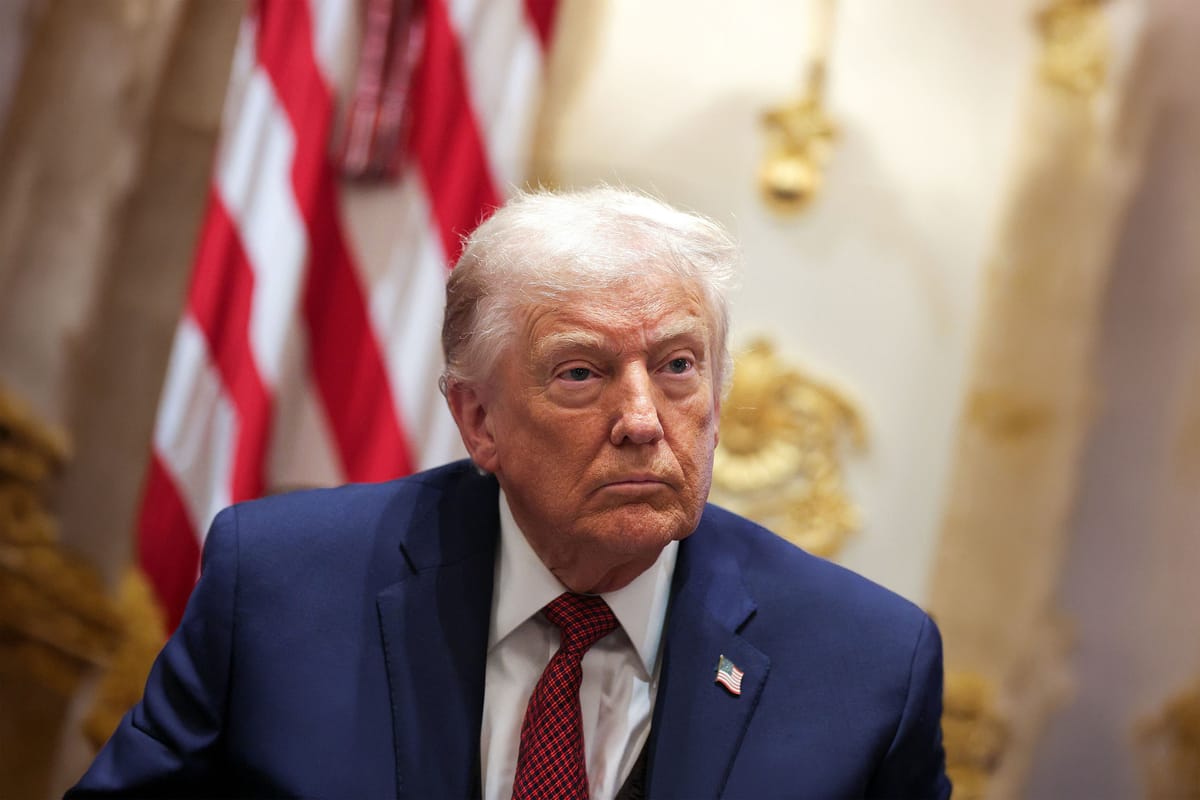
Speaking from Kentucky on Wednesday evening, President Donald Trump delivered a clear and firm message regarding the ongoing war with Iran, asserting that the United States military will remain engaged until its objectives are entirely met. The President emphasized a desire to break the historical cycle of intermittent wars in the Middle East, stating that he does not want the American military to return to a war with Iran every few years. By "finishing the job" now, Trump believes the US can secure a lasting peace and a permanent shift in regional power. While he had earlier suggested that the war might end "soon" due to a lack of remaining targets, his latest comments suggest a commitment to staying until the Iranian regime’s military infrastructure is completely dismantled beyond the point of recovery.
Breaking the Recurring Cycle
The core of the President’s argument is the need for a definitive conclusion to the Iranian threat. "We don't want to go back to war with Iran every two years, so we have to finish with it," Trump told the crowd. This perspective reflects a shift from temporary deterrence to a more permanent neutralization of the regime’s capabilities. He promised that the military would "finish the job very quickly," echoing his earlier claims to N12 that the campaign is moving far ahead of schedule. By refusing to "leave Iran" prematurely, the President intends to ensure that the massive investments in "Operation Epic Fury" result in a total victory rather than a temporary ceasefire that allows the Revolutionary Guard to rebuild.
The Status of the Campaign
President Trump’s remarks in Kentucky follow a five minute telephone interview with N12 where he noted that there is "almost nothing left" to strike within Iran. He described the remaining targets as being "a little here and there" and asserted that the war could end whenever he chooses. "At any moment I want it to end, it will end," the President claimed. He also highlighted the recent naval successes, specifically the destruction of 16 Iranian mine-laying boats in the Strait of Hormuz, which he credited with disrupting the regime’s plans to hold global oil supplies hostage. Despite this optimistic public outlook, internal discussions between American and Israeli officials suggest that a specific end date has not yet been set, as the coalition continues to pulverize what remains of the regime's military industry.
Strategic Resilience
While the President speaks of a rapid conclusion, the underlying strategy is one of total erasure. The US has moved from defensive posture to a systematic dismantling of every meaningful military asset the Iranian regime possesses. By publicly stating that the US will not leave until the work is done, Trump is signaling to both the Iranian leadership and the international community that the coalition is prepared to sustain its current level of pressure until the regime either collapses or surrenders unconditionally. The President’s focus remains on ensuring that this is the final war with the Islamic Republic, aiming to leave a Middle East where the "Axis of Resistance" no longer has a centralized power base in Tehran.