Concerning
Saudi Arabia Allegedly Bars Saudi Chief Rabbi
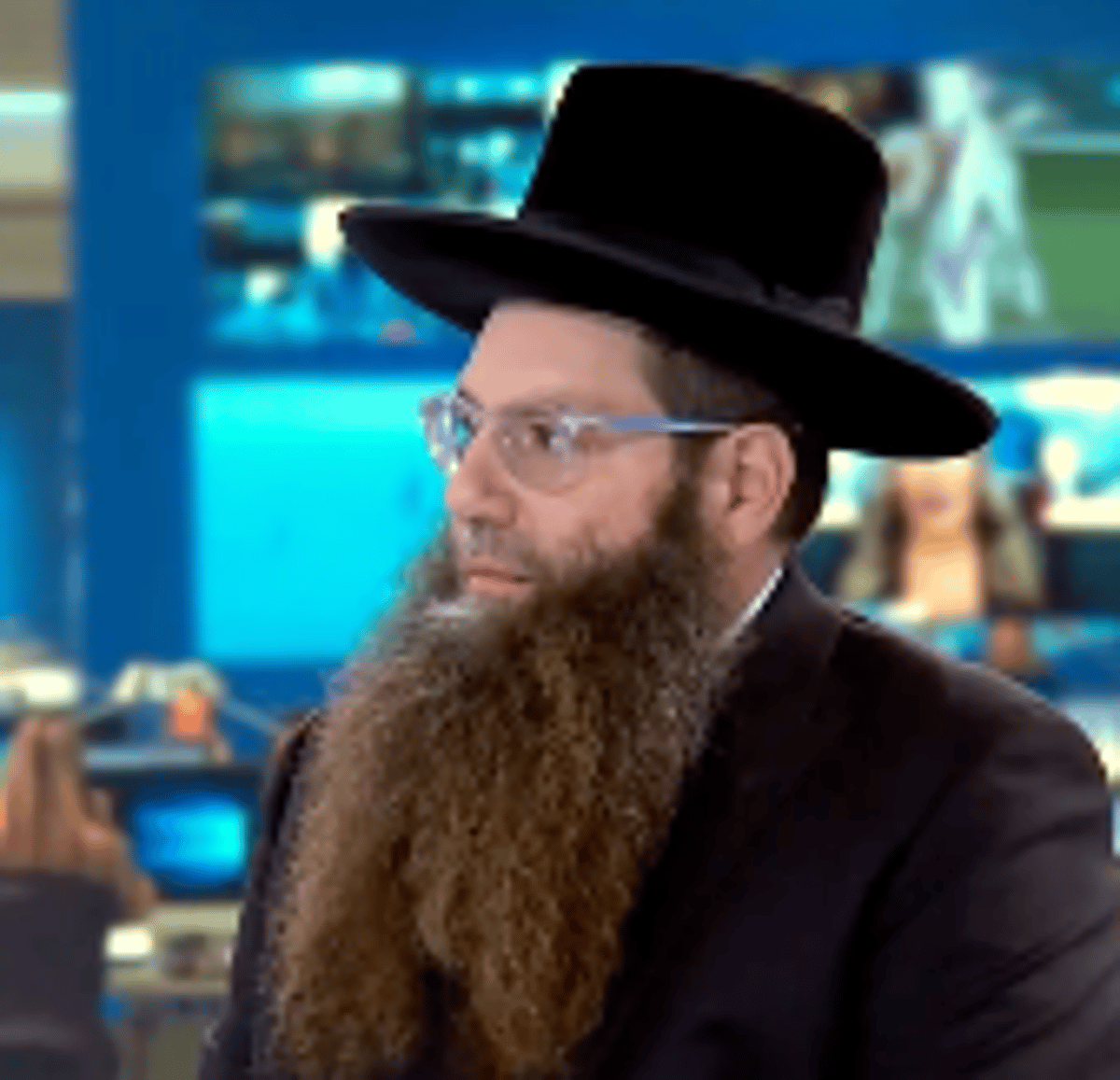
Rabbi Yaakov Israel Herzog, self-proclaimed "Grand Chief Rabbi" of Saudi Arabia, was unexpectedly denied entry to the kingdom despite a valid visa, raising questions about restrictions on the Jewish expatriate community he has served since 2019.

Rabbi Yaakov Israel Herzog, a dual American-Israeli citizen who proclaimed himself as the "Grand Chief Rabbi" of Saudi Arabia and the Arabian Peninsula since around 2019, announced that he was denied entry into the kingdom upon arrival at the airport. This claim marks a potential shift from his previously reported frequent travels to Saudi Arabia using his U.S. passport, where he provided informal religious services to a small expatriate Jewish community (estimated at 200–1,000 individuals, primarily professionals from the U.S. and Europe).
Herzog expressed deep regret and shock at being barred, despite holding a valid entry visa.
He emphasized his loyalty to Saudi leadership, including King Salman bin Abdulaziz and Crown Prince Mohammed bin Salman, praising their commitment to tolerance, peace, justice, and reform.Immigration authorities at the airport, and subsequent contacts within the Ministry of Interior, provided no explanation for the denial.
Herzog speculated that the decision did not originate from the Royal Court or the Saudi government itself but possibly from "shadowy forces" aiming to undermine the kingdom's path of openness and tolerance.
He reaffirmed his dedication to serving the Jewish expatriate community in Saudi Arabia, which he described as living in peace under the kingdom's system, and expressed confidence that the situation would be rectified.
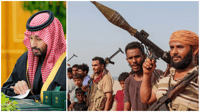
This allegation remains unverified by official Saudi sources. Saudi Arabia does not officially recognize any Jewish religious leadership, and public non-Islamic worship remains restricted, though discreet expatriate practices have been tolerated amid recent visa liberalizations for tourism and business.
This is not Herzog's first reported access issue. In October 2022, he was denied entry to the Future Investment Initiative (FII) conference in Riyadh due to what organizers called a "registration glitch," despite an invitation. However, this was event-specific and did not prevent subsequent country entries.
Post-2022, Herzog continued traveling to Saudi Arabia multiple times, establishing informal Jewish infrastructure like prayer services, holiday events, and kosher food provisions.
Herzog's role is unconventional and unrecognized by Saudi authorities. His U.S. passport has facilitated prior entries, bypassing restrictions on Israeli passports. Public reactions to his post (visible in replies) range from support for the alleged barring, citing Saudi sovereignty and opposition to Israeli ties, to skepticism about his claims or self-appointed title.
No credible reports from 2024 or early 2025 indicated entry bans until this announcement, suggesting this could be a sudden development tied to stalled Israel-Saudi normalization talks, exacerbated by the ongoing Israel-Palestine conflict. A 2024 Middle East Institute study noted a 30% rise in anti-normalization sentiment on Saudi social media, which could influence immigration scrutiny. U.S. State Department advisories (updated 2025) highlight Saudi Arabia's lack of formal Jewish communities since the 1970s and restrictions on non-Islamic practices, potentially amplifying sensitivities around figures like Herzog, who holds Israeli citizenship and promotes interfaith dialogue.
If this barring is confirmed, it could signal heightened caution toward individuals with Israeli affiliations amid broader diplomatic strains.