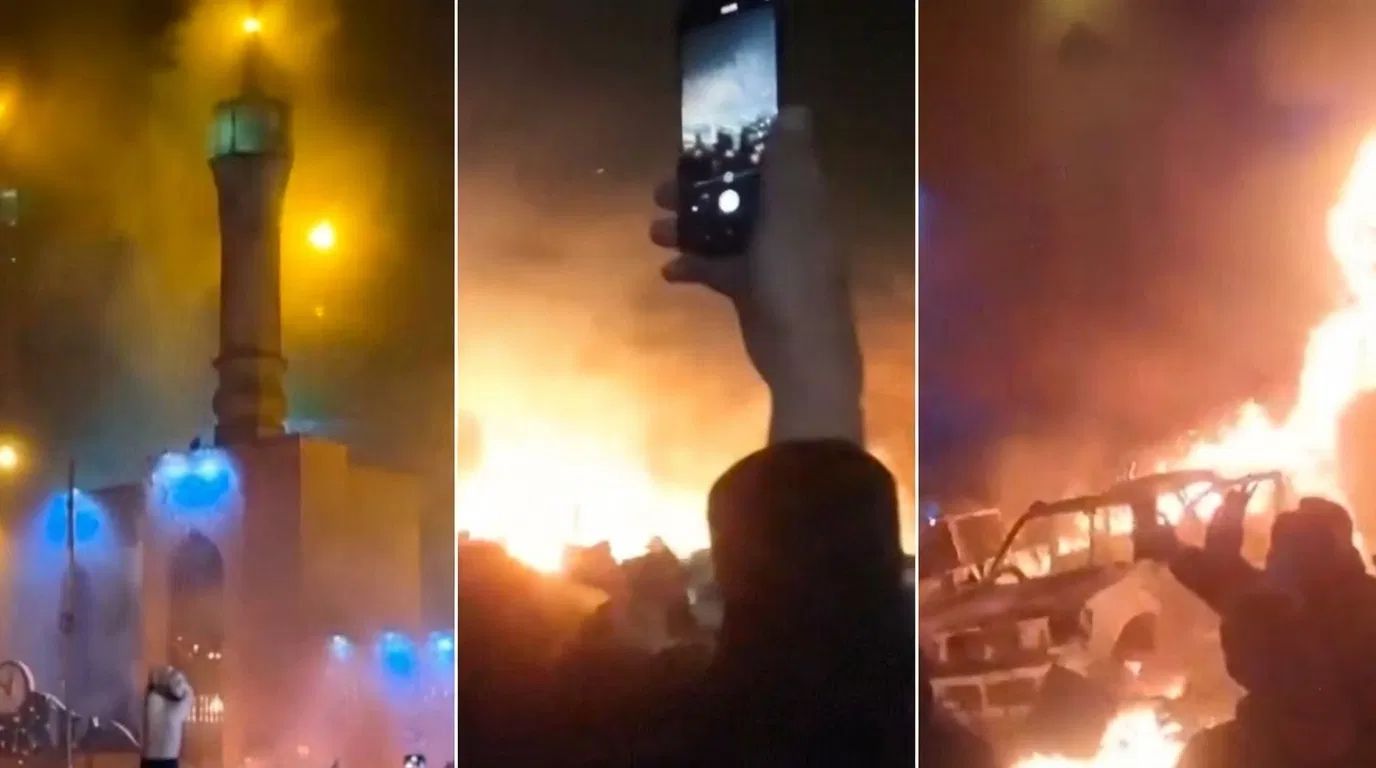
The simmering rage now bubbling in the darkened alleys of Tehran isn't directed solely at the ayatollah regime that's crushing the bones of young people in detention basements. In the past week, a new target has been added to the list of objects of bitter anger on the Iranian street: United States President Donald Trump.
For the people who risked everything based on posts on Truth Social and promises of imminent military aid, the turnaround in Washington's stance feels like a historic betrayal."He's not just yellow on the outside, he's yellow on the inside too," spat a Tehran art teacher, in a phrase that sums up the sense of cowardice they believe the American president showed in the moment of truth.
The British 'Times' magazine has collected testimonies from frustrated Iranians about Trump's handling after he announced that he had suspended or even canceled the planned strike against the regime, following his promise that "help is on the way." The feeling on the Iranian street is that Trump is no less guilty for the deaths of Iranians than the regime itself.
Those words "help is on the way" gave the regime's rebels strength and courage they'd never known, because they trusted Trump's word. After all, he's the one who said just a week earlier, "I'm not playing games." The result: Thousands (and perhaps tens of thousands) killed in the streets of Iran.
While the West and the regime continue to speculate about a future strike, none of this helps the tens of thousands of detainees awaiting death sentences around the corner, or the tens of thousands of families who lost their loved ones in brutality.
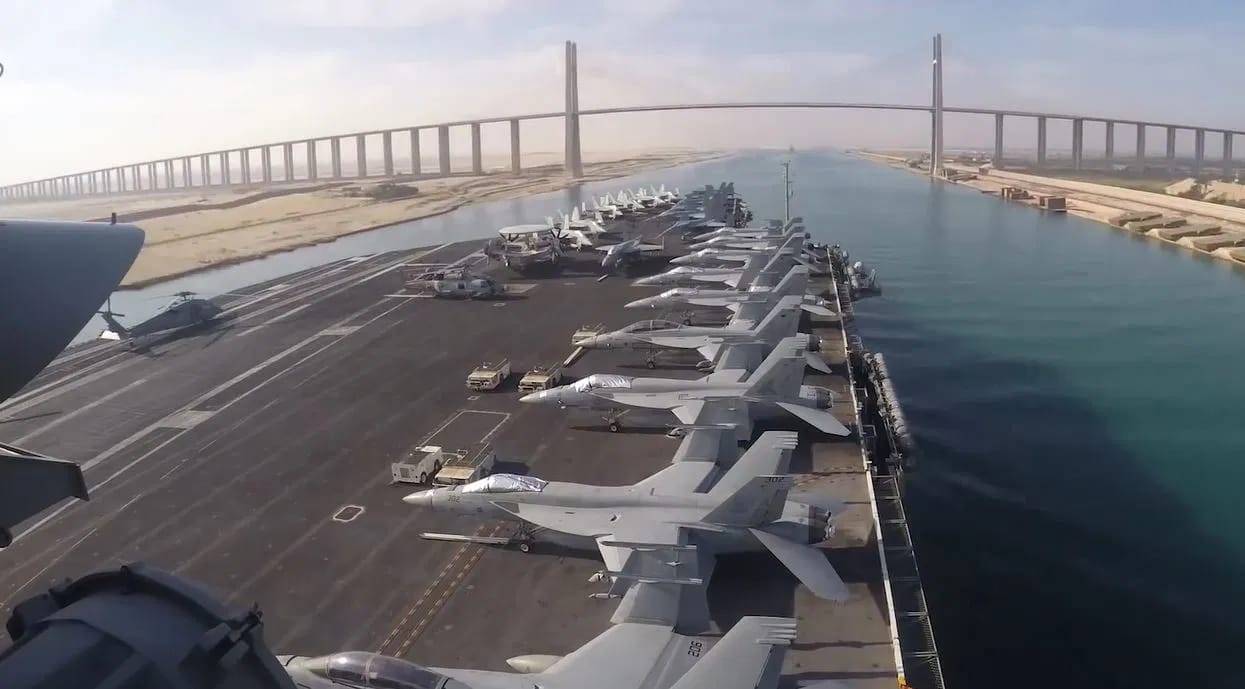
The guesses and talk of an impending strike don't exist in a vacuum: The US is concentrating historic firepower in the Middle East that could bring the regime to a critical breaking point, the moment the commander-in-chief orders an attack.
And yet, so far, it hasn't happened. International attention around the colorful figure of the US president has shifted from Iran to Greenland and tariffs, and an unprecedented rift in US-Europe relations.
It seems, as the Iranians feel, that Trump has abandoned them to their cruel fate. Still, if something does happen in the end, they might finally see the light at the end of the dark tunnel they're in.
Shock hit the protesters last Thursday, when Trump, who just days before had declared his military ready and poised for a rescue mission, announced he had decided to back away from his military intentions after receiving assurances from Tehran to halt the killings.
After he said the Iranian authorities told him there would be no more killings and executions, everyone was just stunned," said an Iranian who was interviewed after crossing the border and leaving the country. According to him, the street simply boiled over: "Everyone just kept saying that bastard used us as cannon fodder. Iranians feel like they were played, that he led them astray, tricked them, deceived them."
This feeling, of citizens turned into pawns in a cynical geopolitical chess game, echoes in every testimony coming from the ground. A 40-year-old businessman from the capital didn't hold back with harsh words and historical comparisons: "Trump is worse than Obama. He messed up. He pulled the rug out from under our feet."
The comparison to Obama wasn't exclusive to the Iranians. Even Republican Senator Lindsey Graham, close to Trump, wrote after Trump's announcement that he is "not Biden and not Obama," like a cry of distress toward the White House that it's time to act.
In fact, even if the US president orders a strike by the end of the week, no matter how extensive, one thing is clear: The US has lost the momentum. The protests have subsided, the regime has had time to strengthen and Iranian morale is at rock bottom. Very different from what it was at the start of last week, when it clearly seemed the regime's end was near.
To understand the depth of the fracture, we need to go back to the peak days of hope, days when it seemed the West truly stood behind the Iranian people's aspirations for freedom.It all started on December 28, when Tehran's grand bazaar became a focal point of rage due to the catastrophic currency collapse.
Quickly, the economic protest turned into full-scale civil disobedience against Ali Khamenei's rule. On January 2 came Trump's explicit promise: If the regime shoots at protesters, the United States will come to their rescue. Millions took those words at face value.On January 8, encouraged by the opposition abroad and the calls from the crown prince, they flooded the streets in a massive show of force, believing the American umbrella would protect them.But instead of an umbrella, they met snipers and machine guns.
The businessman from Tehran describes the terrible price paid by those who believed the promises from Washington: "When I saw the man a few meters in front of me fall backward, I didn't understand what happened.As we gathered around him, all I could see in the dark night was a red stain on his forehead. Only when the blood from the back of his head pooled at our feet did we realize he'd been shot by a sniper."
In his view, responsibility for that death doesn't lie only with whoever pulled the trigger in Tehran. "Trump is also responsible for the deaths of those 15,000," he states based on local estimates of the death toll, "because many of the protesters took to the streets when they saw his post that the US was locked and loaded."
The suppression didn't stop in the capital. In the northern city of Zirab, testimonies describe a well-planned ambush on January 9. "The streetlights went out, and machine guns started firing," recalls a 39-year-old local resident."You couldn't see anything, everyone fell, whether from bullets or because they couldn't see the path ahead as they tried to flee." In a small town of just a few thousand, 17 people disappeared that night.