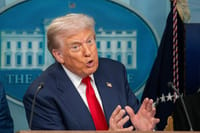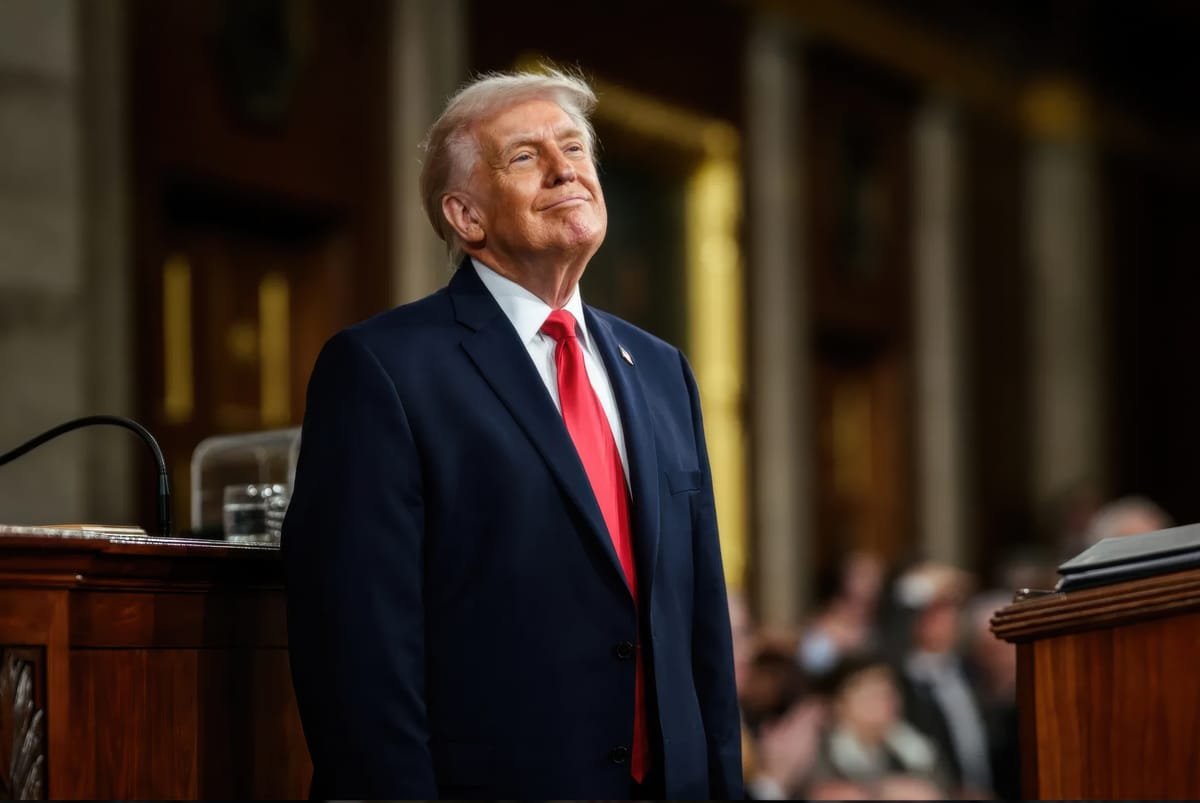
A highly volatile diplomatic standoff has emerged from the Oval Office after United States President Donald Trump issued an unconventional public warning regarding local border deployments. The American leader responded directly to recent policy decisions announced by the highest echelons of the Israeli security apparatus. The unexpected remarks from Washington have quickly rippled through international diplomatic networks, signaling a aggressive push toward regional enforcement.
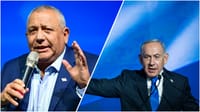
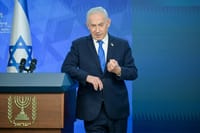
The geopolitical friction intensified following a rare joint proclamation released by Prime Minister Benjamin Netanyahu, the Defense Minister, and the military Chief of Staff. The three leaders explicitly clarified that their combat battalions will continue operating resolutely to neutralize immediate security threats along the northern border. They emphasized that national forces will maintain a permanent security zone in southern Lebanon to protect citizens, stating that civilian safety remains entirely non-negotiable.
President Trump addressed reporters almost simultaneously, expressing supreme confidence in his personal ability to dismantle the current political gridlock. The American president stated that he resolves complex geopolitical problems very quickly, specifically noting that his approach includes handling Bibi. He refrained from providing specific tactical details regarding his intended strategy but insisted that his administration is analyzing the territorial dispute very thoroughly.
The commander-in-chief also directed a balanced combination of warnings and diplomatic incentives toward the Islamic Republic of Iran regarding compliance with broader regional treaties. Trump asserted that as long as the leadership in Tehran respects the United States, there will be absolutely no problem between the nations. However, he heavily conditioned this peaceful outlook by adding that if the regime violates the agreement, he will execute all necessary countermeasures.
In a parallel development, Iranian Parliament Speaker Mohammad Baqer Qalibaf confirmed that extensive diplomatic coordination is actively taking place with American representatives. Speaking during an official visit to Oman, Qalibaf announced that both Iran and the United States will mutually guarantee the absolute territorial integrity of Lebanon. He noted that the two world powers are working through a specialized international monitoring oversight group tasked with enforcing the active ceasefire.
The Iranian official further revealed that negotiators are exceptionally close to finalizing a major financial arrangement that has been pending for years. The upcoming signature is expected to immediately trigger the release of twelve billion dollars in frozen Iranian assets currently held in foreign accounts. This massive financial influx comes at a highly delicate time as regional actors transition from kinetic operations to diplomatic negotiations.
The assertive stance from Washington highlights a growing desire to impose a rapid conclusion to the border hostilities, irrespective of domestic political preferences. This structured state diplomacy stands in direct contrast to the protracted, chaotic warfare favored by ideological networks like Hamas terrorists, who continue seeking regional destabilization. The shifting balance of pressure from the White House will likely test the unified resolve of the Israeli security triad over the coming weeks.