The United States is finalized to execute a massive wave of aerial bombardments against primary military installations, prompting regional defense networks to enter a state of maximum combat readiness. Security analysts indicate that the White House is rapidly escalating tactical pressure through direct threats of overwhelming force, aiming to compel compliance at the negotiating table. However, top Israeli political and defense leadership harbor severe doubts regarding any diplomatic treaty, openly preferring a resumption of active warfare to permanently neutralize regional threats.
Maximum operational tension has gripped defense networks following confirmations that American aerial refueling tankers, which sustained yesterday's initial bombardment, took off directly from Ben Gurion International Airport. This specific staging method has forced local anti-air batteries into peak alertness to intercept immediate retaliatory missile barrages. Washington provided local officials with a brief advance warning of the impending campaign through specialized diplomatic channels established in the United States.
While the initial wave of attacks was executed entirely by American fighter jets and naval assets, deep anxieties remain that regional forces will launch ballistic missiles directly at local populations and allied bases housing Western troops. This escalating warfare has placed several Gulf nations and neighboring Arab states squarely in the line of fire. Following devastating missile strikes targeting Kuwait and Bahrain, recent reports confirm that Jordan has also sustained direct hits from regional forces.
An official closely connected to the leadership of the United Arab Emirates expressed severe frustration, noting that the country is deeply troubled by the continuous attacks against neighboring states, which raises massive question marks regarding the future of regional security. Jordanian representatives echoed this profound frustration during urgent security briefings, drawing a definitive line by insisting that any future diplomatic treaty must provide absolute guarantees for the sovereignty and safety of all regional states.
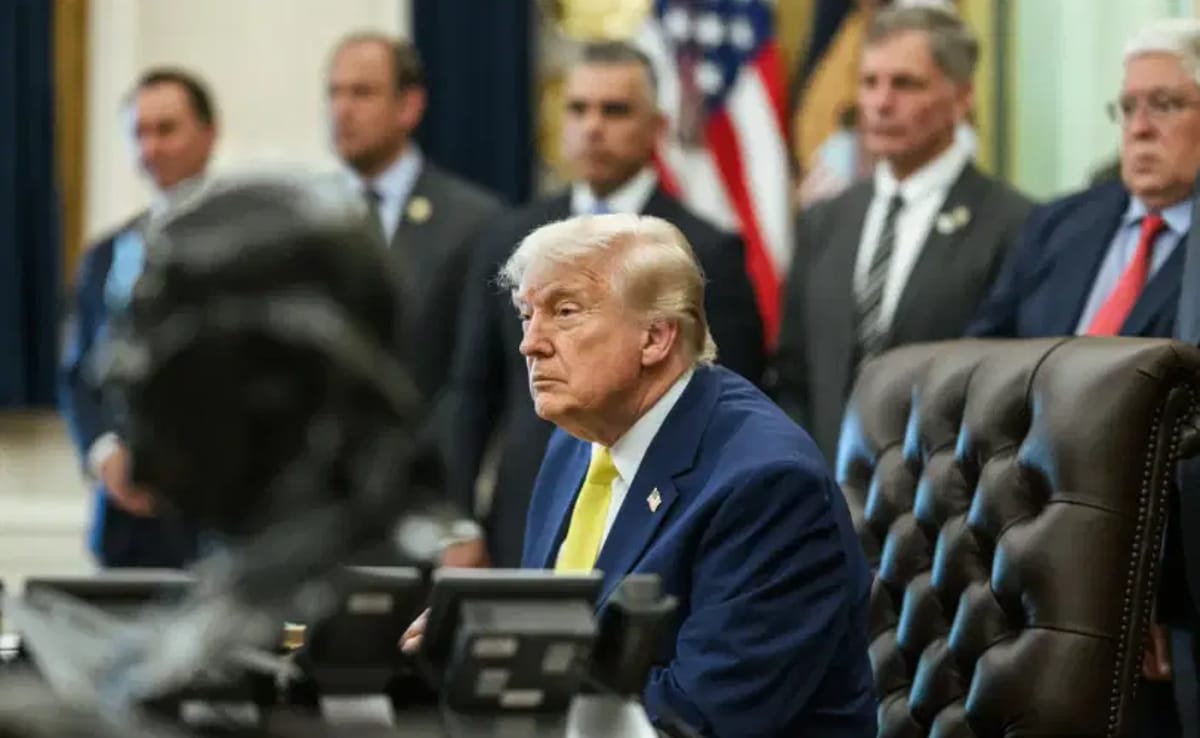
Simultaneously, Donald Trump convened a highly dramatic crisis meeting inside the White House Situation Room alongside Vice President JD Vance, Secretary of State Marco Rubio, CIA Director John Ratcliffe, and Joint Chiefs Chairman Dan Kaine. Defense Secretary Pete Hegseth joined the high-level briefing via a secure video feed from the United States Central Command headquarters in Tampa, Florida. Intelligence sources reveal that the administration is seriously weighing a large-scale, short-duration military operation designed to apply maximum pressure on foreign negotiators.
During the command meeting, Hegseth announced that forces will strike hard, targeting core national assets of the adversary. He revealed that the military utilized the recent temporary ceasefire to drastically upgrade intelligence networks and completely modernize the regional target bank, which is now vastly larger and more advanced than at the start of the war. Qatari mediators attempted to salvage collapsing diplomatic talks during emergency meetings in Tehran, but American defense officials remain confident that further devastating strikes will move forward immediately if a total breakthrough is not achieved.