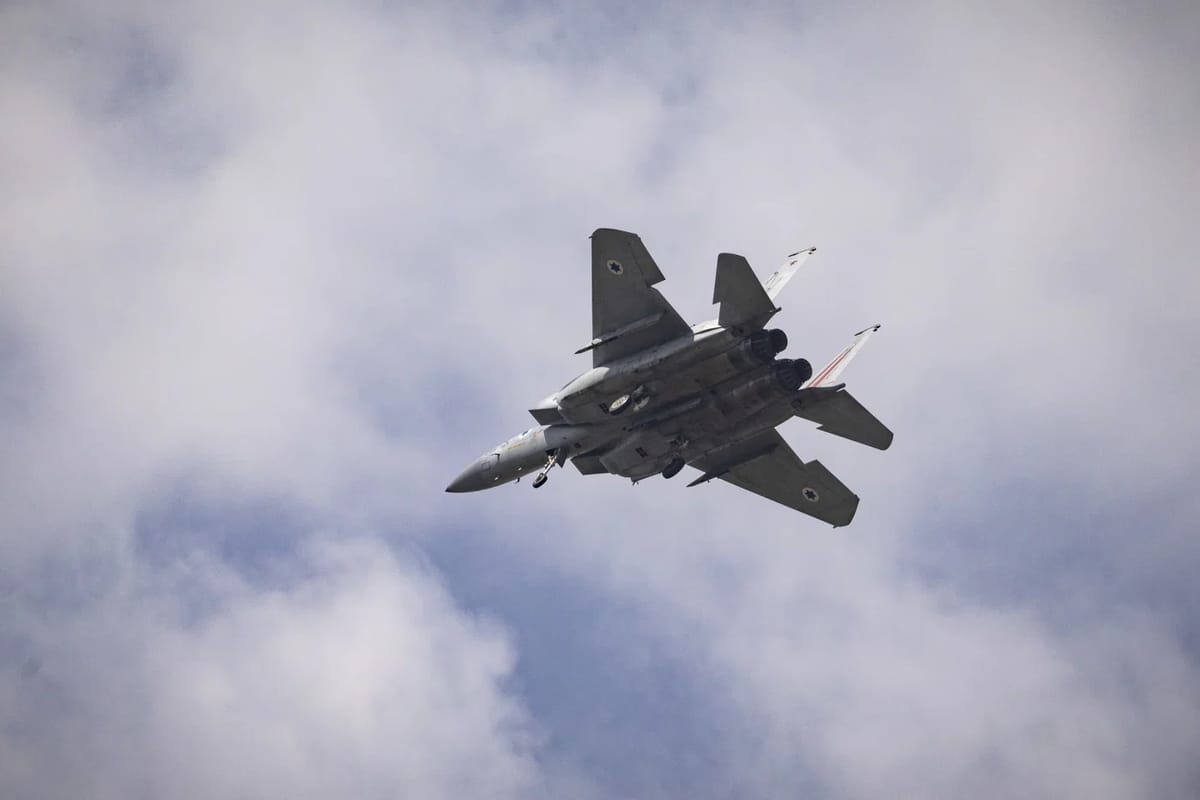
Behind the scenes of the current military buildup, President Donald Trump has grown deeply frustrated by a two-week delay in receiving a response from Iran regarding a comprehensive diplomatic proposal. White House officials revealed that the targeted American airstrikes launched earlier this week were specifically calculated to re-establish American leverage without completely ending the possibility of a diplomatic breakthrough. The administration had attempted to secure answers from Tehran hours before deploying its fighter jets, but received no cooperation.
The recent military action was carefully calibrated by the Pentagon to ensure no Iranian personnel were killed, focusing exclusively on radar sites and drone control facilities. US officials clarified that if any American pilots had been lost during the preceding drone incidents, the situation would be entirely different today. Despite the strikes, the White House explicitly notified Tehran that the targets were strictly military, prompting a relatively limited counter response from the Iranian armed forces.
The current diplomatic stalemate is particularly frustrating for Trump, who had previously offered Iran an unprecedented nuclear concession during a situation room meeting on May 29. For the first time, the United States was willing to allow Iran's enriched uranium stockpile to be down-blended directly on Iranian soil under the supervision of the International Atomic Energy Agency, rather than demanding its physical removal from the country. In exchange, Trump demanded the process be completed within 60 days and sought guarantees regarding safe passage through the Strait of Hormuz.
Iranian Foreign Minister Abbas Araghchi had requested several days to review the proposal with the upper echelons of the regime, but the decision-making process ground to a halt. During this window of delay, the geopolitical situation deteriorated rapidly when Israel launched a raid in Beirut, triggering an Iranian ballistic missile response against Israeli cities, followed by Israeli counterstrikes in Tehran. Regional mediators noted that the Iranian military response gave Prime Minister Benjamin Netanyahu a perfect opportunity to disrupt the delicate negotiations between Washington and the regime.
Trump's annoyance has been compounded by severe criticism from domestic media outlets, with liberal publications mocking his claims of an imminent treaty, while conservative commentators accuse him of being too soft on the Islamic Republic. The President has aggressively defended his policies online, praising the ongoing American naval blockade in the region as the most successful maritime siege in military history, describing it as a solid steel wall that prevents unauthorized transit.
Qatari intermediaries are currently engaged in intense shuttle diplomacy, flying directly to Tehran today in a desperate bid to rescue the draft treaty and bridge the massive gaps remaining between the two nations. While American negotiators maintain that the original agreement is still technically viable, the White House has made it clear that the President will not hesitate to inflict a severe economic and military toll if the Iranian leadership continues to drag its feet.