
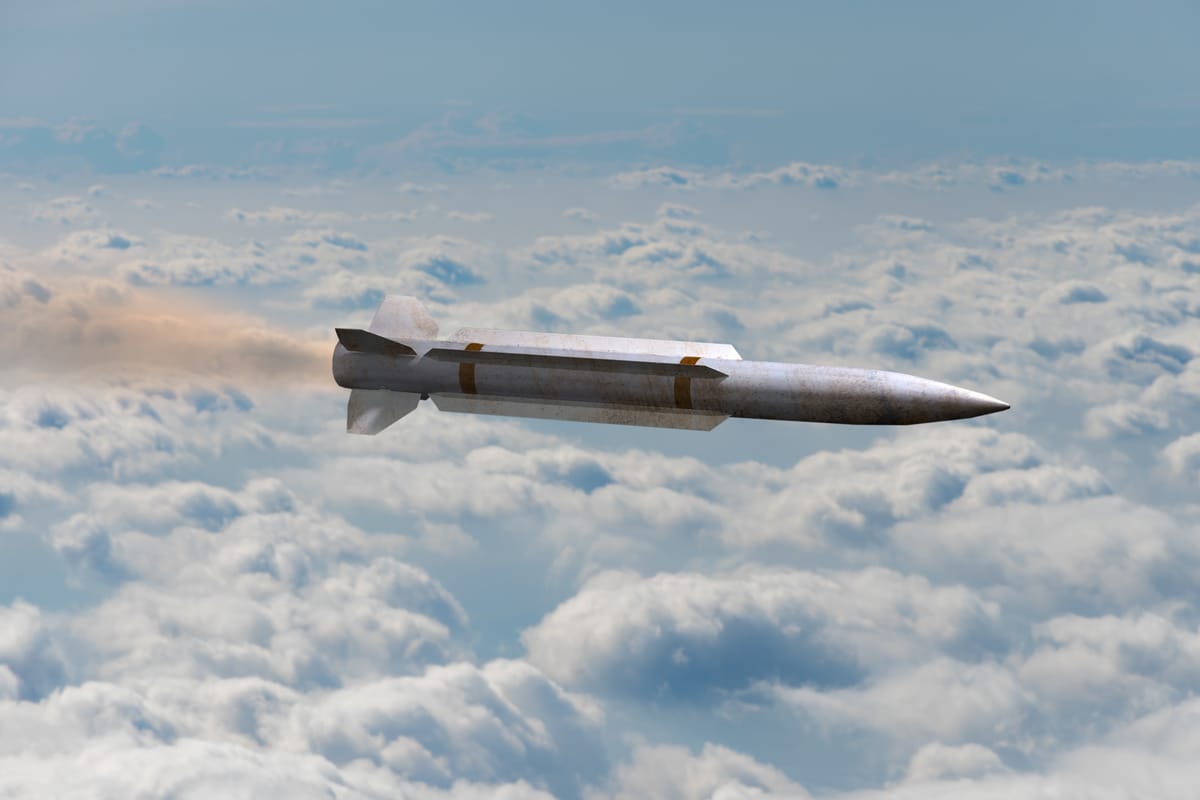
U.S. defense officials are expressing growing concern over the rapid depletion of the American Tomahawk cruise missile stockpile as the conflict with Iran intensifies. Reports from the Washington Post and Daily Mail indicate that the U.S. has already expended 850 Tomahawks, precision-guided assets costing between $2 million and $3.6 million each, since the start of the war.
The "magazine depth" of the U.S. military is under extreme pressure due to a significant gap between consumption and production.
Stockpile Status: Sources describe the current supply as "alarmingly low," with some officials warning that the inventory is nearing "Winchester" status (military slang for "out of ammunition").
Production Lag: Historically, only a few hundred Tomahawks are produced annually. In the last fiscal year, the Navy purchased just 57 missiles, a figure dwarfed by the hundreds fired in the opening weeks of "Operation Epic Fury."
Emergency Measures: Officials are urgently debating whether to pull Tomahawk stocks from the Indo-Pacific region, potentially leaving U.S. assets in that theater vulnerable to other global adversaries.
Despite internal alarms, the Department of War is projecting a front of total readiness.
"The Department of War has all that it needs to carry out any mission at the time and place of the President’s choosing and on any timeline," stated Sean Parnell, the Chief Pentagon Spokesperson.
Strategic Shifts and Operational Risks
As the high-end missile inventory shrinks, the U.S. may be forced to rely more heavily on traditional aircraft dropping "dumb bombs." While the U.S. and Israel currently maintain air superiority over Iran, this shift is not without cost:
F-35 Incident: Last week, a stealth F-35 was hit by Iranian fire, forcing an emergency landing at a U.S. base.
Regional Escalation: Houthi rebels in Yemen recently launched a missile into southern Israel as a warning to Washington, signaling that the maritime lanes in the Red Sea remain a contested front.
Several critical questions remain unanswered by official sources:
True Stockpile Size: The exact number of missiles remaining is a closely guarded secret. Estimates range from 3,000 to 4,500 at the start of the war, but it is unclear if these numbers account for older variants or "Maritime Strike" versions.
Production Timeline: While RTX (Raytheon) recently signed agreements to quadruple production to 1,000 units per year, it is unclear how long it will take for this "wartime snapback" to actually deliver new missiles to the front lines.