
Microalgae swept by ocean currents from Egypt's Nile Delta to Israel's coastline have forced the shutdown of most of the country's desalination facilities, offering a troubling illustration of a phenomenon known as "algal bloom" that is expanding worldwide.
Climate & Infrastructure
Algae Blooms Cripple Israel's Water Supply
Swarms of microalgae drifting from Egypt's Nile Delta have disabled most of Israel's desalination facilities, highlighting a growing global threat to water security

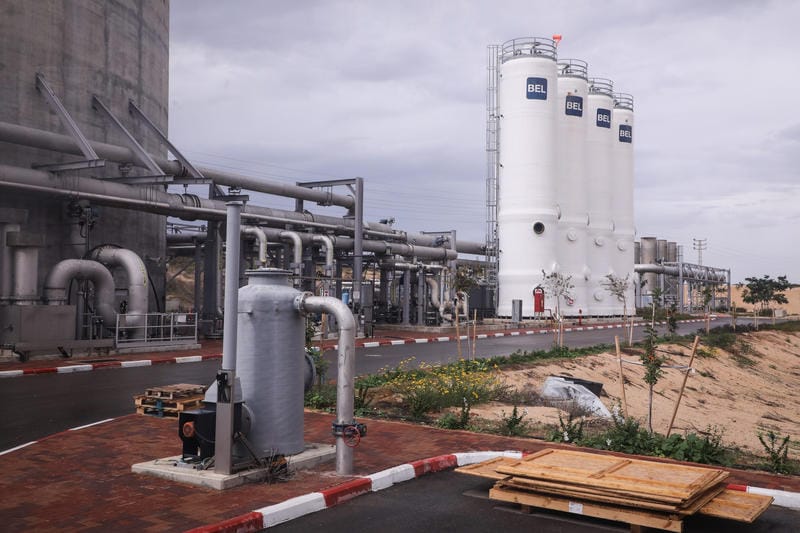
When water temperatures rise and seas become saturated with agricultural fertilizer runoff, these microorganisms multiply at accelerated rates, flooding the water. Beyond damaging marine ecosystems, algae swarms easily penetrate filtration systems and threaten to clog and completely disable the delicate membranes that desalination plants rely on.
A Green Menace Below the Surface
What Israel is experiencing as an acute crisis is daily reality in many parts of the world. In the United States, toxic algae blooms in Lake Erie previously forced the complete closure of drinking water intake, leaving hundreds of thousands of residents in Toledo, Ohio without tap water.
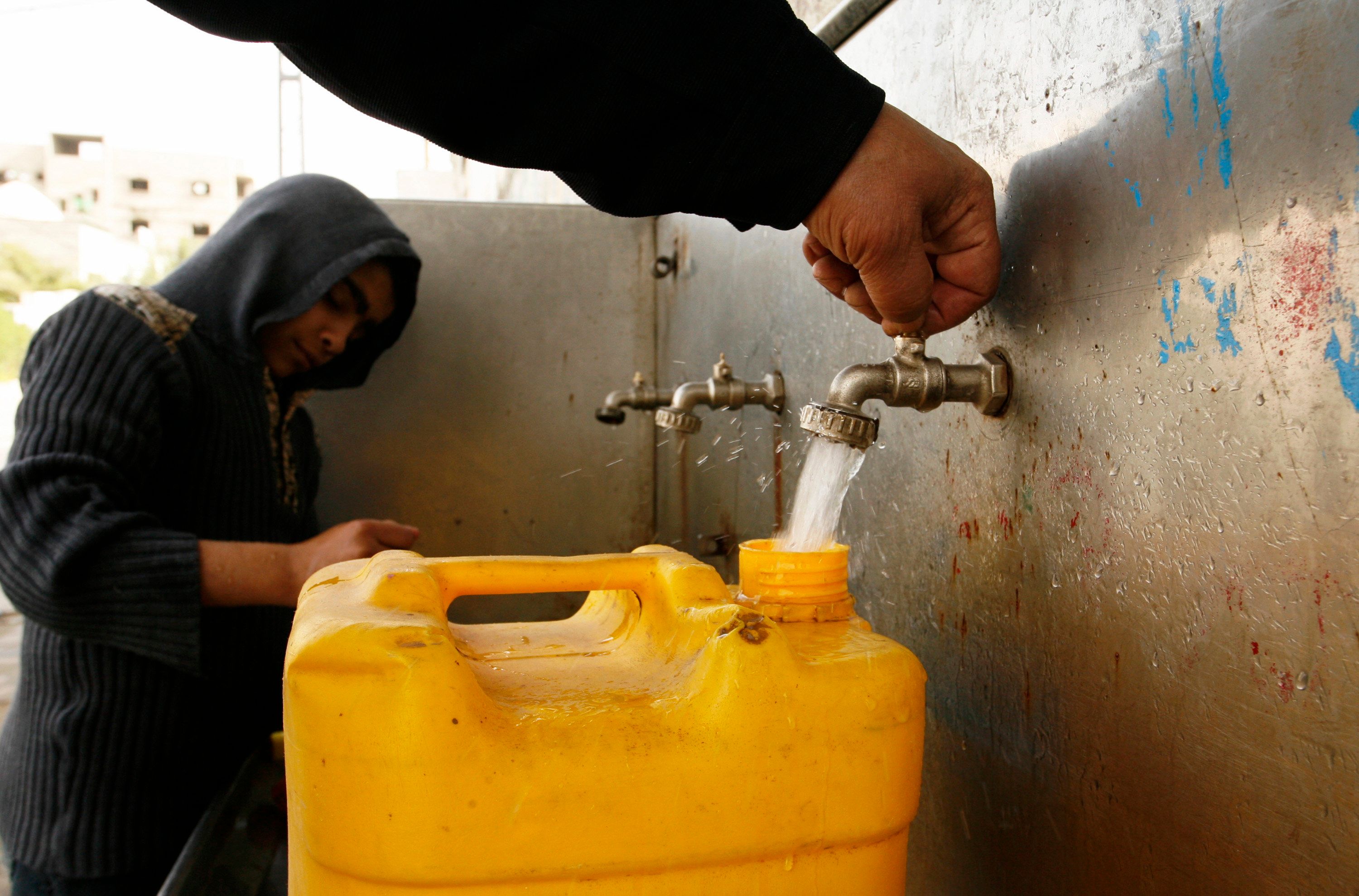
Gulf states, which depend almost entirely on desalination for their water supply, routinely contend with "red tide" events—massive algal blooms that force large-scale facilities to shut down immediately to prevent damage to sensitive equipment and the infiltration of toxins into water filters. Global climate change, which is raising ocean temperatures, is transforming these blooms from occasional natural events into a persistent strategic threat to the food and water security of entire nations.
Air Bubbles and Cyber Defenses
To combat the threat, countries have already adopted advanced technological solutions for "pre-treatment" of seawater. One widely recommended method involves injecting coagulant chemicals into the water and streaming millions of air bubbles that attach to the algae, floating them as a single mass to the surface where they can be collected before reaching sensitive water facilities. In Israel, where approximately 80% of drinking water comes from desalination, recent years have focused primarily on preparing for emergency scenarios involving cyberattacks, missile strikes, and oil or chemical contamination.
The current water crisis has demonstrated that the environmental challenges of the 21st century are no less dangerous, and that ensuring continued water flow requires the country to deploy robust technological countermeasures against the green algae threat.