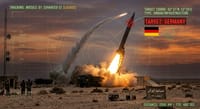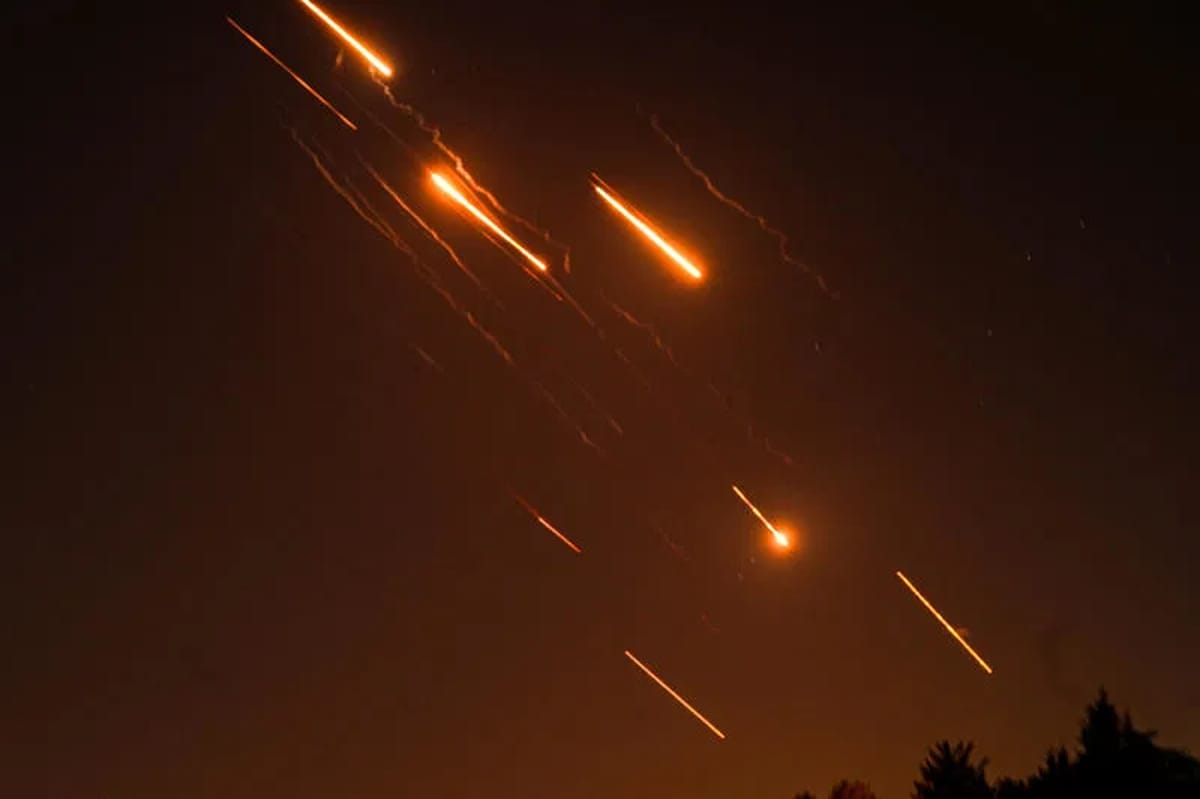
The national security apparatus completed an extensive tactical assessment following highly publicized declarations regarding potential overnight missile strikes directed at sovereign territory. Intelligence monitoring divisions reported that as of the late evening hours, surveillance sensors had not identified concrete operational preparations or active warhead fueling at suspected launch positions. The evaluation brought together senior commanders to analyze various deployment vectors, with strategic units focusing on multi layered defensive readiness across all regional sectors.
According to data compiled by intelligence assessment teams, planners are weighing a highly probable scenario where the primary strike assets are diverted away from central domestic targets. Analysts suggest that external military planners may prefer to avoid an immediate direct escalation, electing instead to utilize precision assets against strategic infrastructure located throughout the Persian Gulf and near international logistics bases deployed in adjacent territories. This prospective shift indicates an intention to apply pressure on global trade networks while testing regional defensive frameworks.
Simultaneously, the Home Front Command finalized a thorough review of domestic defense parameters, electing to maintain all existing safety instructions and shielding regulations without further modification. The current protective guidelines, which dictate gathering protocols and academic facility operations, were formally extended until Monday evening at 20:00. Security managers reiterated their standard appeal to the civilian population, requesting sustained vigilance, strict adherence to life saving directives, and close tracking of official digital distribution frequencies.
The defensive discussions took place amidst an intense escalation of hostile rhetoric from political figures in the Iranian capital, where legislative leader Mohammad Baqer Qalibaf published a sequence of public statements asserting that his government maintains zero commitment to current diplomatic frameworks. The parliamentary leader stated that his administration does not anchor its strategy to truce agreements and places no faith in international mediation, claiming that regional adversaries only comprehend the language of direct force. He further claimed that foreign superpowers had granted explicit approval for recent precision strikes, warning that his forces maintain an open hand to initiate hostilities.
High ranking political figures emphasized that any attempt to execute a strike would trigger an immediate, overwhelming response capable of completely altering current operational boundaries. The political cabinet has already approved contingent launch orders for strategic assets, ensuring that defensive systems can transition to offensive maneuvers within minutes of an initial detection. The heightened alert status across all military echelons reflects the seriousness with which defense planners view the current rhetorical escalation.