Get our mobile app
Download on the App StoreGet it on Google Play

Water Crisis

Pesticide Drop in Med Without Notice

Chemicals sprayed from aircraft near Ashkelon beaches to combat algae bloom that disrupted desalination plants. Health Ministry now recommends fishing ban amid toxicity concerns, though officials insist beaches remain safe.

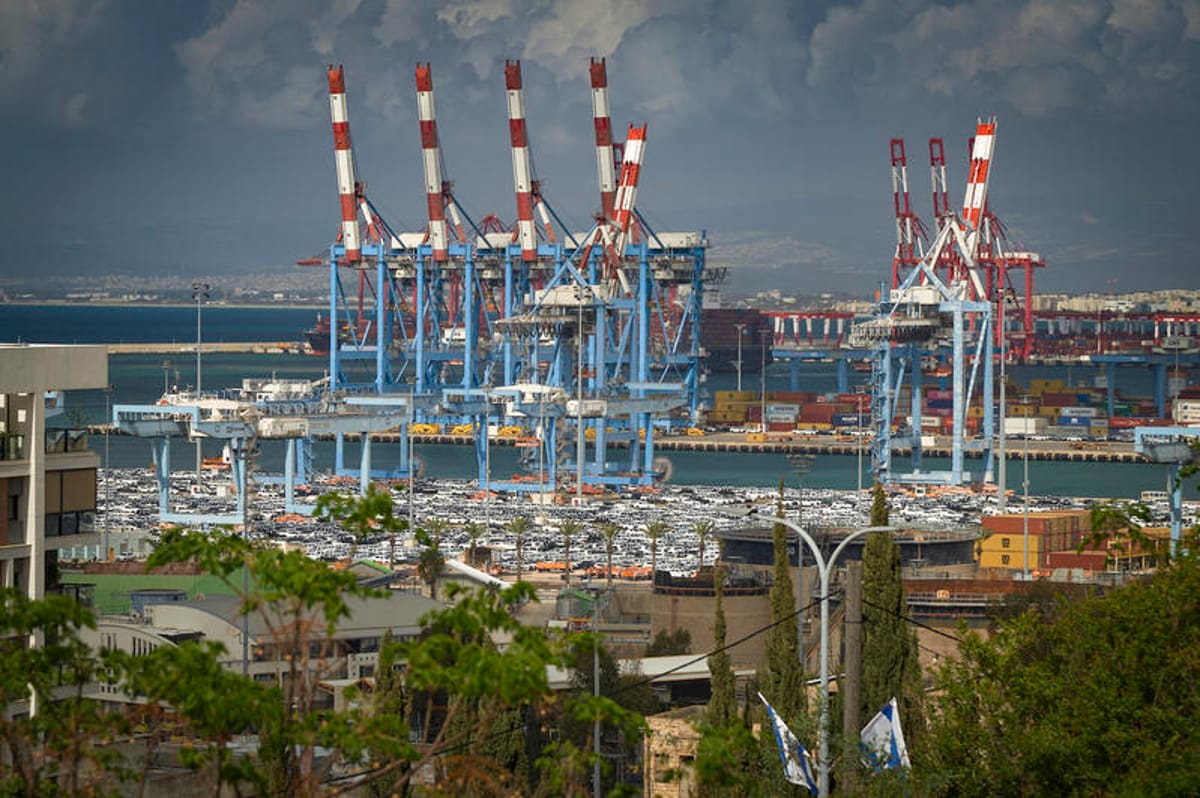
Sea Port

Israel's Water Authority carried out an unusual aerial operation to combat a massive algae bloom in the Mediterranean Sea, spraying chemical pesticides from aircraft just one kilometer off the coast of Ashkelon, according to a report Thursday on Israel's Channel 13 News.

Reporter Matan Chodorov revealed that the operation was conducted by a plane from the company Kimnir along a nine-kilometer stretch of coastline, in close proximity to Zikim Beach, which is designated for public swimming. The Water Authority undertook the measure to eliminate the extensive algae outbreak that has caused severe disruptions and partial shutdowns of desalination facilities along Israel's coast in recent days. However, the entire operation was carried out without advance notification to relevant professional authorities and without any public warning or announcement from the Water Authority.

The experimental treatment involved deploying a mixture of three chemical compounds: copper sulfate pentahydrate, aluminum sulfate, and sodium percarbonate, according to the report. Direct contact with these substances can cause serious health damage, particularly to the eyes. Testing revealed that in some instances, the chemicals were applied at concentrations 27 times higher than permitted standards.

Following disclosure of the operation, the Health Ministry is urgently examining the spraying's effects and has issued a recommendation to impose an immediate fishing ban in the area. Ministry officials are demanding enforcement of the fishing prohibition within the treatment radius and in the buffer zone extending one kilometer from shore. Experts note that the sea's water currents are highly dynamic, and precise information about the specific algae strains that have spread is lacking.

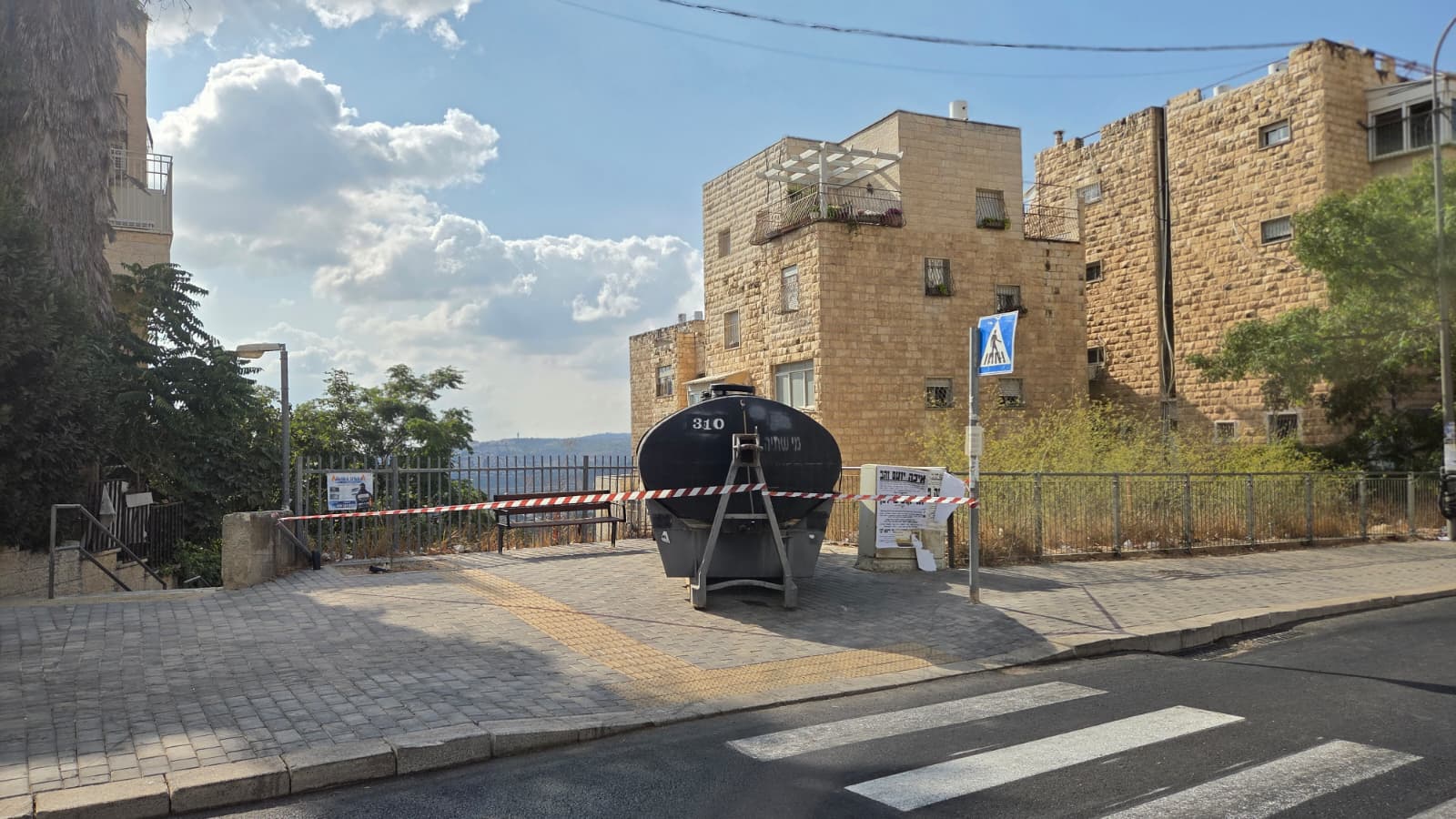
Water distribution facilities in Jerusalem
Water distribution facilities in Jerusalem (Haredim Jerusalem)

Among the concerns is the possibility that the algae strains pose direct danger to humans by containing cyanotoxins, which can cause liver damage and severe irritation. Consequently, the Health Ministry recommends extending the fishing ban until laboratory results from monitoring fish tissue indicate a return to normal conditions. Additionally, officials noted that routine testing of beach water is only bacteriological and does not substitute for the dedicated chemical sampling required in an incident of this nature.

In contrast, the Energy Ministry and Water Authority reject claims of danger and are projecting calm. In an official response, they stated that no substance endangering public health is present and that beaches are completely safe for use. According to their statement, the Levies Committee, which includes representatives from the Health Ministry and Agriculture Ministry, approved the use of these materials in advance. The chemicals are also approved for treating drinking water and pose no threat to the marine environment, they said.

Water distribution facilities in Jerusalem
Water distribution facilities in Jerusalem (Haredim Jerusalem)

Meanwhile, updated satellite imagery from this morning shows no improvement in the algae spread across the Mediterranean. Expert assessments indicate the algae will continue spreading northward and reach the Haifa coast within the next two days, potentially threatening the Hadera desalination plant's operations as well.

Despite the concerns, following a situation assessment held by Energy Minister Eli Cohen with water sector officials, it was reported that the water system is operating normally. The Water Authority clarified that the Sorek A desalination plant has already returned to operation, while pumping from wells and the Sea of Galilee (Kinneret) has been increased to fill reservoirs and ensure continuous water supply to all households and agriculture throughout Israel.

The current algae crisis adds to a series of water supply disruptions recorded in recent days across several regions, with residents in Jerusalem and other areas reporting prolonged water outages. The central question now is whether the unusual aerial spraying operation will succeed in resolving the crisis, or whether it may create additional problems that have not yet fully emerged.

Ready for more?

Join our newsletter to receive updates on new articles and exclusive content.

We respect your privacy and will never share your information.

Enjoyed this article?

Yes (2)
No (0)
Follow Us:

Unmissable content


Loading comments...

Also of Interest