The internal debate within Iran’s conservative establishment over whether to pursue a nuclear weapon has broken into the public eye. Driven by the ongoing war against the United States and Israel, hardline factions are increasingly vocal in their demands for a formal shift in the country's nuclear doctrine.
According to a report by Reuters, citing senior Iranian sources, the strategic landscape in Tehran shifted dramatically following the assassination of Supreme Leader Ali Khamenei on February 28, at the onset of the conflict. In the power vacuum, the Islamic Revolutionary Guard Corps (IRGC) has consolidated influence, bringing "hawkish" nuclear stances to the forefront of the national conversation.
While the report clarifies that no official decision has been made to produce a bomb or abandon the current doctrine, the internal consensus is fracturing. One source noted that significant elements within the establishment are now questioning the utility of restraint, arguing that the Republic no longer benefits from its current policy.
A major flashpoint in this debate is Iran’s membership in the Non-Proliferation Treaty (NPT).
- State Media Calls: The Tasnim News Agency, which is closely affiliated with the IRGC, recently published an article urging the government to withdraw from the NPT as soon as possible while maintaining a civilian program.
- Political Pressure: Conservative politician Mohammad Javad Larijani, brother of the recently assassinated official Ali Larijani, has called for a committee to evaluate the treaty's benefits. "If there is no benefit, there is no reason to remain," Larijani told state media.
- Public Sentiment: Earlier this month, state television aired commentary suggesting that the Iranian public now expects a "clear action" - either building a nuclear weapon or acquiring one through other means.
The debate also centers on the survival of the Islamic Republic. IRGC commanders have previously warned that if the state's existence is threatened, the doctrine must change. For many in the leadership, the current war meets that threshold.
In addition, the status of the famous religious decree (fatwa) attributed to Khamenei, which forbids nuclear weapons, is now in question. The decree, while frequently cited by diplomats since the early 2000s, was never issued as a formal written document. With the leadership transitioning to his son, Mojtaba Khamenei, it remains unclear if the new administration will feel bound by an unwritten mandate from a previous era.
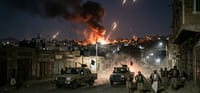
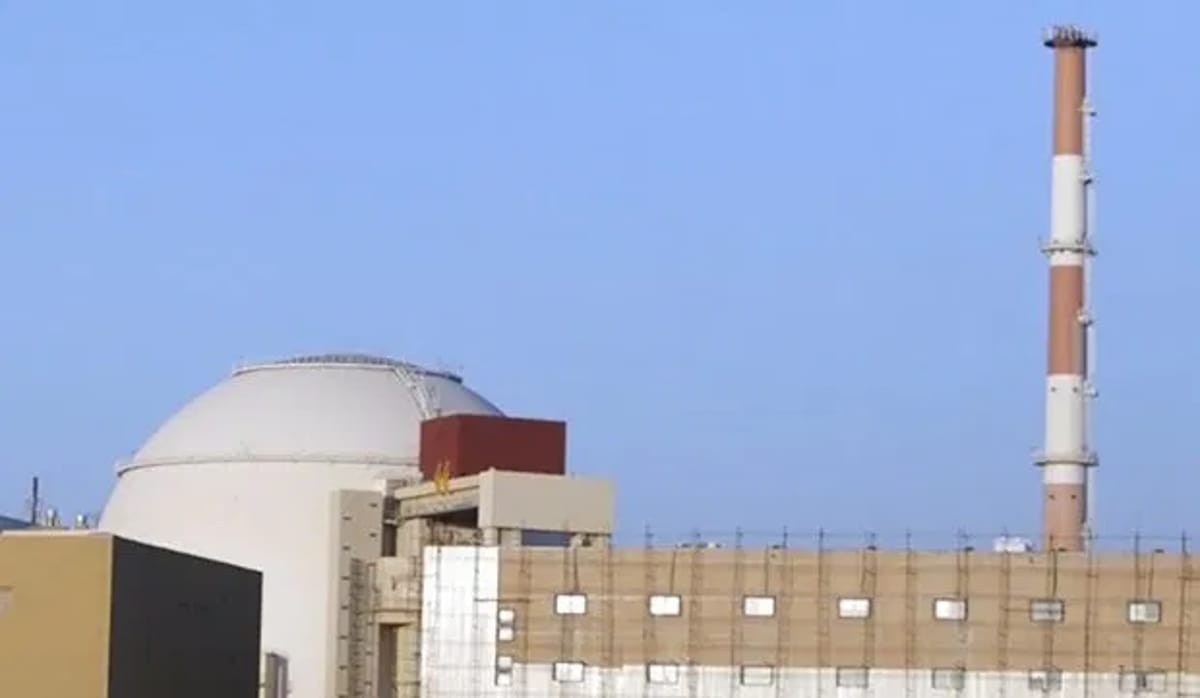
Despite the political will, Iran’s path to a weapon remains physically obstructed. Weeks of targeted aerial strikes by the U.S. and Israel have severely damaged nuclear facilities, missile sites, and scientific infrastructure.
While Israel has warned for years that Iran is only "months away" from breakout capacity due to high enrichment levels, analysts believe the current goal may still be "nuclear threshold" status, having all the components ready to assemble a weapon quickly without officially crossing the line, unless the threat to the regime becomes absolute.